Discover simple steps to start saving for your child’s education. Explore savings options and grow your funds over time.

Simple Steps to Start Saving for Your Child’s Education
Key Takeaways
- Saving early for your child’s education can make higher education more affordable.
- A variety of savings options and government incentives may be available to families.
- Understanding account features and eligibility rules helps you maximize potential benefits.
- Small, regular contributions often grow substantially with time and compound interest.
Table of Contents
- What Is an Education Savings Plan?
- Why Start Early? The Benefits of Starting to Save for Education Now
- Choosing the Right Plan: Key Features to Consider
- Step-by-Step: How to Open an Education Savings Account
- Common Misconceptions and How to Avoid Them
- Tips for Growing Educational Savings Over Time
- Government Incentives and Matching Grants Explained
- What to Do If Financial Circumstances Change
- Final Thoughts: Setting Your Child Up for Success
What Is an Education Savings Plan?
Education savings plans are specialty accounts designed to help families prepare for their children’s post-secondary expenses. These plans, such as Registered Education Savings Plans (RESPs) in Canada, provide tax-advantaged ways to accumulate funds over time. They let parents, guardians, or even grandparents make contributions, which are then invested and grow tax-free until they are needed for education costs.
Standard features of education savings accounts include varying contribution limits, a range of qualified providers, and specific withdrawal rules that ensure the money is used for recognized educational purposes. Understanding these features is crucial for families considering opening an RESP to make the most of government incentives and flexible savings options.
Why Start Early? The Benefits of Starting to Save for Education Now
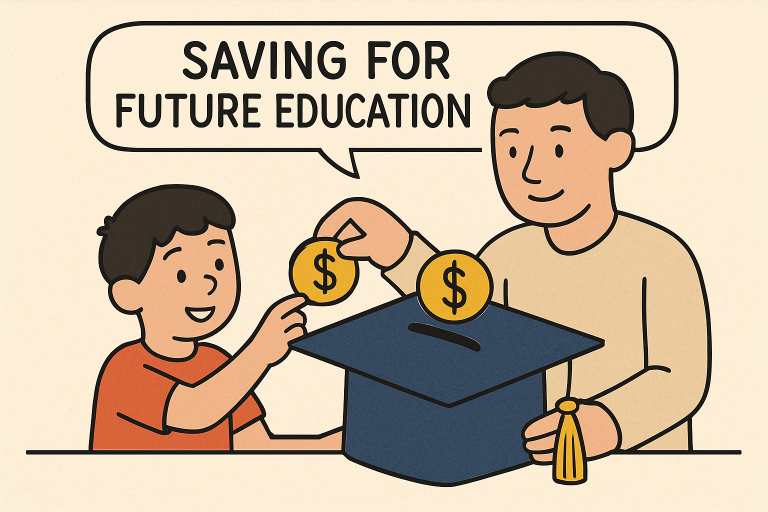
Beginning your child’s education savings journey as early as possible has significant advantages. The earlier you start, the more you can leverage the power of compound growth—a process where earnings generate profits over time. Even modest monthly contributions can transform into substantial funds when your child is ready for higher education.
Moreover, with tuition fees steadily rising, proactive planning is vital. According to Statistics Canada, the average cost of undergraduate tuition in Canada has increased over recent years, with variability depending on the program and location. Factoring in annual growth rates, waiting even a few years to start saving can mean a significant shortfall when your child is college-bound.
Choosing the Right Plan: Key Features to Consider
Selecting the best education savings plan for your family involves more than comparing investment returns. Consider contribution limits—some accounts cap how much you can deposit each year or over the plan’s lifetime. Assess the availability of government grants and matching programs to boost your savings without extra cost. You should also evaluate account flexibility, such as how easy it is to pause contributions, change beneficiaries, or access funds if plans change.
Withdrawal rules are another crucial feature. Some plans offer more flexible options for withdrawing savings for various educational paths, while others are more restrictive. Carefully reviewing these details ensures you choose an account that fits your unique circumstances.
Step-by-Step: How to Open an Education Savings Account
Opening an education savings account may seem daunting, but the process is straightforward if you take it step by step. First, gather essential documents, including your child’s Social Insurance Number (SIN), proof of identity, and your own financial details. Next, research and select a reputable plan provider—banks, credit unions, or dedicated financial service firms all offer education savings products.
When applying, you’ll fill out an application form, submit your documentation, and make decisions about contribution frequency and investment options. Once approved, you can set up automatic contributions for convenience. Many account providers offer online tools to help you manage your plan and track savings progress.
Common Misconceptions and How to Avoid Them
Numerous myths about education savings accounts prevent families from getting started. Some believe you need a large initial deposit or worry that your income is too low to qualify, which is not the case. Many plans, including RESPs, have no minimum contributions, allowing families to tailor savings to their budgets.
Concerns about losing access to funds if the child doesn’t attend post-secondary school are also common. Most plans offer flexible withdrawal rules, so your investment can still be redirected or transferred if circumstances change. For further clarity, see this resource from the Government of Canada that dispels widespread misconceptions and provides clear facts about education savings accounts.
Tips for Growing Educational Savings Over Time
Consistency is key to growing an education fund. Set up automatic monthly contributions to ensure you stay on track, no matter how busy life gets. Many employers, government programs, and extended family members support education savings through contribution matching or gift programs—maximize these opportunities where possible.
Consider special occasions like birthdays or holidays for relatives to contribute to your child’s fund. Small, frequent deposits from multiple sources can add up quickly, and many plans allow for flexible contribution arrangements. Making saving a family effort benefits everyone involved.
Government Incentives and Matching Grants Explained
One of the most attractive features of accounts like the RESP is access to government grants. In Canada, families can benefit from the Canada Education Savings Grant (CESG), which matches a percentage of yearly contributions up to a set max, and the Canada Learning Bond (CLB), which provides additional contributions for eligible low-income families. These programs can significantly increase your savings with no extra cost to you.
Additionally, investment earnings within an RESP are tax-sheltered until withdrawal, when payments are taxed in the student’s name—usually at a much lower rate. To maximize these government incentives, contribute early in the year, stay within annual limits, and keep up-to-date with program rules, as eligibility can change.
What to Do If Financial Circumstances Change
Unexpected changes in family finances can disrupt even the best-laid savings plans. Most education savings accounts, including RESPs, are designed with flexibility in mind. If necessary, you can decrease or pause contributions temporarily without penalty. Some plans let you carry forward unused contribution room, so you can catch up when your situation improves.
If educational prospects change (for example, your child doesn’t attend post-secondary school), most accounts allow transferring funds to another eligible child or a retirement account under certain conditions. It is important to review your plan’s terms to understand the implications of making changes.
Final Thoughts: Setting Your Child Up for Success
Starting an education savings plan is a proactive way to set your child up for long-term success. Open communication with your child about the importance of education and saving can encourage responsible financial habits for years to come. It’s never too early—or too late—to begin saving; even small contributions can make a significant difference over time.
By exploring your options, sticking to a plan, and using available resources, you can remove much of the stress associated with future education costs. Whether you’re just considering opening an RESP or want to make the most of a current plan, taking small and consistent steps today can help give your child a bright educational future.
Leave A Reply!