Make school trips easy with simple planning tips. Learn how moms can help with checklists, safety, and communication.
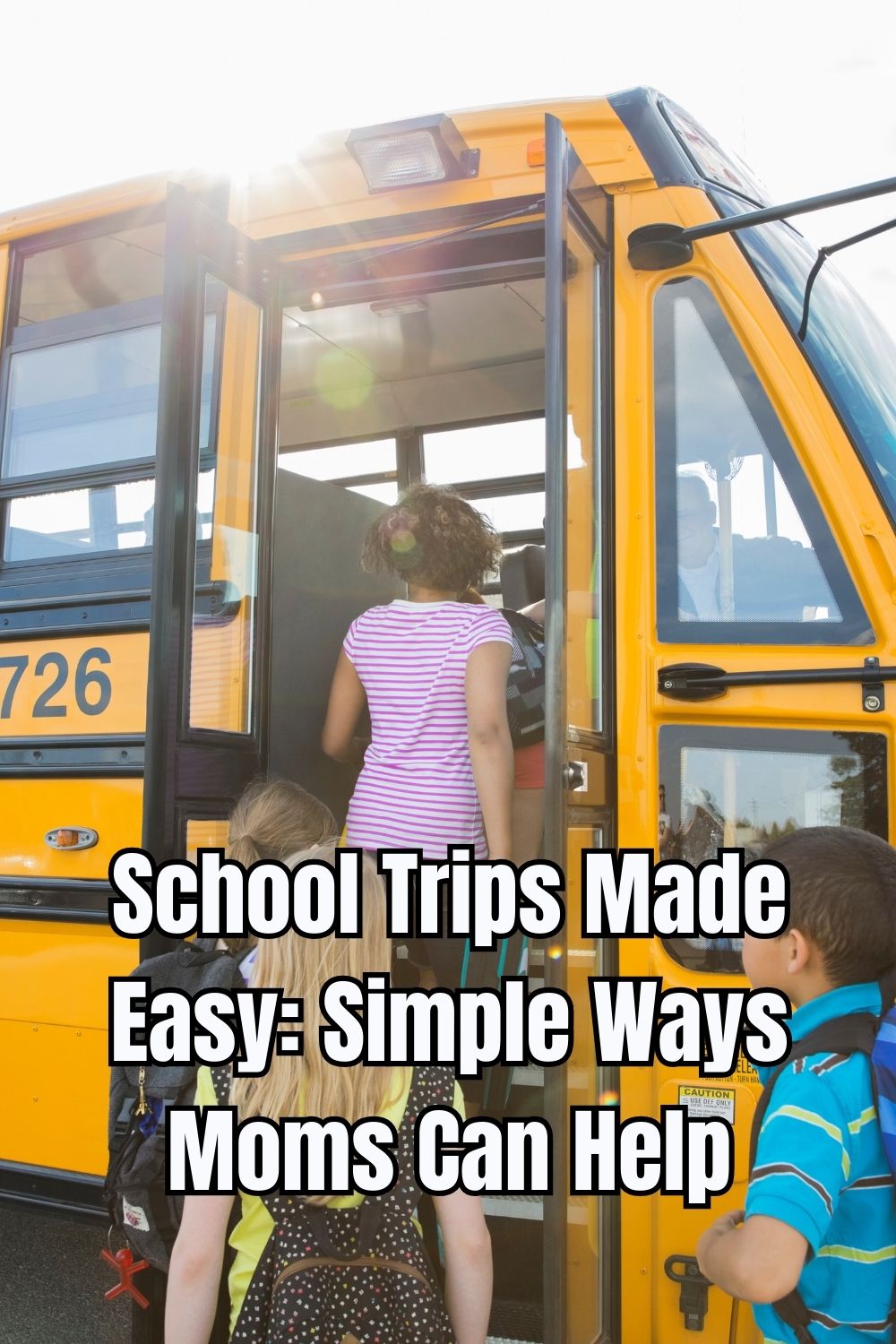
School Trips Made Easy: Simple Ways Moms Can Help
School trips don’t have to be stressful. With a little structure, a few shared checklists, and clear roles, you can help the teacher pull off a smooth day out that kids will remember for years.
This guide breaks the job into small steps you can handle between school drop-offs. It covers timing, transport, safety, packing, and communication, so everyone knows what to do and when.
Plan Around The School Calendar
Start by checking the term dates, pupil-free days, and assessment windows before you suggest any trip dates. Talk to the teacher about curriculum links, then build a simple timeline that works backwards from the outing.
Aim to avoid the first and last week of term, when routines are unsettled. Week 3 to Week 7 often gives you the best mix of class energy and teacher availability for younger students.
A Queensland Education calendar notes there are 195 school days in 2026, with Semester 1 starting on 27 January, so lock dates early to secure buses and venues before the rush.
Lock In Safe, Legal Transport
You do not need to own a minibus to keep things simple. Many mums coordinate quotes and routes using transport in the Gold Coast, then share options with the teacher so the school can approve the final choice. It keeps planning tidy and transparent while giving families confidence about how the class will travel.
When comparing providers, ask for written confirmation of seat numbers, seatbelt availability, and luggage space. Check pickup and drop-off windows against school bell times to avoid late returns.
If a venue is across town at peak hour, build in buffer time. A 15 to 20 minute margin helps for toilet breaks, traffic, or a slower boarding process with little ones.
Check Operator Accreditation And Insurance
Safety is everyone’s job, so do a basic compliance check before the school signs. Ask the provider to confirm their accreditation number and public liability cover in writing and keep it with the excursion pack. Queensland’s passenger transport rules require public passenger operators to be accredited and to maintain an incident management plan, which helps schools respond quickly if plans change on the day. A quick email request for these details usually gets a fast reply.
Confirm driver working-with-children clearances via the provider. Keep copies of licenses and accreditations in a shared folder so the school office can file them with permission notes.
Keep Kids Safe Around Pick-Up Zones
The bus bay can be the trickiest spot. Assign adults to a simple flow: one at the classroom door, one at the gate, and two at the bus steps to count students on and off.
Make safety visible. High-visibility vests for volunteers and a handheld clipboard checklist calm the mood and keep kids focused on instructions. Remind adults to model slow walking and quiet voices around vehicles.
Local reporting has shown police blitzes catching drivers speeding through school zones, including cases well above the 40 km/h limit. Share a friendly reminder in the class chat about road rules and allow extra time so no one feels rushed near the curb.
Prep Kids And Pack Smart
Give families a short, clear packing note 1 week out, then a reminder the day before. Label everything and keep it light so kids can carry their own gear without help. Consider a one-page list parents can stick on the fridge. Aim for the basics and avoid last-minute shopping. Teachers appreciate simple, uniform packing that makes headcounts and bus loading faster.
- Hat, sunscreen, closed shoes.
- Full water bottle and small lunchbox.
- Light jumper, compact rain jacket.
- Any meds in a zip bag with instructions.
- $0 cash unless the teacher has approved spending.
Communicate, Volunteer, And Debrief
Create one primary channel for updates. A class app post or email thread works better than scattered texts. Put the key facts at the top: date, times, route, cost, uniform, and contact on the day. Invite volunteers early with clear roles and time blocks. Some parents can only help for an hour at departure or return, which still makes a big difference. Match tasks to comfort levels so everyone feels useful.
After the trip, share a short debrief. What went well, what to tweak, and any notes for next time. A 10-minute chat or a quick survey means your next excursion will be even smoother.
Small steps add up when parents and teachers work as a team. With clear dates, safe transport, and calm routines, school trips become happy learning days instead of headaches.
Your planning notes from this trip will be gold for the next one. Save your checklists, contact details, and run sheet so the next crew can pick up the folder and roll.
Leave A Reply!