Learn essential tips for Saving for Your Child’s Future: What Families Need to Know about early planning and savings options.

Saving for Your Child’s Future: What Families Need to Know
Table of Contents
- Understanding the Costs
- Starting Early
- Exploring Savings Options
- Leveraging Tax-Advantaged Accounts
- Involving Family and Friends
- Teaching Financial Literacy
- Regularly Reviewing and Adjusting
- Seeking Professional Advice
Ensuring a secure financial future for your child is one of the biggest responsibilities parents and guardians face today. With tuition fees, living costs, and unexpected expenses steadily increasing, thoughtful planning today can shape stronger opportunities tomorrow. Starting early and choosing suitable savings options allows families to build a stable foundation for their child’s academic goals.
Many families begin by researching trusted Canada RESP Providers, since comparing plans, grant eligibility, and contribution flexibility can make a meaningful difference over time. One commonly considered option is opening an account with Embark, which helps parents grow education savings while accessing available government grants and incentives.
Taking small steps now creates opportunities down the road and relieves potential financial stress. Understanding how different accounts work, involving loved ones in your child’s saving journey, and making financial literacy part of your child’s education are all impactful ways to help them thrive. In addition to these important actions, staying informed about current trends in education costs is critical in today’s economy.
Understanding the Costs
The financial realities your child may face in the future are significant. For instance, the average cost of a four-year college degree at an in-state public institution in North America can reach or exceed $120,000 when accounting for tuition, books, supplies, and living expenses. These costs have continued to climb, making it even more important to plan for both expected and unexpected expenses. Factoring in inflation and potential lifestyle needs, families benefit by setting concrete savings targets that align with their goals.
Starting Early
When it comes to saving, time is one of the most powerful tools you have. Beginning contributions as soon as your child is born allows your funds to benefit from compound interest, where growth is earned not only on your original contributions but also on the interest that money has already accumulated. Even modest, consistent savings—started early—can snowball into a sizable nest egg when your child is ready for university, trade school, or other major life milestones. Early saving also helps families manage contributions in amounts they can handle without strain.
Exploring Savings Options
Families have a range of effective ways to save for their child’s future, each offering distinct features and advantages:
- 529 Plans: U.S.-based accounts that allow tax-free growth and withdrawals for qualifying education expenses. Many states provide tax deductions or other incentives for contributions.
- Registered Education Savings Plans (RESPs): In Canada, RESPs are popular thanks to government grants like the Canada Education Savings Grant, tax-sheltered savings, and flexible options for postsecondary education funding. More information can be found on the Canada Revenue Agency’s RESP page.
- Custodial Accounts (UGMA/UTMA): These accounts let parents or guardians hold and invest money for a child that can be used for broader purposes beyond just education.
- High-Yield Savings Accounts: Regular savings accounts provide accessible, low-risk savings, though returns may be limited in comparison with investment-based plans.
Understanding the differences, including flexibility, control, contribution limits, and tax consequences, is essential when picking the right fit for your family.
Leveraging Tax-Advantaged Accounts
Tax-advantaged accounts are specifically structured to help families maximize the growth of their contributions. For Canadian families, recent expansions, such as those introduced by the One Big Beautiful Bill Act in 2025, have further increased the benefits of 529 accounts, making it possible to contribute higher amounts and use funds in more ways. Tax-free growth, government grants, and strategic withdrawals give savers additional flexibility and power. In the United States, 529 plans and Coverdell ESAs serve similar purposes for postsecondary education savings. Reviewing each program’s latest updates keeps your savings on track and capitalizes on new opportunities.
Involving Family and Friends
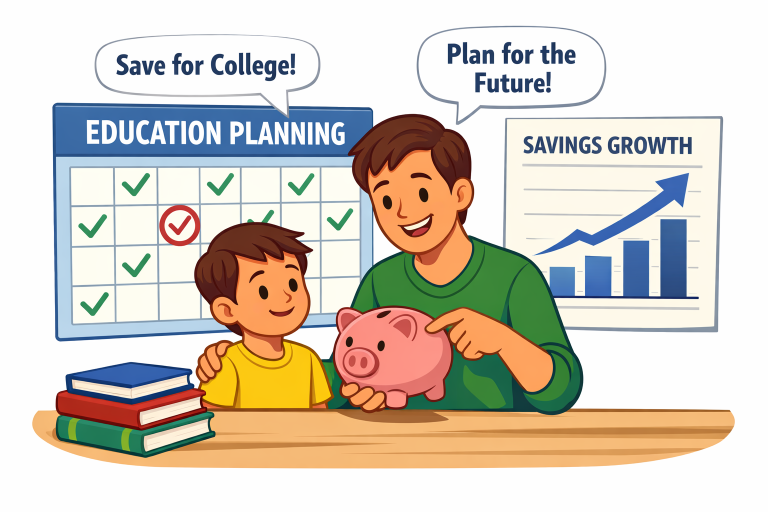
Encouraging grandparents, relatives, and even close friends to contribute to your child’s education savings plan can significantly speed up its growth. Some plans allow multiple contributors, making it simple for loved ones to participate. Birthdays, holidays, and milestone celebrations offer opportunities for meaningful, long-lasting gifts that help secure your child’s future. Open communication with family about your goals makes it easier to coordinate contributions and helps everyone share in your child’s success.
Teaching Financial Literacy
Saving diligently is important, but teaching children about the value of money and basic financial skills is every bit as valuable. Introducing budgeting, needs versus wants, the basics of credit, and understanding interest at an early age can foster lifelong good habits. As children grow, more complex lessons like investing, debt management, and goal-oriented saving can be taught, empowering them to make confident financial choices as adults. Resources from nonprofits and educational institutions, such as the National Endowment for Financial Education, can offer practical, age-appropriate activities and lessons.
Regularly Reviewing and Adjusting
Sometimes life changes require you to adjust your savings strategy. Reviewing your plan annually (or after any major changes in income, family circumstances, or your child’s aspirations) ensures your contributions stay on pace with your goals. Slow economic periods or unexpected windfalls might mean reducing or increasing the amounts you save. Rebalancing investments as your child nears the age when funds will be needed can help protect what you have already built, adjusting to a more conservative approach if necessary.
Seeking Professional Advice
Managing your child’s future savings can sometimes feel overwhelming, especially given the many accounts and strategies available. Financial advisors have the expertise to personalize advice based on your unique situation, risk tolerance, and goals. They stay informed about policy changes and can help you navigate government programs and tax strategies to maximize your child’s education fund.
By understanding the long-term costs, leveraging the power of early saving, exploring the best options, tapping into government incentives, involving your network, building financial literacy skills, and regularly updating your plan, you can shape a brighter, more secure future for your child.
Leave A Reply!