Explore the importance of rethinking traditional teaching models for better student outcomes and enhanced learning experiences.
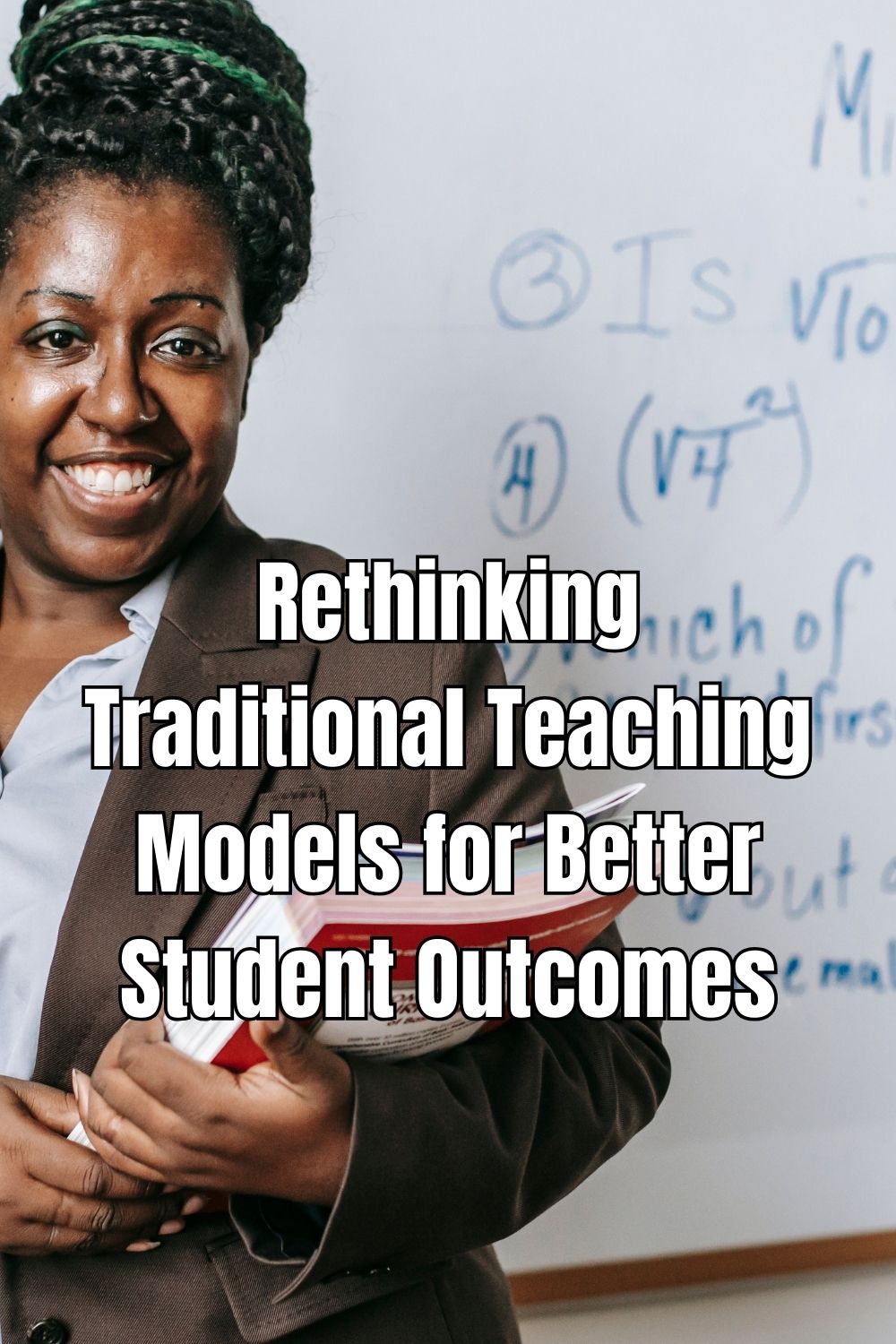
Rethinking Traditional Teaching Models for Better Student Outcomes
Education has long relied on familiar classroom structures, fixed schedules, and one-way delivery of information. These traditional teaching models were built with good intentions, yet many learners struggle to connect with them in meaningful ways. As student needs become more diverse and learning environments continue to change, educators are reexamining how teaching can better support understanding, motivation, and personal growth.
Rethinking traditional teaching models is not about rejecting the past but about adapting methods so learning feels relevant, inclusive, and effective for today’s students. When teaching aligns more closely with how students learn, outcomes improve in both academic achievement and personal development.
The Expanding Role of Higher Education
Higher education shapes how teaching methods are formed and carried into practice. Universities and colleges are where future educators learn how instruction affects attention, understanding, and student response. The models used in these settings often influence how learning is structured in classrooms, training environments, and professional education.
Many institutions now move away from lecture-driven instruction and emphasize participation and applied learning. Students are encouraged to engage with material through discussion, guided practice, and reflection rather than passive listening. This shift helps learners develop a clearer understanding of how knowledge is used, not just remembered.
Applied Behavior Analysis programs examine how instructional structure influences learning behavior and student engagement. This perspective supports teaching approaches that are intentional and responsive to how students interact with content. When higher education adopts such practices, it demonstrates how instruction can be adjusted to meet learner needs while maintaining clear expectations.
Limitations of Traditional Teaching Approaches
Traditional teaching often places the teacher at the center of the learning process, with students expected to listen, memorize, and repeat information. While this approach can work for some learners, it does not always support deeper understanding or long-term engagement. Students who learn at different paces or through different styles may feel overlooked or discouraged.
Rigid lesson structures can leave little room for curiosity or exploration. When learning becomes passive, students may struggle to connect new information to real-life experiences. These limitations highlight why many educators are seeking alternatives that allow students to take a more active role in their own learning journey.
Shifting Toward Student-Centered Learning
One of the most important changes in rethinking teaching models is the move toward student-centered learning. This approach focuses on the needs, interests, and strengths of each learner. Instead of delivering the same lesson in the same way to everyone, educators design activities that encourage choice, collaboration, and personal reflection.
Students are invited to ask questions, share ideas, and take ownership of their progress. When learners feel seen and valued, they are more likely to stay engaged and motivated. Student-centered learning also helps build confidence as students practice making decisions and solving problems independently.
The Importance of Active Learning Experiences
Active learning encourages students to participate directly in the learning process rather than simply receiving information. This can include discussions, group projects, hands-on activities, and reflective writing. Through active learning, students explore ideas, test their understanding, and learn from both success and mistakes.
These experiences help learners develop critical thinking skills and deepen their understanding of the subject matter. Active learning also supports communication and teamwork, which are essential skills beyond the classroom. By creating opportunities for interaction and exploration, educators help students connect learning to real-world contexts.
Rethinking Assessment and Feedback
Traditional assessment methods often focus on tests and grades as the primary measure of success. While evaluation is important, relying solely on these methods can limit a student’s ability to demonstrate true understanding. Rethinking assessment means considering a wider range of ways for students to show what they have learned.
Projects, presentations, reflections, and portfolios can provide a more complete picture of student growth. Feedback also plays a crucial role in this process. Constructive feedback that focuses on progress and effort helps students understand how to improve and encourages a growth mindset. When assessment becomes part of learning rather than a final judgment, students feel more supported and engaged.
The Role of Teachers as Facilitators
As teaching models evolve, the role of the teacher shifts from sole authority to learning facilitator. Teachers guide discussions, encourage exploration, and support students as they navigate challenges. This role requires flexibility, empathy, and strong communication skills.
Teachers who act as facilitators create an environment where questions are welcomed, and mistakes are viewed as opportunities for learning. This approach helps build trust and encourages students to take risks in their learning.
Supporting Diverse Learning Needs
Every classroom includes students with different backgrounds, abilities, and learning preferences. Rethinking traditional teaching models involves recognizing and valuing this diversity. Inclusive teaching practices aim to provide multiple ways for students to access information and express their understanding.
This might involve varied instructional methods, flexible pacing, and supportive classroom environments. When educators consider diverse learning needs, they create spaces where all students can succeed. Inclusive practices also promote respect and empathy among students, helping them appreciate different perspectives and experiences.
Encouraging Lifelong Learning Skills
Education is not only about mastering specific subjects but also about developing skills that support lifelong learning. Rethought teaching models emphasize skills such as critical thinking, adaptability, communication, and self-reflection. These skills help students navigate change and continue learning beyond formal education.
Building Meaningful Learning Environments
The environment in which learning takes place has a strong influence on student outcomes. A supportive and engaging learning environment encourages participation and fosters a sense of belonging. Rethinking teaching models includes considering classroom culture, relationships, and emotional safety. When students feel respected and supported, they are more willing to engage and take responsibility for their learning.
Meaningful learning environments are built on trust, clear expectations, and open communication between teachers and students. Rethinking traditional teaching models is an ongoing process that requires reflection, creativity, and commitment.
By focusing on student needs, active learning, inclusive practices, and supportive environments, educators can create experiences that lead to better student outcomes. These changes do not happen overnight, but even small shifts in approach can make a meaningful difference.
Leave A Reply!