Learn about the rise of subtle statement homes that prioritize quiet luxury, focusing on natural tones and thoughtful design elements.
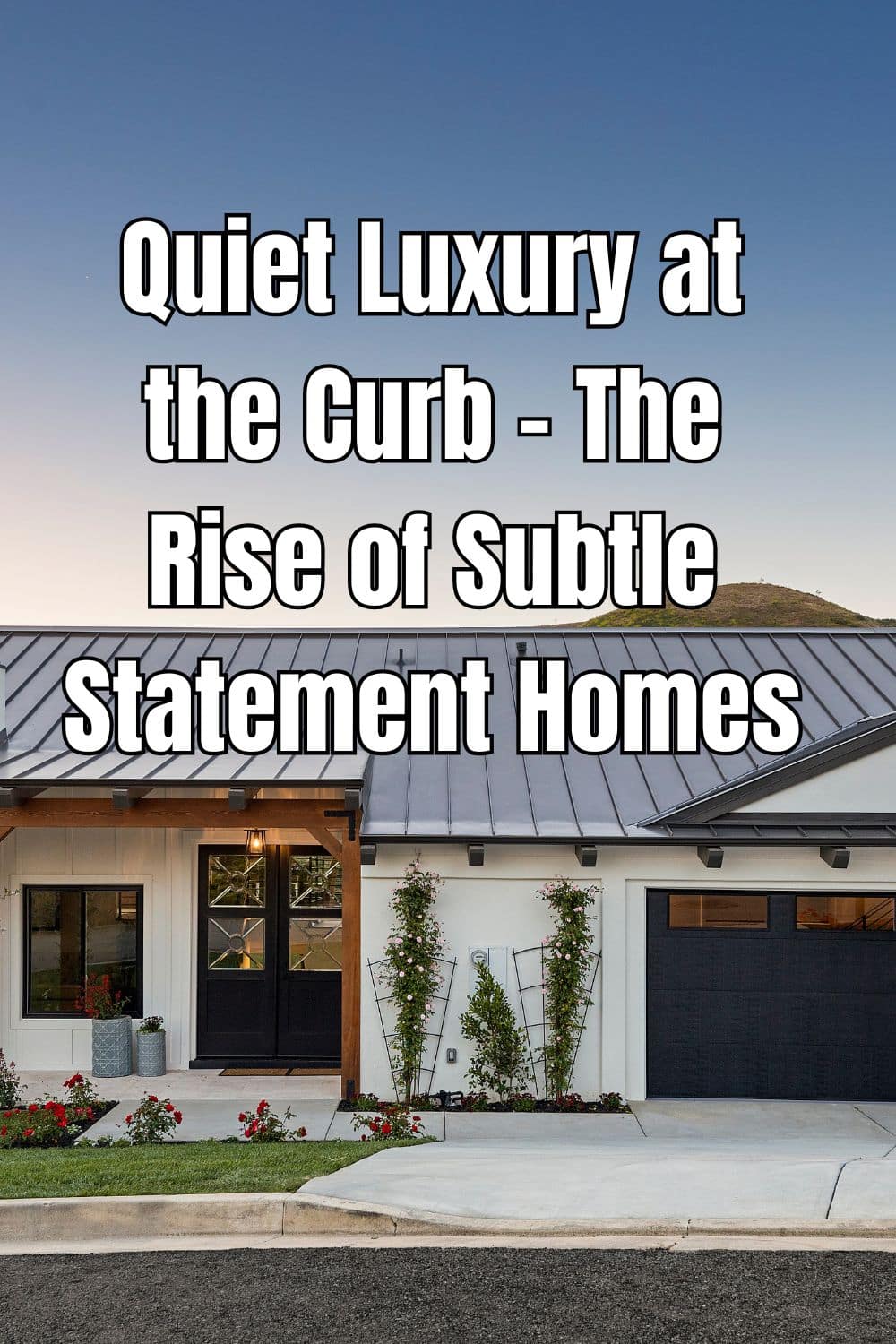
Quiet Luxury at the Curb – The Rise of Subtle Statement Homes
The idea of luxury in home design has changed dramatically. The new face of sophistication is quiet, steady, and rooted in intention. Modern homeowners are choosing materials, tones, and layouts that feel natural rather than loud. They want homes that project confidence through restraint not through glitter or size, but through balance and texture. This direction has shaped a growing design language known as “quiet luxury,” and it’s transforming the way homes look and feel from the curb.
Instead of exteriors fighting for attention, this style leans into calm harmony. Every detail feels deliberate, whether it’s the slope of a roof, the angle of sunlight across a wall, or the tone of the siding that wraps around the structure.
Material Choices That Define a Home
The materials used on a home’s exterior tell a story about how the house is meant to feel. Brick, wood, stone, or fiber cement, each brings a texture and tone that impacts everything. The choice of material often defines whether a home feels approachable, sophisticated, or grounded. Subtle finishes and clean applications have taken the spotlight, replacing ornate facades with something far more genuine. Instead of trying to impress, homeowners are focusing on how their home fits into its environment.
This philosophy can be seen clearly in the work of Warner Exteriors & Solar, whose siding options combine lasting function with modern simplicity. Their approach reflects this new way of thinking, where beauty lies in quiet consistency and craftsmanship. Their siding doesn’t overpower the design but complements it, letting the shape and structure speak. They guide clients by saying explore our siding options so that they can pick those that align with their home’s style.
Shadow, Depth, and Form
One of the defining qualities of quiet luxury is the way light and depth interact on a building’s surface. Instead of relying on bright colors or ornate trim, modern homes now play with form and shadow to create quiet contrast. The gentle change in tone between sunlit and shaded areas adds movement and dimension to an otherwise simple design. Architectural depth, such as recessed windows, slightly varied rooflines, and textured surfaces, creates a flow without noise.
This kind of contrast doesn’t interrupt the design but instead gives it life throughout the day. The visual calm of these homes comes from their ability to change subtly under different lighting conditions.
Earth-Inspired Color Palettes
Color choices play a crucial role in this softer approach to luxury. Homes are now trying colors that feel like they could belong in nature, for instance, muted greens, taupes, stone grays, and creamy whites. Such tones have an effortless quality, helping structures look grounded rather than manufactured. Earth-inspired colors age gracefully, handle weather well, and provide a gentle backdrop for other design elements to shine.
Such color palettes bring a sense of calm and authenticity that’s been missing from years of bold, contrast-heavy design.
Preference for Thoughtful Simplicity
The modern homeowner is looking for peace, not excess. Thoughtful simplicity is guiding home design in a way that prioritizes calmness and usability. Instead of complex facades or decorative features, homes now rely on strong shapes and well-chosen materials.
This simplicity also aligns with how people live today. As lifestyles become busier, homes that offer clarity and comfort are more appealing. The idea is to remove distraction, not personality. Simplicity gives every design choice more meaning, whether that’s a clean roofline, a natural siding tone, or a minimal window arrangement that lets in natural light.
Using Scale to Create Presence
Quiet luxury means understanding scale and knowing where to stop. Proportion gives a home its character, and restraint gives it strength. When every line, height, and surface is considered carefully, the result feels balanced and self-assured. Homes designed with restraint tend to age better because they don’t rely on trends.
The elegance comes from alignment, not exaggeration. A smaller home with well-planned proportions can hold the same visual weight as a large estate because it feels composed.
Texture for Creating Visual Calm
Texture has quietly become one of the most defining parts of modern home design. While color draws attention at first glance, texture is what gives a home depth and personality. It’s the element that makes a house feel tactile and authentic. Smooth stone, brushed metal, matte siding, or soft wood grain all add dimension without creating visual noise.
Designers are increasingly leaning toward texture to add warmth and interest to minimalist exteriors. A slight shift in finish, from rough to smooth or from matte to reflective, changes how light interacts with the surface.
Balance Between Function and Form
The most striking homes today balance how they look with how they live. Every architectural decision is shaped by both appearance and practicality. Roof slopes that guide rainwater, window placements that catch the right amount of light, and materials that withstand the weather are all part of a bigger story.
Instead of choosing materials only for style, they’re thinking about longevity and comfort. The modern ideal of home design values beauty that comes with purpose.
Landscaping Complements Architectural Quietness
Landscaping plays a significant role in how architecture is experienced. Simple pathways, native plants, and structured greenery can elevate the appearance of a home without competing for attention. The relationship between the landscape and the building itself defines how inviting the property feels. When done right, the design of the yard feels like a continuation of the house rather than an afterthought.
More homeowners are choosing minimal, low-maintenance landscaping that mirrors the tone of the home’s architecture. Gentle curves, layered textures, and organic spacing create a sense of flow and calm.
The rise of subtle statement homes shows that true luxury has evolved. Every part of a home, from its siding to its scale, from its texture to its light, contributes to a larger story of quiet refinement. Quiet luxury has become the new way to express taste and care in home design. It’s thoughtful, enduring, and deeply personal, a return to homes that feel as good as they look. Whether through material, proportion, or restraint, this approach celebrates the comfort of simplicity and the beauty of subtlety, proving that calm can be the most potent form of sophistication.
Leave A Reply!