Explore essential oils for warts remover everyone should try. Discover natural solutions for stubborn skin growths.
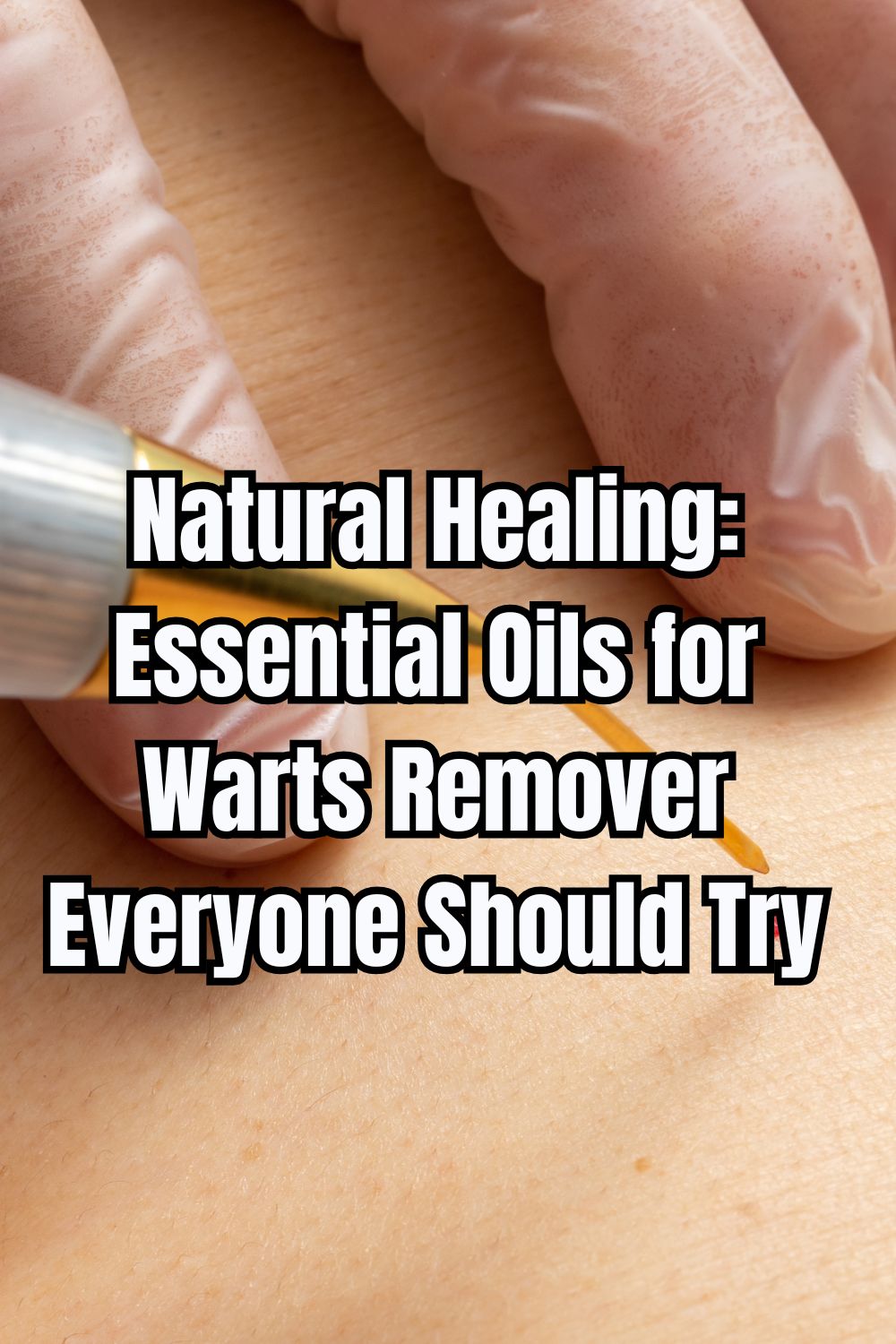
Natural Healing: Essential Oils for Warts Remover Everyone Should Try
Warts are one of those pesky skin issues that appear when you least expect them. They can be stubborn, uncomfortable, and sometimes a little embarrassing. While medical treatments are effective, many people are turning to natural remedies to treat these skin growths gently. One of the most popular and effective solutions is using an essential oil wart remover. These oils harness the power of nature to target the virus while supporting skin health, offering a safer, chemical-free approach for anyone looking to remove warts at home.
Understanding Warts and Their Causes
Before diving into treatments, it’s helpful to understand what causes warts. Warts are small skin growths triggered by the human papillomavirus (HPV). They usually appear on hands, feet, and fingers, but they can develop anywhere on the body. Though harmless, warts are contagious and can spread through direct contact with the wart or surfaces touched by someone else.
Different types of warts—such as common warts, plantar warts, flat warts, and filiform warts—may require slightly different approaches. Knowing the type of wart you’re dealing with is key to effective treatment. Using an essential oil wart remover works well for many types, but patience and consistency are important. Maintaining good hygiene, avoiding scratching, and protecting the affected area helps enhance the effectiveness of natural remedies.
Top Essential Oils for Wart Removal
Several essential oil wart remover are known for their wart-fighting properties. Tea tree oil is one of the most widely used due to its antiviral and antibacterial benefits. Applying a diluted mixture of tea tree oil and a carrier oil like coconut or olive oil daily can help reduce the size of the wart gradually. Consistent application is crucial, as results often take a few weeks.
Other highly effective options include oregano oil, lavender oil, and frankincense oil. Oregano oil contains thymol, which may help inhibit viral activity, while lavender oil soothes irritated skin and supports healing. Frankincense oil encourages skin regeneration and reduces inflammation. Incorporating these oils into your routine as an essential oil wart remover can be a gentle yet effective way to manage warts naturally without harsh chemicals.
How to Apply Essential Oils Safely
Using essential oils correctly is essential to achieve results without causing irritation. Always dilute essential oils with a carrier oil to prevent skin sensitivity. Coconut oil, jojoba oil, and olive oil are excellent choices. Apply the diluted oil directly to the wart using a cotton swab or pad, covering it thoroughly. For better absorption, you can cover the area with a bandage and leave it overnight.
Consistency is more important than intensity. Applying the oil once or twice daily while monitoring your skin ensures the best results. Combining essential oil wart remover treatments with gentle exfoliation using a pumice stone can also improve effectiveness. While natural remedies take time, they are safer and usually less likely to cause scarring than chemical alternatives.
Supporting Wart Removal with Healthy Habits
While essential oils target the wart directly, lifestyle habits can enhance your body’s natural healing ability. A strong immune system helps fight HPV more effectively. Eating a balanced diet rich in vitamins and antioxidants, staying hydrated, exercising regularly, and getting quality sleep all support natural recovery.
Hygiene also plays a key role. Avoid sharing towels, shoes, or personal items, and keep the affected area clean and dry. Stress management through meditation or relaxation exercises can further improve your body’s immune response. By combining healthy habits with an essential oil wart remover, you create a holistic approach that encourages natural healing and reduces the risk of future outbreaks.
When to Seek Professional Advice
Although natural remedies are effective for many, there are times when professional help is necessary. Warts that are painful, spreading rapidly, or resistant to home treatments should be evaluated by a dermatologist. Medical treatments like cryotherapy, laser therapy, or prescription creams may be required for faster results.
It’s also important to ensure that the growth is indeed a wart, as other skin conditions can look similar. Once diagnosed, home treatments can complement professional care, helping your body heal naturally while minimizing irritation and promoting skin health. Combining professional guidance with essential oils often provides the best outcomes for stubborn or recurrent warts.
Leave A Reply!