Plan the perfect Machu Picchu vacation for your family. Discover essential tips for a smooth and engaging adventure together.
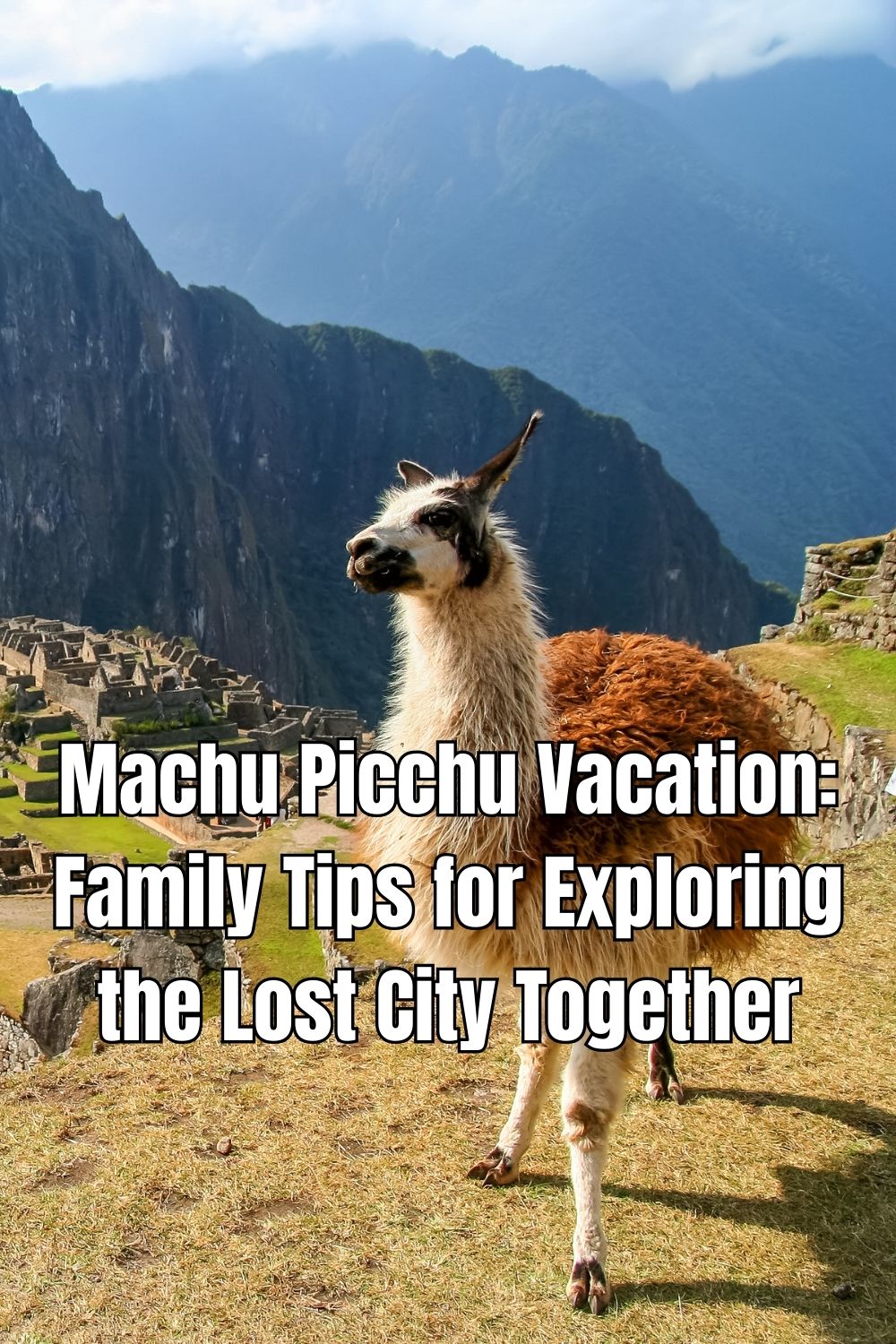
Machu Picchu Vacation: Family Tips for Exploring the Lost City Together
A family vacation to Machu Picchu stands as a transformative journey, an opportunity to share a wonder of the ancient world with children and create memories that will last a lifetime. Successfully exploring this iconic Inca citadel with younger travelers, however, requires thoughtful planning, realistic expectations, and a focus on engagement. The adventure involves preparing for high altitude, navigating travel logistics, and fostering a sense of wonder amidst the Andean peaks.
Below are some family tips for exploring Machu Picchu together:
Advanced Planning is Non-Negotiable
Thorough preparation is the most critical component of a smooth family trip to Machu Picchu. The Peruvian government strictly regulates visitor numbers, and tickets sell out weeks, often months, in advance. Families must secure all necessary permits and travel authorizations well ahead of their intended travel dates.
The most crucial step is to officially purchase Machu Picchu entrance tickets from authorized vendors as soon as the travel dates are confirmed. This foresight can ensure the entire family can enter together at a preferred time slot. Planning should also extend to the broader itinerary, considering traveling from Cusco to the town of Aguas Calientes via train, overnight accommodations, and any desired side trips, such as visiting the Sacred Valley. Spontaneous travel to Machu Picchu with a family is nearly impossible and highly discouraged.
Prioritizing Health and Acclimatization
Cusco and Machu Picchu sit at altitudes exceeding 7,800 feet, making altitude sickness a genuine concern, particularly for children. To mitigate risks, families should build acclimatization days into their itinerary. A recommended strategy is to spend at least two full nights in the Sacred Valley (which is lower than Cusco) upon arrival before ascending to Machu Picchu or Cusco. During this period, activities should be gentle, hydration must be constant, and meals should be light. Symptoms like headaches, fatigue, and nausea are common.
Hence, parents should monitor children closely and consult a pediatrician before the trip about appropriate medications. Carrying altitude sickness remedies and simple snacks can help manage minor discomfort on site.
Curating an Engaging and Manageable Experience
The scale of Machu Picchu can be overwhelming. For children, a multi-hour, detailed archaeological tour may lead to disengagement and fatigue. Instead, families should focus on making the experience interactive and digestible. Hiring a certified, family-friendly guide who can tailor information with stories and legends about the Inca Empire is invaluable. They can point out fascinating features like the Temple of the Sun, the Room of the Three Windows, and the resident llamas.
Turning the exploration into a gentle scavenger hunt, such as looking for specific carvings, agricultural terraces, or different types of Inca architecture, can keep children observant and excited. This interactive method helps young minds appreciate the sophistication of the Incan Empire far more than passive observation. Whether visiting independently or through organized tour packages, it remains essential to set a realistic pace, take frequent breaks on the many stone walls, and be willing to skip some areas to preserve everyone’s energy and enthusiasm.
Families who have booked trek packages for longer journeys will be especially accustomed to this mindful pacing. This wisdom, often shared by past travelers, is key to appreciating the site’s remarkable structural integrity and its status as a UNESCO World Heritage site without feeling rushed. Ultimately, successful Machu Picchu reservations are just the first step in a journey that begins the moment a family lands at Cusco airport. Managing the entire day with flexibility can ensure the adventure is enjoyable, sustainable, and memorable for all ages.
Strategic Packing for a Day on the Mountain
The weather in the Andes can change rapidly, and there are limited services within the citadel. A well-packed day bag is crucial for family comfort. Essentials include layered clothing (moisture-wicking base layers, fleece, and waterproof jackets), wide-brimmed hats, high-SPF sunscreen, and insect repellent. Each person should have a reusable water bottle since staying hydrated combats altitude effects.
It’s also best to pack ample high-energy snacks like nuts, granola bars, and fruit, as exploring can work up big appetites. Other must-have accessories for travelers are a basic first-aid kit, hand sanitizer, and portable phone chargers. Remember, walking poles with metal tips aren’t permitted within the ruins. Rubber-tipped poles are acceptable and can be helpful for stability on steep pathways.
Navigating Logistics with Children in Mind
The journey to Machu Picchu is part of the adventure. The train ride from Ollantaytambo to Aguas Calientes offers stunning scenery that families can enjoy together. Upon arrival, a 25-minute bus ride ascends a series of switchbacks to the entrance which can be thrilling for some children and dizzying for others.
Parents should be prepared for either reaction. Inside the Incan ruins, the stone pathways are often uneven, steep, and lack guardrails in key areas, mirroring the ancient network that once connected this sacred site across the Andes mountains. Holding younger children’s hands is imperative, not only for safety but to enhance their sense of discovery on this vast archaeological circuit. This attention to safety extends to practical matters. For instance, restrooms are located only at the main entrance, so families should plan accordingly before beginning their exploration.
For those who have trekked the famed Inca Trail, this practice of strategic preparation will be familiar. Guided tours often emphasize this point, as part of ensuring a smooth experience that allows for deeper cultural immersion without avoidable interruptions.
Extending the Educational Journey
To deepen the family’s understanding and appreciation, preparatory learning can significantly enhance the on-site experience. In the weeks leading up to the trip, families can watch age-appropriate documentaries, read books about Inca culture, or explore interactive online resources about the site’s history and rediscovery.
After the visit, discussing what each family member found most fascinating can reinforce the learning and create shared points of reference. This approach can transform the trip from a simple sightseeing tour into a cohesive educational adventure. Perhaps one child was captivated by the challenging hike to the Sun Gate, while another was intrigued by the spiritual significance of the Sacred Rock.
Comparing these experiences to the panoramic vista from Machu Picchu Mountain can spark conversations about engineering and sacred geography within the Inca civilization. These discussions can extend beyond the ruins themselves, reflecting on the journey aboard the Inca Rail train or memorable tastes of Peruvian cuisine shared in Aguas Calientes.
Key Takeaway
A family journey to Machu Picchu is an investment in shared discovery. By keeping the tips mentioned above in mind, parents can ensure the experience is enjoyable, educational, and safe for all. The reward is witnessing the awe on a child’s face as they gaze across the stone city nestled among misty peaks, which is a moment of collective wonder that defines the ultimate family adventure.
Leave A Reply!