Learn the six signs of a struggling teen and recognize when your child needs support during difficult times.
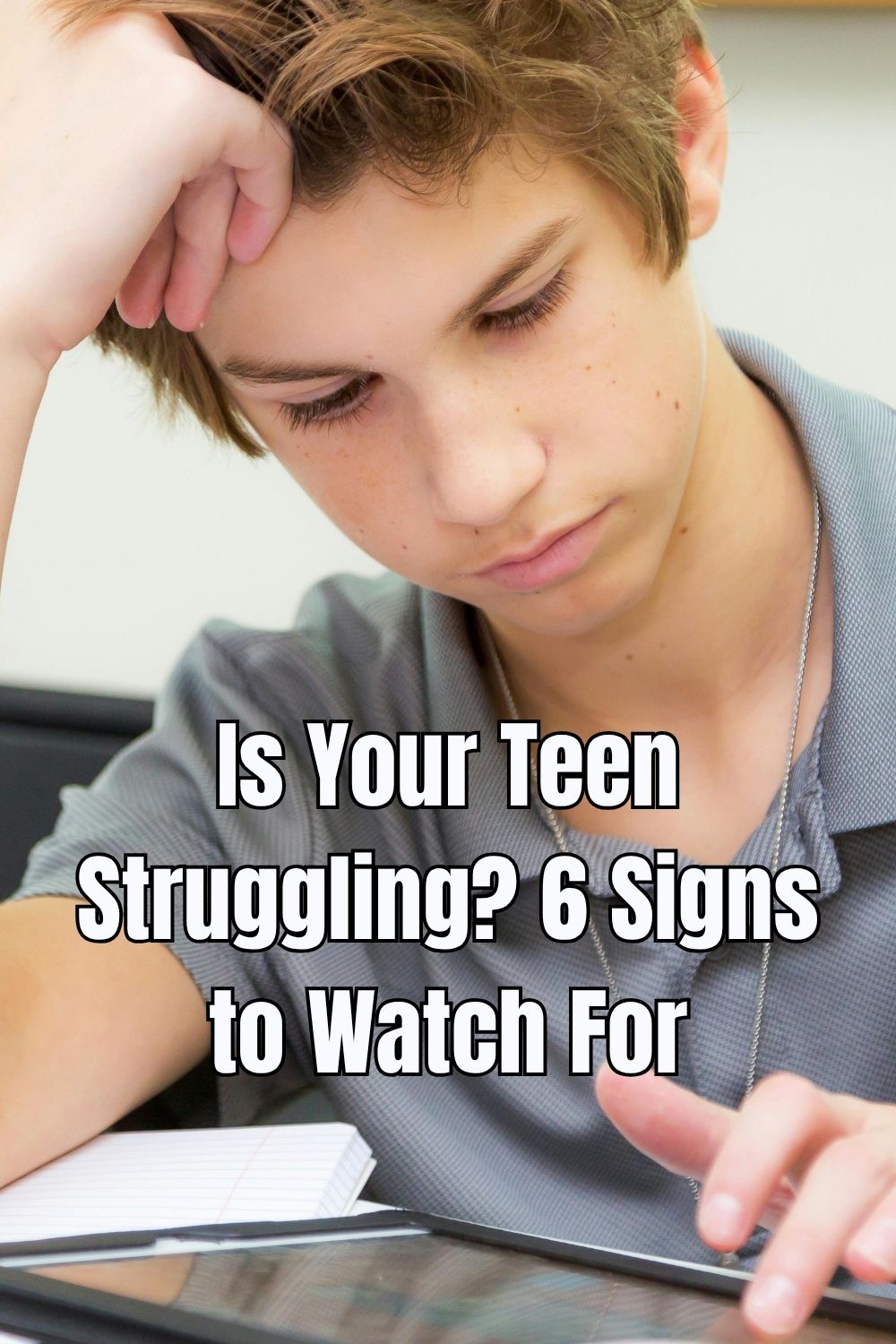
Is Your Teen Struggling? 6 Signs to Watch For
During the teenage years, mood swings and growth spurts are expected parts of the transition into adulthood. Parents must learn to spot when a child is drowning in emotional distress. Identifying the red flags is the first step toward finding a solution. Your support acts as a lifeline when life feels heavy and confusing for your child.
Sudden Shifts In Academic Performance
A sharp drop in grades can indicate that a teen is struggling to keep their head above water. Students who usually excel might start missing deadlines or failing simple quizzes. Staying focused on schoolwork requires a level of mental energy that a depressed teen simply lacks.
- Unexplained absences from classes or clubs
- Forgetting to bring books or supplies home
- Refusing to talk about future goals or college plans
Sudden shifts happen when internal pain takes up all the space in their mind. Parents should look for patterns rather than judging a single bad grade. Sudden apathy toward a favorite subject is another sign to watch for closely.
Withdrawal From Friendships And Social Circles
Watching a child pull away from people they love is a difficult experience for any family. Seeking guidance from professionals like Ascend Behavioral Health can offer the support needed to navigate these social changes. Reaching out to a professional offers a safe way to start a conversation about mental health.
Isolation comes from the fear of being judged by others. A teen might stop answering texts from long-term friends or spend every night alone in their room. You might notice they stop mentioning the names of peers they used to see daily.
Drastic Changes In Sleep Patterns And Appetite
Physical health and mental health are linked in ways that are hard to ignore. A teen might start sleeping for 12 hours a day or staying awake until dawn. Eating habits can shift just as quickly as sleep schedules do.
Some young people lose their appetite entirely when they feel stressed or anxious, and others turn to food as a way to cope with deep emotional voids. Noticeable changes in weight or energy levels require careful attention from caregivers. Since the body is growing fast at that age, sudden physical disruptions can result in long-term fatigue. Fatigue makes it even harder for them to manage their daily emotions.
Persistent Feelings Of Low Self-Esteem
Teenagers deal with insecurity as they try to find their place in the world. Constant self-criticism and self-hatred are serious issues that can cause deep scars. They might use harsh language to describe their appearance or their personality.
A leading health organization reported that about 20% of adolescents dealt with anxiety symptoms in the last 2 weeks. Roughly 18% of that same group experienced symptoms of depression during that short window. When a teen feels they cannot do anything right, they may give up on trying altogether. Helping them rebuild their confidence is a slow but necessary process.
Increased Irritability And Social Friction
Depression in younger people does not always look like sadness or crying. It frequently shows up as extreme irritability or sudden outbursts of rage. A teen might snap at their siblings or argue over the smallest household chores.
Friction at home or school can be a sign of a deeper clinical struggle. Teens with a clinical diagnosis are 10 times more likely to have trouble keeping friends. They feel like nobody understands the pressure they face every day. Patience is needed to see past the anger to the pain underneath.
Participation In Unsafe Or Risky Behaviors
Acting out can be a desperate attempt to feel something or to escape a numb state. Some teens may experiment with substances or engage in dangerous stunts to distract themselves. Harmful choices are a silent cry for help when words fail.
Statistics from a mental health outlet show that 20% of high schoolers seriously considered suicide in the past year. About 10% of those students went as far as making a physical attempt to end their lives. These worrying numbers highlight the urgency of addressing risky choices before they escalate. Parents should treat any mention of self-harm or risky behavior with immediate care and take action on the spot.Parents should pay attention if a child is facing mental health challenges. Noticing these 6 signs allows you to step in before a crisis occurs. Your child needs to know that they are not alone in their struggle.
Open conversations and a non-judgmental attitude build the trust required for recovery. Healing takes time and effort from the entire family unit. Stay patient and keep showing up for your teen every single day. The road to wellness is possible with the right tools and love.
Leave A Reply!