Innovative Strategies to Help Children Thrive Academically
Key Takeaways
- Embracing technology enhances engagement and comprehension for students of all ages.
- Personalized learning strategies ensure educational experiences meet individual needs.
- Active parental involvement strengthens the bridge between home and classroom learning.
- Supporting students’ emotional and social well-being directly impacts their academic success.
Today’s educational landscape is evolving rapidly, requiring educators and parents to adapt with new, practical solutions. By combining proven practices with forward-thinking approaches, families and schools can foster an enriching environment that promotes student achievement. Whether in traditional schools or modern learning centers, strategies that prioritize engagement and adaptability result in stronger, more confident learners. For families seeking early support, the best child care in Windsor, CT, offers programs that balance foundational learning with creativity, ensuring children thrive from the very start.
Integrating creativity and exploration allows children to build knowledge and confidence simultaneously. As research continues to reveal, holistic educational models that address both academic and emotional needs are essential for preparing students for lifelong success. Investing in supportive relationships, up-to-date tools, and a personalized approach empowers every child to reach their highest potential within and beyond the classroom.
Integrating Technology in the Classroom
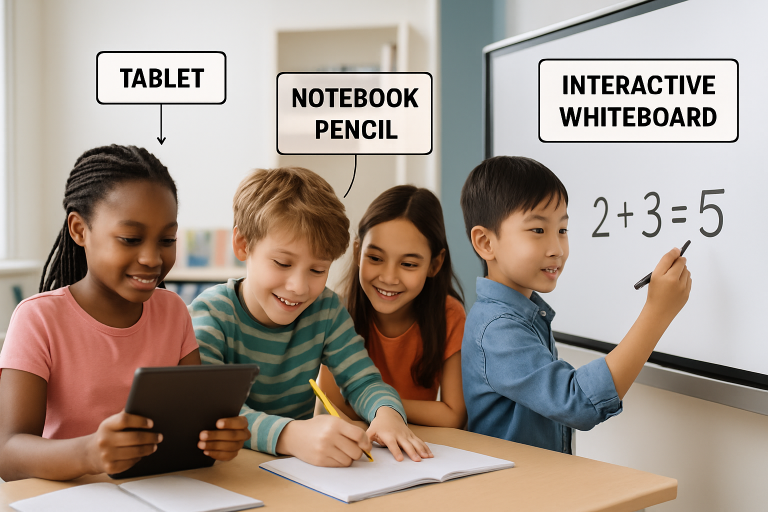
The growing role of technology in education cannot be overstated. Digital tools such as interactive whiteboards, tablets, and educational software transform the way concepts are introduced and understood. Not only do these resources help break down complex topics, but they also increase student engagement through visual and interactive elements.
Artificial intelligence and data-driven online learning platforms now provide educators and students with instant feedback, adaptive exercises, and personalized learning modules. These technologies streamline assessments and pinpoint areas for improvement with precision, enabling educators to deliver targeted support quickly. Adaptive technologies also make lessons accessible for diverse learning styles and abilities, helping all students keep pace with the curriculum.
Personalized Learning Approaches
Every student’s educational journey is unique, and personalized learning strategies reflect that diversity. By differentiating instruction and creating flexible learning paths, educators can address each child’s strengths, challenges, and interests. For some students, individualized lesson plans and one-on-one instruction can transform their approach to complex subjects.
Personalized learning also emphasizes student voice, giving learners a say in their projects or methods of exploration. Incorporating student interests leads to stronger motivation and deeper subject mastery. Technology-driven tools, such as learning analytics and progress dashboards, make this individualized strategy more efficient and more effective, supporting data-informed decision-making by both teachers and parents.
Parental Involvement and Support
Engaged parents play a pivotal role in academic success. Regular communication between home and school fosters a collaborative environment in which students feel supported and motivated. Simple strategies, such as nightly reading, checking homework, and attending school events, build a strong academic foundation from an early age.
Schools supporting parental engagement through workshops and resource events enable families to stay informed about innovative strategies and changing curriculum standards. Parental involvement is not only associated with higher grades and test scores, but with increased self-esteem and positive attitudes about learning.
Fostering Emotional Well-Being
Academic achievement is deeply intertwined with emotional and social well-being. A classroom culture that values respect, empathy, and curiosity gives students the security needed for academic risk-taking. When children feel seen and heard by their peers and teachers, they are more likely to participate actively and achieve higher levels.
Mindfulness routines, social-emotional learning programs, and consistent classroom practices equip students with resilience and self-regulation skills. Educators who prioritize mental health and celebrate students’ unique contributions create a foundation for lifelong learning and healthy development.
Encouraging Exploratory Learning
Moving beyond rote learning, exploratory approaches allow children to investigate topics through hands-on experiments, fieldwork, and open-ended questioning. These active learning opportunities encourage critical thinking, teamwork, and perseverance in problem-solving. STEM projects, maker spaces, and inquiry-based challenges empower children to apply classroom concepts to real-world scenarios.
Encouraging this spirit of discovery allows for deeper learning and retention. Students who act as investigators and collaborators develop self-confidence and ingenuity, crucial for navigating future academic and professional challenges.
Implementing Project-Based Learning
Project-based learning is a dynamic instructional approach built around meaningful questions or challenges. Students investigate a complex problem or topic over an extended period, culminating in a presentation or tangible product. This method builds essential skills, including research, time management, and collaboration. Working collaboratively on projects exposes children to diverse perspectives and fosters a sense of accountability. Real-world applications—such as environmental research or entrepreneurial ventures—provide students with the hands-on experience needed for future studies and careers.
Building Strong Teacher-Student Relationships
Strong, positive relationships between teachers and students create a safe space for academic risk-taking and growth. Educators who prioritize rapport and clear communication make learning more accessible and enjoyable for all learners. Trusting relationships also make it easier to identify when students need additional support or intervention. Teachers who act as mentors not only inspire academic achievement but also model the emotional intelligence, resilience, and curiosity that fuel lifelong success and well-being.
Conclusion
By integrating technology, personalizing educational experiences, fostering emotional development, and encouraging family participation, schools and families can build thriving, well-rounded learners. Innovative strategies are essential for shaping the next generation of scholars and leaders while promoting happiness, confidence, and resilience throughout every step of their journey.
Leave A Reply!