Explore innovative strategies for energy-efficient cooling to reduce energy consumption and promote environmental responsibility.
Innovative Strategies for Energy-Efficient Cooling
Key Takeaways
- Implementing energy-efficient cooling methods can significantly reduce energy consumption and environmental impact.
- Technologies such as passive cooling, AI integration, and advanced materials are leading the way in sustainable cooling solutions.
- Adopting these strategies can enhance comfort while promoting environmental responsibility.
With the intensifying impacts of climate change, the global demand for indoor comfort is setting new records each year—yet conventional cooling comes at a steep environmental cost. As households and businesses seek sustainable alternatives, innovative, energy-efficient cooling strategies are emerging to provide both comfort and conservation. Modern HVAC services now encompass advanced solutions that enable users to optimize comfort, save energy, and reduce their ecological footprint. The shift toward energy-efficient cooling is not only a reaction to climate pressures but also a proactive move to meet tightened environmental standards and rising energy prices. Forward-thinking technologies—ranging from passive cooling techniques to artificial intelligence-driven systems—form the backbone of a new era in sustainable temperature control. By prioritizing these developments, homeowners and building managers can dramatically enhance performance while supporting broader goals of energy conservation and environmental responsibility.
Passive Cooling Techniques
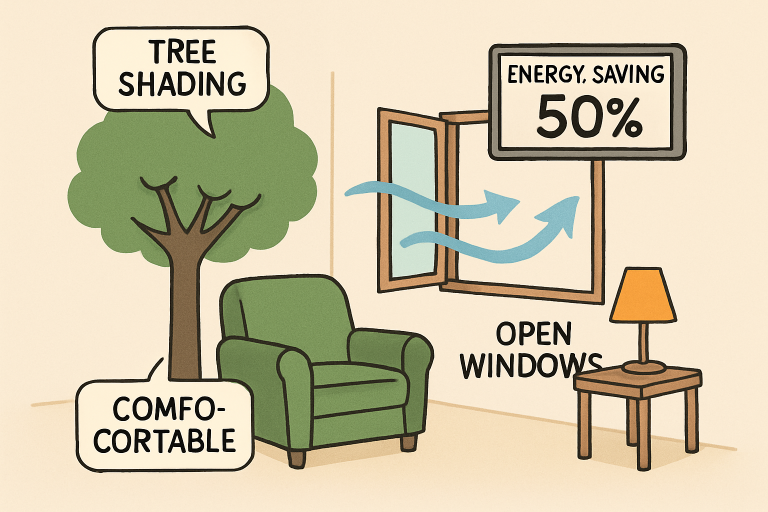
Passive cooling leverages smart architectural design and nature’s own processes to moderate indoor temperatures without relying heavily on mechanical systems. Approaches like strategic exterior shading, well-placed windows for cross-ventilation, and high thermal mass can effectively stabilize temperatures and minimize heat intrusion. For example, energy-smart landscaping that incorporates shade trees and dense shrubs near windows can lower indoor temperatures by several degrees, while also supporting biodiversity and improving urban air quality. Expert sources highlight the growing popularity of passive cooling as climate-adaptive design becomes mainstream. Incorporating operable windows, vents, and skylights into home and building designs allows for natural airflow, which flushes out heat without electricity. Additionally, reflective window films or adjustable louvered shades can block unwanted solar gain at critical times of the day, drastically reducing the need for air conditioning.
Advanced Materials and Technologies
The advancement of innovative building materials is transforming the future of energy-efficient cooling. A standout example is the “Cool Brick”—a 3D-printed ceramic brick that uses evaporative cooling principles, enabling buildings in arid climates to stay cool with minimal energy input. Such technologies provide accessible, scalable alternatives to traditional AC, and, as material science continues to evolve, the array of high-performance options on the market is expanding rapidly.
Artificial Intelligence Integration
Artificial Intelligence (AI) is becoming integral to state-of-the-art energy management. AI-enabled control systems for HVAC equipment can interpret real-time sensor data and dynamically adjust operational settings, optimizing for both comfort and efficiency. These intelligent systems not only minimize unnecessary cooling but can also predict and prevent equipment failures by suggesting timely maintenance actions. Their use can result in considerable energy and cost savings, as reported in industry case studies.
Deep Water Source Cooling
Among the most groundbreaking large-scale cooling solutions is deep water source cooling (DWSC). By drawing naturally cold water from deep lakes or oceans, this technique takes advantage of stable, low temperatures at depth to cool entire districts or campuses without conventional electric chillers. The Enwave Energy system in Toronto exemplifies the potential: it successfully distributes deep lake water to replace thousands of rooftop chillers, slashing both energy use and carbon emissions. More cities worldwide are considering or piloting similar district-cooling schemes.
Radiative Cooling
Radiative cooling utilizes materials engineered to emit heat as infrared radiation directly into the cold expanse of the sky. Innovations like cool roofing systems—blending high solar reflectance with strong infrared emittance—enable substantial reductions in roof surface temperature and, by extension, indoor heat gain. This passive form of cooling works day or night and is especially effective in hot, sunny climates where solar exposure significantly elevates buildings’ energy loads. More about its science and practical applications can be found here.
Community-Based Cooling Solutions
Beyond single-building innovations, community-wide strategies are taking center stage in the push for greater energy efficiency. One model is the use of shared geothermal infrastructure—underground heating and cooling networks that serve entire neighborhoods. Projects in locations such as Framingham, Massachusetts, show how these systems drastically lower utility bills for residents and reduce greenhouse gas emissions by tapping into stable ground temperatures for collective benefit. As these initiatives gain traction, municipalities and developers are forming public-private partnerships to fund and expand such efforts.
Shaping a Greener, Cooler Future
Sustainable cooling is becoming both an environmental imperative and an economic opportunity. By embracing a suite of innovative strategies—including passive design, cutting-edge materials, AI-driven optimization, and district-scale solutions—communities and organizations can cut energy use, shrink carbon footprints, and provide more resilient, comfortable indoor environments. As the world moves toward a greener, cooler future, the integration of advanced HVAC services and forward-looking building technologies will play a defining role in shaping tomorrow’s sustainable cities and lifestyles.