Discover how modernizing mental health is transforming care and promoting successful recovery with innovative strategies.

Introduction: The New Era of Mental Healthcare

Mental health and addiction support are more important than ever. We see a growing need for effective solutions in communities everywhere. This is especially true in areas like McMinn County, TN.
The way we approach mental healthcare and drug rehab is changing fast. New ideas and technologies are making a big difference. They help us offer better and more accessible care.
This article will explore these exciting innovations. We will look at how treatment methods are evolving. We will also examine new ways to manage care, making it easier for people to get help.
Our goal is to show how these changes are creating a new era. It is an era where recovery and well-being are within reach for more individuals.
Technological Leaps: Expanding Access to Mental Health Services

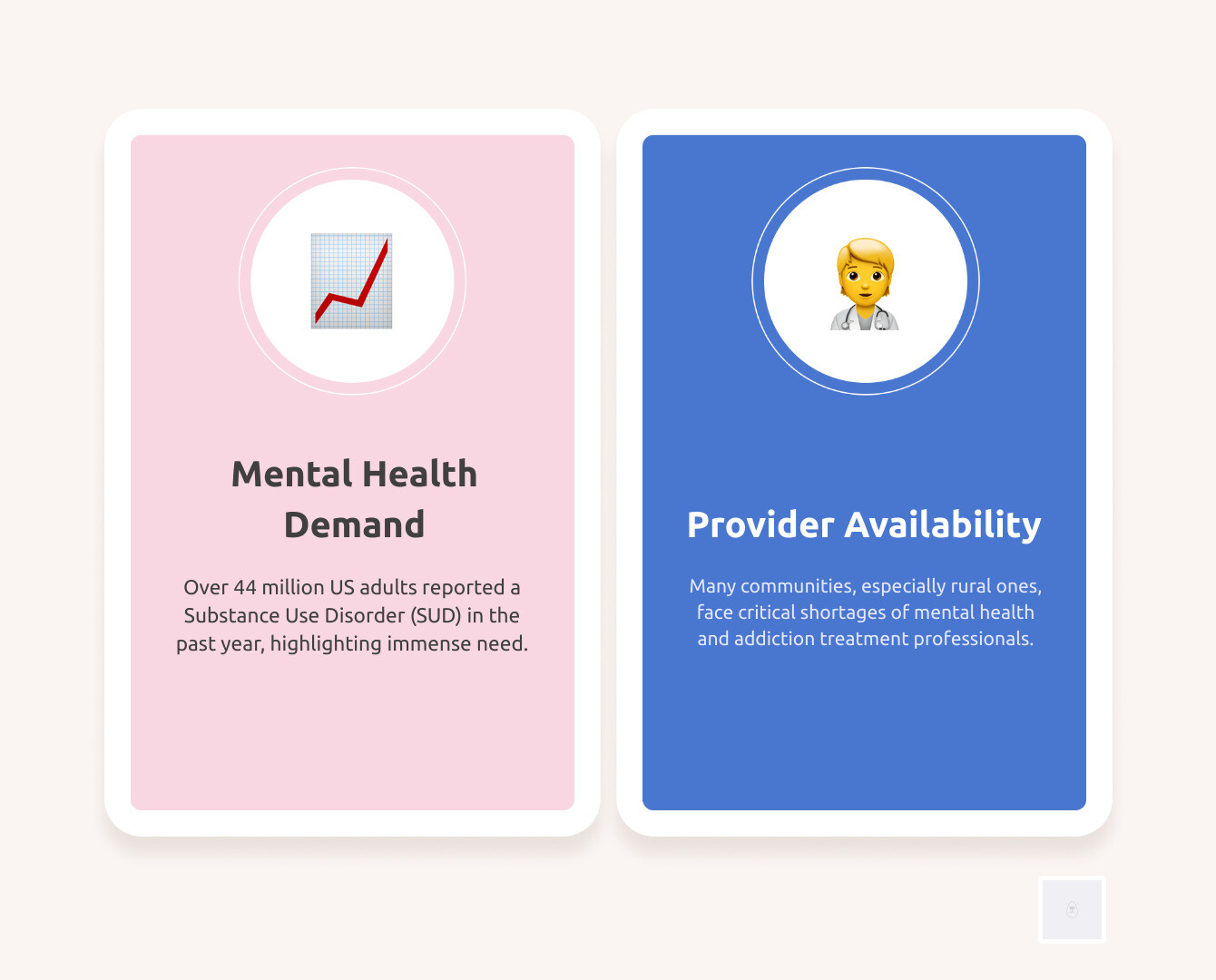
The landscape of mental health care is being profoundly reshaped by technology. For individuals seeking drug rehab in McMinn County, TN, and beyond, these technological leaps are not just conveniences; they represent critical pathways to care that might otherwise be inaccessible. We are witnessing a paradigm shift, moving from traditional, often geographically limited, models to more dynamic, patient-centric approaches. This evolution is particularly vital in addressing the widespread challenge of substance use disorders (SUDs), which affect millions of Americans. According to the 2021 National Survey on Drug Use and Health (NSDUH), a staggering 44.1 million American adults reported a SUD in the past year, underscoring the immense demand for effective and accessible treatment.
The Rise of Telehealth and Virtual Care
Telehealth has emerged as a cornerstone of modern mental health and addiction treatment, offering unprecedented continuity of care. This is especially beneficial for residents in rural areas, such as parts of McMinn County, TN, where specialized therapists or addiction treatment centers might be few and far between. Telehealth effectively dismantles geographical barriers, allowing individuals to connect with providers regardless of their physical location. This means someone living in a more remote part of McMinn County can access top-tier care without the burden of long commutes, transportation issues, or taking time off work.
Beyond accessibility, telehealth plays a significant role in reducing the stigma often associated with seeking mental health and addiction treatment. Engaging in therapy from the comfort and privacy of one’s home can make the initial step into treatment feel less daunting. The COVID-19 pandemic significantly accelerated the adoption of telehealth, proving its efficacy and necessity. As insurance coverage for virtual mental health services has expanded, it has become a sustainable and preferred option for many. Furthermore, virtual care encompasses not just live video sessions but also asynchronous communication methods, allowing for greater flexibility and ongoing support, which is crucial for individuals navigating the complexities of drug rehab and recovery.
Digital Therapeutics and Mental Health Apps
Beyond one-on-one virtual sessions, the digital field offers a wealth of tools designed to support mental well-being and aid in recovery from SUDs. Digital therapeutics and mental health apps are revolutionizing self-management and supplemental care. We are seeing a proliferation of apps that offer self-guided Cognitive Behavioral Therapy (CBT) exercises, mindfulness practices, and mood tracking functionalities. These tools empower individuals to actively participate in their recovery journey, providing coping strategies and self-monitoring capabilities at their fingertips.
The concept of gamification, where elements of game design are applied to non-game contexts, is also being leveraged to make engagement with treatment more interactive and rewarding. For instance, apps might offer points or rewards for consistent meditation practices or for tracking sober days. Moreover, some digital therapeutics have undergone rigorous clinical trials and received FDA approval, signifying their effectiveness as legitimate medical interventions. These approved digital tools can provide evidence-based treatment for various conditions, including SUDs, often complementing traditional therapy. However, as with any digital platform handling sensitive information, concerns around data privacy remain paramount, and we advocate for platforms that prioritize robust security measures to protect patient confidentiality.
Advancements in Clinical Approaches: A Mental Health Innovation
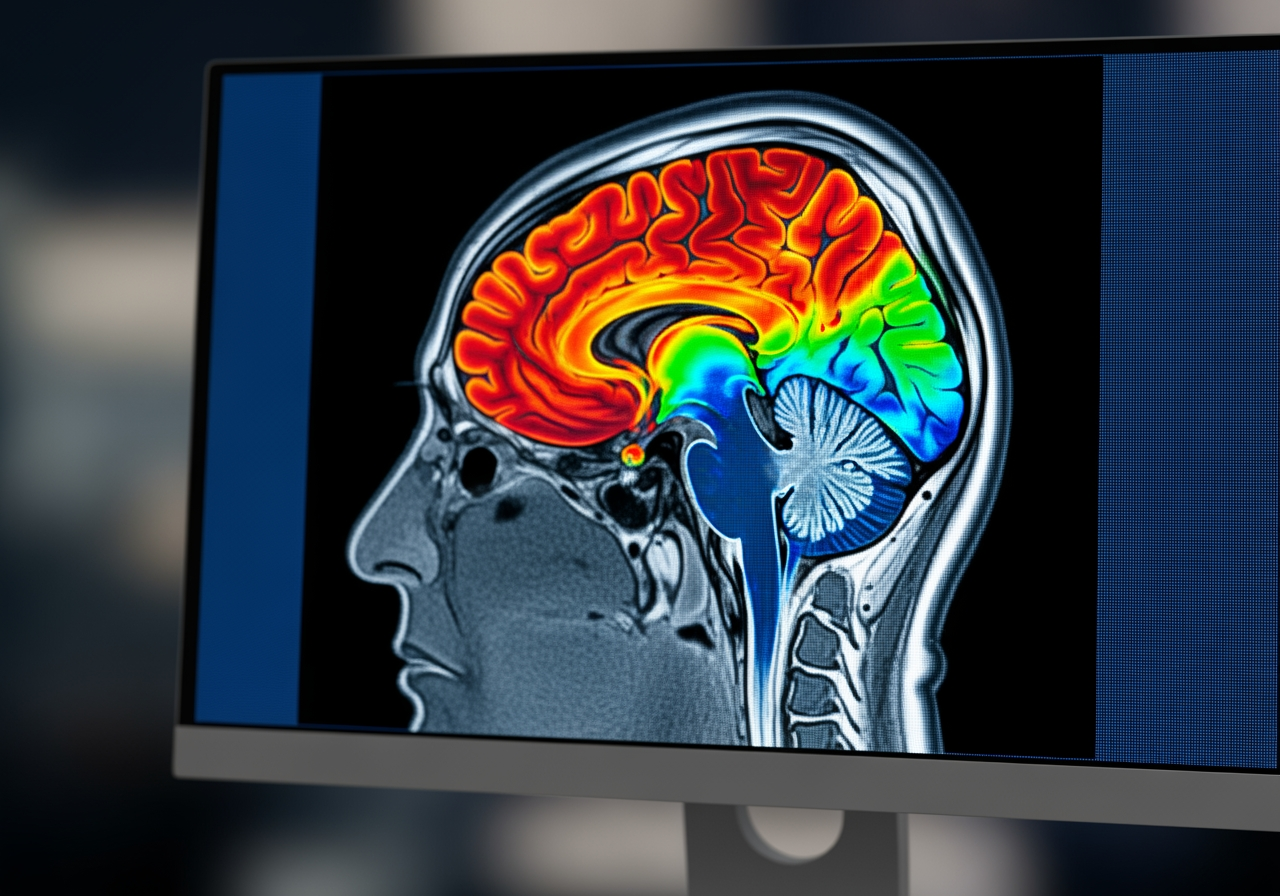
The core of effective drug rehab and mental health treatment lies in the clinical approaches we employ. We are constantly seeking to refine and innovate these methods to provide more effective, personalized, and enduring recovery pathways. This era of mental health innovation is characterized by a deeper understanding of the brain, the interplay of mental health and substance use, and the development of highly targeted interventions. For communities like McMinn County, TN, where the opioid crisis and other forms of SUDs continue to pose significant challenges, these clinical advancements offer renewed hope. The Tennessee Drug Overdose Data Dashboard reported 3,814 drug overdose deaths and 7,008 nonfatal inpatient overdoses in 2021, highlighting the urgent need for sophisticated and accessible treatment options.
Integrated Treatment for Co-Occurring Disorders
One of the most significant advancements in drug rehab is the widespread adoption of integrated treatment for co-occurring disorders, often referred to as dual diagnosis. We now understand that substance abuse rarely occurs in a vacuum. A substantial portion of individuals struggling with addiction also grapple with underlying mental health conditions such as depression, anxiety, PTSD, or bipolar disorder. In fact, statistics suggest that approximately 50% of people with substance use disorders also have dual diagnoses. Historically, these conditions were often treated separately, leading to fragmented care and higher rates of relapse.
Integrated treatment addresses this by treating both the SUD and the mental health disorder simultaneously, recognizing them as interconnected facets of a single condition. This holistic patient view ensures that underlying psychological issues contributing to substance use are identified and managed, while coping mechanisms for addiction are also developed. By offering simultaneous treatment, we see significantly improved outcomes, as individuals are equipped to manage both their mental health symptoms and their cravings, leading to more stable and sustainable recovery. Common co-occurring disorders include:
- Major Depressive Disorder
- Generalized Anxiety Disorder
- Post-Traumatic Stress Disorder (PTSD)
- Bipolar Disorder
- Schizophrenia
- Obsessive-Compulsive Disorder (OCD)
- Personality Disorders
The Role of Medication-Assisted Treatment (MAT)
Medication-Assisted Treatment (MAT) represents a critical innovation, particularly in our response to the opioid crisis that has deeply impacted Tennessee and communities like McMinn County. MAT combines behavioral therapies with medications to treat substance use disorders and prevent opioid overdose. Medications such as buprenorphine (often combined with naloxone as Suboxone) and naltrexone work by reducing cravings and normalizing brain chemistry, making it easier for individuals to engage in counseling and therapy without the overwhelming physiological pull of addiction.
We recognize that MAT is not simply substituting one drug for another; it is a comprehensive approach that significantly improves treatment outcomes. By alleviating withdrawal symptoms and cravings, MAT provides a stable foundation upon which individuals can build their recovery. It prevents relapse, reduces illicit drug use, and improves patient survival rates. When combined with counseling, group therapy, and other supportive services, MAT offers a powerful and evidence-based pathway to recovery, particularly for those struggling with opioid addictions, including heroin, fentanyl, and prescription painkillers.
Personalized Therapies: A New Mental Health Innovation
Beyond medication, the therapeutic landscape has evolved to offer highly personalized approaches, moving away from a one-size-fits-all model. We understand that each individual’s journey to addiction and recovery is unique, shaped by personal history, trauma, genetics, and environment. This understanding has led to the refinement and widespread application of therapies custom to individual needs.
Cognitive Behavioral Therapy (CBT) remains a cornerstone, helping individuals identify and change negative thought patterns and behaviors that contribute to substance use. Dialectical Behavior Therapy (DBT), an adaptation of CBT, is particularly effective for those struggling with intense emotions, self-harm, and unstable relationships, teaching skills in mindfulness, emotional regulation, distress tolerance, and interpersonal effectiveness. Trauma-informed care is also paramount, recognizing the pervasive impact of trauma on mental health and addiction, and integrating this understanding into all aspects of treatment. This client-centered focus is a key part of the Kingdom Recovery mental health innovation approach, ensuring that treatment plans are not just effective but also deeply respectful of each person’s unique experiences and strengths. By tailoring treatment to individuals, we foster a stronger sense of ownership over the recovery process and significantly improve the likelihood of long-term sobriety.
The Power of People and Community in Recovery
While clinical interventions and technological tools are vital, we also recognize that recovery is fundamentally a human journey, deeply influenced by social connections and community support. Innovations in mental health and drug rehab increasingly emphasize the power of people and community, addressing the social determinants of health that often underpin addiction. For individuals in McMinn County, TN, connecting with a supportive community can be as crucial as the treatment itself, providing a sense of belonging and purpose that combats isolation and fosters resilience.
The Emergence of Peer Support Specialists
A groundbreaking innovation in recovery services is the integration of Peer Support Specialists. These individuals are not just trained professionals; they are people with lived experience of mental health conditions and/or substance use disorders who are in stable recovery themselves. Their unique perspective allows them to connect with individuals seeking help on a profound level, building trust and rapport that might be difficult for traditional clinicians to achieve.
Peer support specialists act as mentors, advocates, and guides. They offer practical recovery coaching, helping individuals steer the often-complex systems of care, identify local resources, and develop essential life skills. Their presence helps to reduce the profound sense of isolation that often accompanies addiction, showing by example that recovery is not only possible but sustainable. They embody hope and provide tangible evidence that one can move beyond a diagnosis to lead a fulfilling life. This model is gaining traction across Tennessee, including in communities like McMinn County, as providers recognize the invaluable contribution of those who have walked the path of recovery themselves.
Integrating Community Services for Holistic Care
True recovery extends far beyond the confines of a treatment center; it involves reintegrating into a healthy, supportive community. We understand that addressing the root causes of distress and supporting a stable life requires more than just therapy. Therefore, an essential innovation involves integrating a wide array of community services into the recovery framework.
This holistic approach includes providing assistance with housing, ensuring individuals have a safe and stable place to live—a fundamental need often disrupted by addiction. Employment counseling helps individuals develop job skills, find meaningful work, and regain financial independence, contributing to self-esteem and purpose. Nutrition support addresses the physical toll addiction takes on the body, promoting overall well-being. Case management services tie all these elements together, coordinating care and ensuring individuals receive comprehensive support custom to their evolving needs. By addressing these social determinants of health, we create a more robust and sustainable foundation for long-term recovery, empowering individuals in McMinn County and elsewhere to rebuild their lives within their communities.
Innovating Practice Management for Better Patient Outcomes
While advancements in treatment and community support are critical, the efficiency and effectiveness of mental health and drug rehab services also depend heavily on how these practices are managed. We are seeing significant innovations in practice management that streamline operations, improve the patient experience, and enable data-driven decisions for better outcomes. These innovations are crucial for any provider, including those serving McMinn County, TN, allowing them to focus more on patient care and less on administrative burdens.
Digital Tools for Streamlined Operations
The administrative side of healthcare can often be complex and time-consuming, diverting valuable resources away from direct patient care. However, a new generation of digital tools is changing how mental health and drug rehab facilities operate. Online scheduling platforms empower patients to book appointments at their convenience, reducing phone tag and administrative overhead. Digital intake forms allow patients to complete necessary paperwork securely and efficiently before their first session, saving time during appointments and ensuring all relevant information is captured.
Automated billing systems simplify the financial aspects of treatment, reducing errors and ensuring timely processing. Crucially, sophisticated insurance verification tools help patients and providers steer the often-confusing landscape of health insurance, clarifying coverage and out-of-pocket costs upfront. This transparency is vital for individuals considering drug rehab in McMinn County, TN, as understanding financial commitments can be a significant barrier to seeking help. Furthermore, Electronic Health Records (EHRs) have become indispensable, providing a centralized, secure, and easily accessible repository for patient information, improving coordination of care among different providers and ensuring continuity of treatment.
Using Data to Inform Care and Policy
One of the most powerful innovations in practice management is the ability to leverage data to inform both individual patient care and broader public health policy. We are moving towards an era where decisions are increasingly data-driven, leading to more effective and efficient services. Outcome tracking allows providers to systematically measure the effectiveness of different treatment modalities and programs. By analyzing patient progress, relapse rates, and improvements in mental well-being, facilities can continuously refine their approaches to ensure the best possible results.
Population health management tools enable providers and public health officials to identify trends in addiction and mental health needs across specific communities, such as McMinn County, TN. This allows for targeted interventions and the allocation of resources where they are most needed. For example, if data reveals a surge in fentanyl-related overdoses in a particular area, public health initiatives can be quickly deployed to address that specific crisis. By collecting and analyzing this data, we can move beyond anecdotal evidence to create evidence-based policies and improve the overall quality of mental health and drug rehab services for the entire community. This systematic approach ensures that innovations are not just theoretical but are proven to make a tangible difference in people’s lives.
Conclusion: The Future is Integrated, Accessible, and Personalized
The journey of mental health and drug rehab in McMinn County, TN, and across the nation is at a pivotal point. We have explored a range of innovations that are fundamentally changing how we approach care, making it more effective, accessible, and custom to the individual.
From the widespread adoption of telehealth, which breaks down geographical barriers and reduces stigma, to the emergence of digital therapeutics that empower self-management, technology is democratizing access to crucial support. Clinically, our understanding of co-occurring disorders has led to integrated treatment models, while Medication-Assisted Treatment (MAT) offers a lifeline for those battling opioid addiction. Personalized therapies, including CBT, DBT, and trauma-informed care, ensure that each individual’s unique path to recovery is honored and supported.
Beyond the clinic, the power of people and community is being harnessed through peer support specialists and the integration of essential community services like housing and employment assistance. These innovations recognize that recovery is a holistic process, deeply intertwined with social well-being. Finally, advancements in practice management, utilizing digital tools and data analytics, are streamlining operations and ensuring that care is delivered efficiently and effectively, constantly improving outcomes.
Looking ahead, we anticipate even more exciting developments, such as the increasing role of Artificial Intelligence (AI) in mental health, offering new diagnostic tools, personalized treatment recommendations, and predictive analytics. The future of mental health and drug rehab is undeniably integrated, accessible, and personalized. We are committed to continuing this evolution, ensuring that recovery and lasting well-being are within reach for every individual in every community.
Leave A Reply!