Learn how to spot irrigation problems before they ruin your yard with these easy tips for maintaining a healthy lawn.
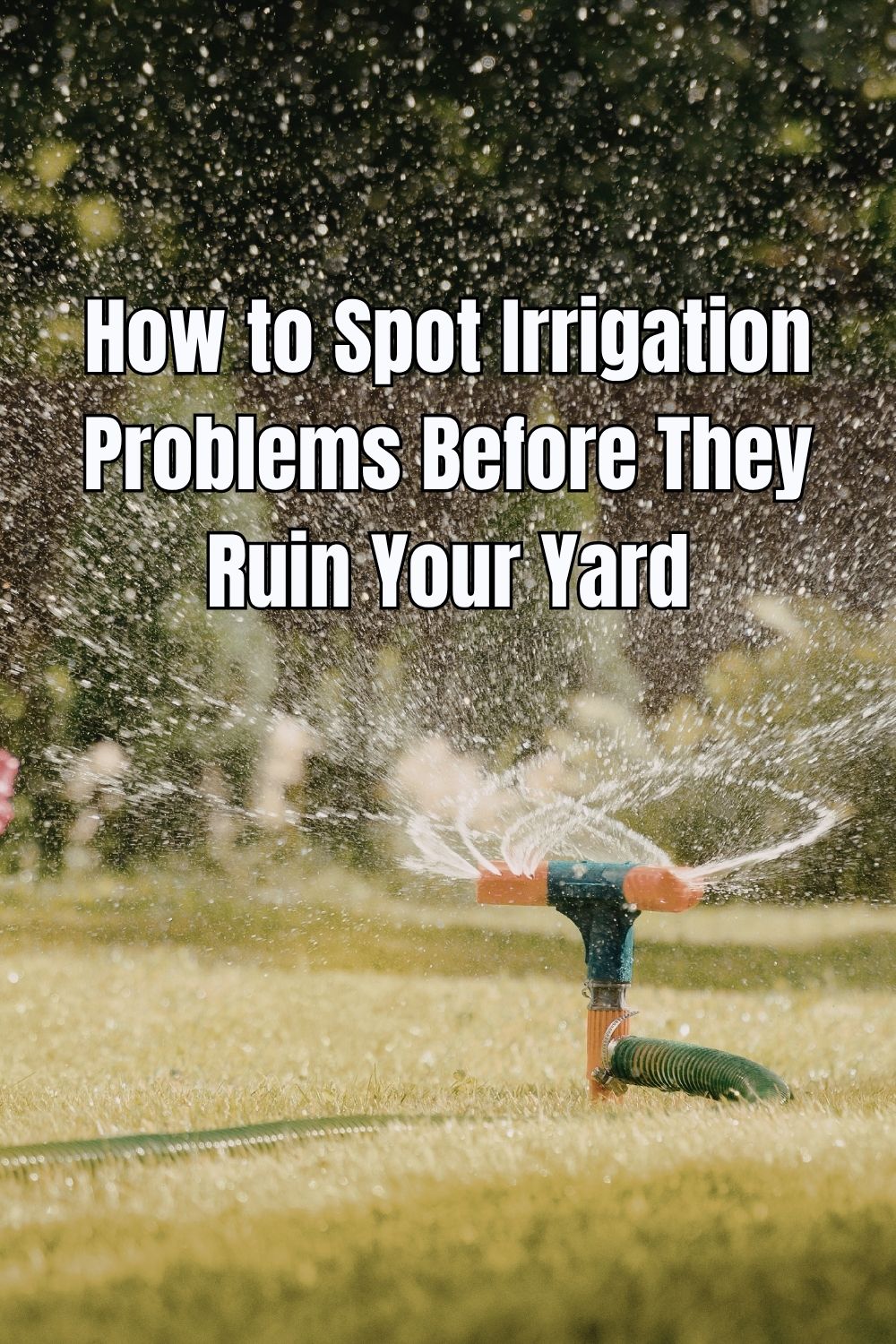
How to Spot Irrigation Problems Before They Ruin Your Yard
In St. Petersburg, FL, a green lawn doesn’t always mean your irrigation system is working properly. Many homeowners water on schedule and still deal with dry patches, soggy corners, or plants that never seem to thrive. The mix of heat, sandy soil, and frequent watering makes irrigation systems work harder than most people realize. Small issues often build up quietly, and by the time the lawn shows clear damage, the fix can get expensive.
The good news is that most irrigation problems give early warning signs. You just need to know what to look for. Once you understand these signs, you can step in early, fix the issue, and keep your yard healthy without wasting water or money.
Low Pressure That Weakens Coverage
A sprinkler system should deliver steady, even pressure across all zones. When pressure drops, the spray becomes weak, and water fails to reach the intended areas. You might see heads that don’t pop up fully or streams that barely extend past a few feet. This leads to dry zones even though the system appears to be running normally.
Low pressure often comes from leaks, pipe damage, or issues within the valve system. Sometimes, multiple zones running at once can also reduce pressure. Turn on each zone separately and observe how the water flows. If one area performs noticeably worse, there’s likely a problem in that section. In many cases, homeowners dealing with these issues end up needing residential sprinkler repair in St Petersburg to restore proper pressure and consistent coverage.
A Patchy Lawn That Tells a Story
When your yard shows a mix of green, dull, and brown areas, it usually points to uneven watering. Healthy grass depends on consistent coverage, and even small gaps in spray patterns can cause visible differences over time. Walk your yard during a watering cycle and pay attention to where water actually lands. You may notice some spots getting soaked while others barely receive any water.
This often happens when sprinkler heads shift, tilt, or clog with dirt. In St. Petersburg’s sandy soil, debris can easily affect spray performance. Adjusting the direction of a sprinkler head or cleaning a nozzle can sometimes solve the problem. If the pattern still looks uneven, the system may need a deeper inspection to restore proper coverage.
Water Bills That Quietly Climb
A sudden increase in your water bill can signal an irrigation problem long before you notice visible damage in your yard. Many sprinkler systems run early in the morning or late at night, so leaks or inefficiencies can go unnoticed for weeks. Even a small underground leak can waste a significant amount of water over time.
Compare your recent bills with past usage patterns, especially during similar weather conditions. If your watering habits haven’t changed but your bill has increased, it’s worth checking your system. Look for constantly damp areas, dripping heads, or zones that seem to run longer than scheduled. Catching these issues early helps you avoid paying for water that never benefits your lawn.
Soggy Spots That Shouldn’t Be There
Standing water or consistently wet patches in your yard usually point to overwatering or a localized system issue. These areas may feel soft underfoot and can develop a muddy texture over time. This is more than a cosmetic problem. Excess water limits oxygen in the soil and weakens grass roots.
Check nearby sprinkler heads to see if they are spraying too much water in one direction or leaking even when the system is off. Poor drainage can also make the issue worse, especially in low-lying areas of your yard. Adjusting spray patterns or replacing faulty heads can often solve the problem. If soggy spots keep returning, the system may need adjustments to balance water distribution more effectively.
Dry Spots That Keep Showing Up
Some dry areas return no matter how often you water, and that usually means the system isn’t reaching those spots properly. This can happen when nozzles get partially blocked or when the spray pattern doesn’t overlap enough with nearby heads. In St. Petersburg yards, sandy soil drains quickly, so missed areas dry out fast and become more noticeable.
Run your system and watch how water spreads across those problem zones. If the spray barely reaches them, the head may need adjustment or replacement. In some cases, the layout itself doesn’t provide enough coverage. That’s when a professional evaluation becomes useful. Fixing recurring dry spots early prevents permanent thinning and keeps your lawn looking even.
Strange Sounds During Watering Cycles
Your irrigation system should run quietly with a steady flow of water. When you start hearing hissing, banging, or clicking sounds, something is off. These noises often point to pressure issues, air trapped in the pipes, or valves that aren’t opening and closing properly.
A hissing sound can suggest a leak, while a knocking noise may come from sudden pressure changes inside the pipes. Clicking near the valve box can mean electrical or mechanical problems with the valves. Don’t ignore these sounds, even if the system still runs. They often show up before visible damage appears. Checking these issues early helps prevent pipe breaks and keeps your system running smoothly.
Weeds Growing Faster Than Your Grass
When weeds start taking over certain areas of your yard, irrigation may be part of the problem. Uneven watering creates ideal conditions for weeds to grow while healthy grass struggles. Some weeds thrive in overly wet soil, while others spread quickly in dry, stressed areas.
Look closely at where weeds appear most often. If they cluster in specific zones, your irrigation system may be delivering too much or too little water there. Adjusting spray coverage and fixing faulty heads can help restore balance. Healthy grass grows thicker when it receives consistent moisture, which naturally limits weed growth. Addressing irrigation issues early reduces the need for extra treatments later.
Irrigation problems rarely show up all at once. They build slowly, starting with small signs that are easy to miss during daily routines. A patch of dry grass, a weak spray, or a higher water bill often signals something deeper. Paying attention during watering cycles gives you a clear view of how your system performs.
Walk your yard, observe each zone, and fix issues as soon as they appear. Simple checks can prevent bigger repairs and protect the health of your lawn. Keeping the system in good shape helps you maintain a greener, healthier outdoor space year-round.
Leave A Reply!