Learn how to safely and effectively use a plumbing snake at home to clear clogs and maintain your plumbing system.
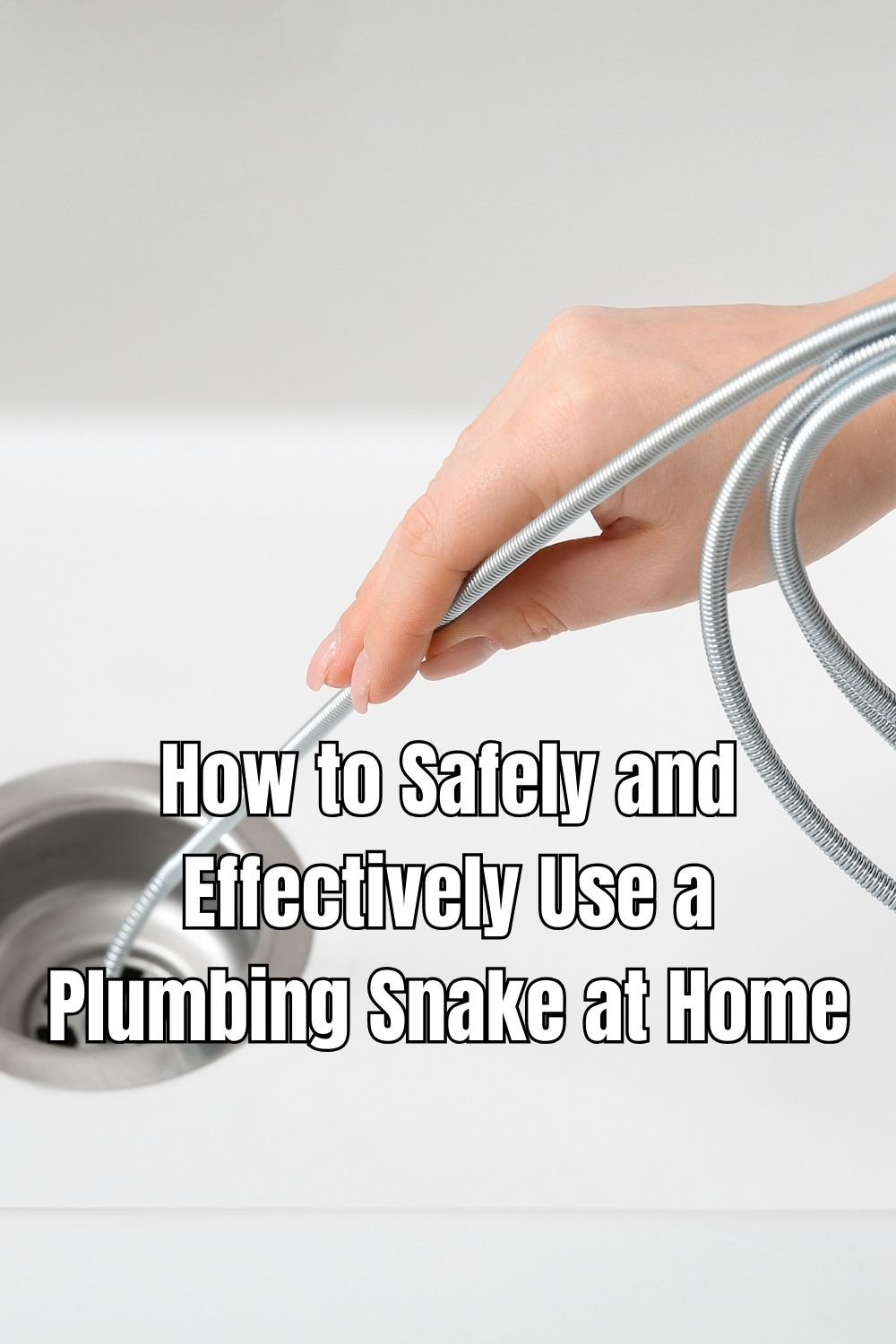
How to Safely and Effectively Use a Plumbing Snake at Home
Key Takeaways
- Understand the different types of plumbing snakes and their appropriate uses.
- Follow a step-by-step process to safely clear drain clogs.
- Implement preventive measures to reduce the likelihood of future clogs.
Clogged drains are a common household issue, often caused by a buildup of hair, grease, soap residue, or small debris over time. While chemical cleaners are frequently used, they can be harsh on pipes and may not fully resolve deeper blockages. A plumbing snake, also known as a drain auger, offers a practical, hands-on solution that allows homeowners to clear clogs mechanically rather than chemically. When used correctly, this simple tool can restore proper drainage while helping maintain the integrity of household plumbing systems.
Understanding how to use a plumbing snake safely and effectively is essential before attempting any drain-clearing task. Improper handling can damage pipes, worsen the blockage, or lead to unnecessary mess and frustration. This guide provides a clear overview of best practices, safety considerations, and common mistakes to avoid, helping homeowners approach basic plumbing maintenance with confidence and care.
Types of Plumbing Snakes
Plumbing snakes are not all the same, and choosing the right one for your specific clog and fixture is vital for effective and safe cleaning. Here are the most common types:
- Handheld Drain Augers: These compact devices are best for minor blockages in bathroom sinks, showers, and bathtubs. The flexible, slender cable allows you to reach and break apart most clogs without damaging pipes.
- Toilet Augers: Shaped to navigate the curves of a toilet trap, these augers prevent porcelain from scratching or cracking. Their unique design makes them the preferred tool for toilet blockages when a plunger is not enough.
- Electric Drain Snakes: For serious, deep-set clogs or those found in larger drain lines, electric snakes offer more power and reach. These are typically reserved for tougher jobs and can access deeper plumbing sections.
Knowing which auger to use can make a significant difference in avoiding pipe damage and ensuring a thorough clean.
Preparing to Use a Plumbing Snake
Proper preparation ensures a safe and clean snaking process. Before beginning, gather your tools and protective gear. Essentials include:
- An appropriate plumbing snake for your drain type
- Durable rubber gloves to keep your hands protected
- Safety goggles to prevent injury from any splashing debris
- A sturdy bucket to catch water and debris
- Old towels or rags to contain messes and clean up spills quickly
Clear all objects from your workspace and, if possible, place the bucket directly beneath the drain opening. This preparation helps you avoid unexpected spills and ensures the clog removal process goes smoothly.
Step-by-Step Guide to Using a Plumbing Snake
- Insert the Snake: Gently feed the snake’s cable into the drain opening. Continue advancing until you feel resistance. This usually means the snake has reached the clog.
- Engage the Auger: Rotate the handle clockwise slowly. This action enables the coil at the end of the cable to snag or break up the blockage. Apply steady but gentle pressure and avoid forcing the auger further, as this could damage pipes.
- Retrieve the Snake: Carefully reverse the motion to withdraw the snake from the drain. As you pull it out, be prepared for debris or water to follow. Use your rags and bucket to contain any mess, and dispose of the debris safely.
- Test the Drain: Once the snake is removed and the visible blockage is cleared, run hot water through the drain for a few minutes. This final step helps flush out any remaining loosened debris and confirms the drain is flowing freely.
If you are unsure about the process, many homeowners find video tutorials valuable when visualizing each step.
Safety Precautions
Safety should always be your top priority when using a plumbing snake. To protect yourself and your plumbing, wear gloves and goggles to shield against sharp debris and possible splashback. Never force the snake if it gets stuck, as this can damage your pipes or break the tool. Additionally, avoid using chemical drain cleaners before or after snaking, as chemical reactions can lead to skin burns or release harmful fumes. Before each use, inspect the snake for any defects or damage; using a compromised tool can worsen the clog. By regularly checking your equipment and consistently using personal protective gear, you can complete basic plumbing tasks safely and effectively.
When to Call a Professional
Not all clogs can be fixed with a plumbing snake. When you have repeated blockages, multiple affected drains, or signs of a more extensive plumbing issue, it is best to consult a licensed plumber. Professional plumbers have access to advanced tools, such as hydro-jetters and camera inspections, that accurately diagnose and resolve challenging problems. Persistent or recurring clogs may indicate root infiltration, pipe breaks, or other underlying issues that require professional intervention for proper resolution.
Preventing Future Clogs
Most household drain clogs are preventable with a few simple habits and periodic maintenance. To avoid blockages, take these steps:
- Install drain strainers in all sinks and showers to catch hair and large particles before they enter your pipes.
- Never pour grease, fat, or cooking oil down your drains. These substances cool and solidify, contributing to stubborn blockages.
- Use a monthly cleaning routine of baking soda followed by vinegar, then hot water, to keep drainpipes clear and odor-free.
- Teach all household members about responsible disposal practices to protect your home’s plumbing.
Conclusion
Using a plumbing snake is an effective, hands-on method to tackle common drain clogs while avoiding harsh chemicals. By selecting the right type of snake, following proper procedures, and observing safety precautions, homeowners can restore proper drainage and maintain the integrity of their plumbing system. Coupled with preventive habits such as using drain strainers and properly disposing of grease and debris, these practices help reduce future blockages, minimize costly repairs, and keep household plumbing running smoothly.
Leave A Reply!