Learn how to recognize the signs of addiction in a loved one and understand the early flags that can indicate a problem.
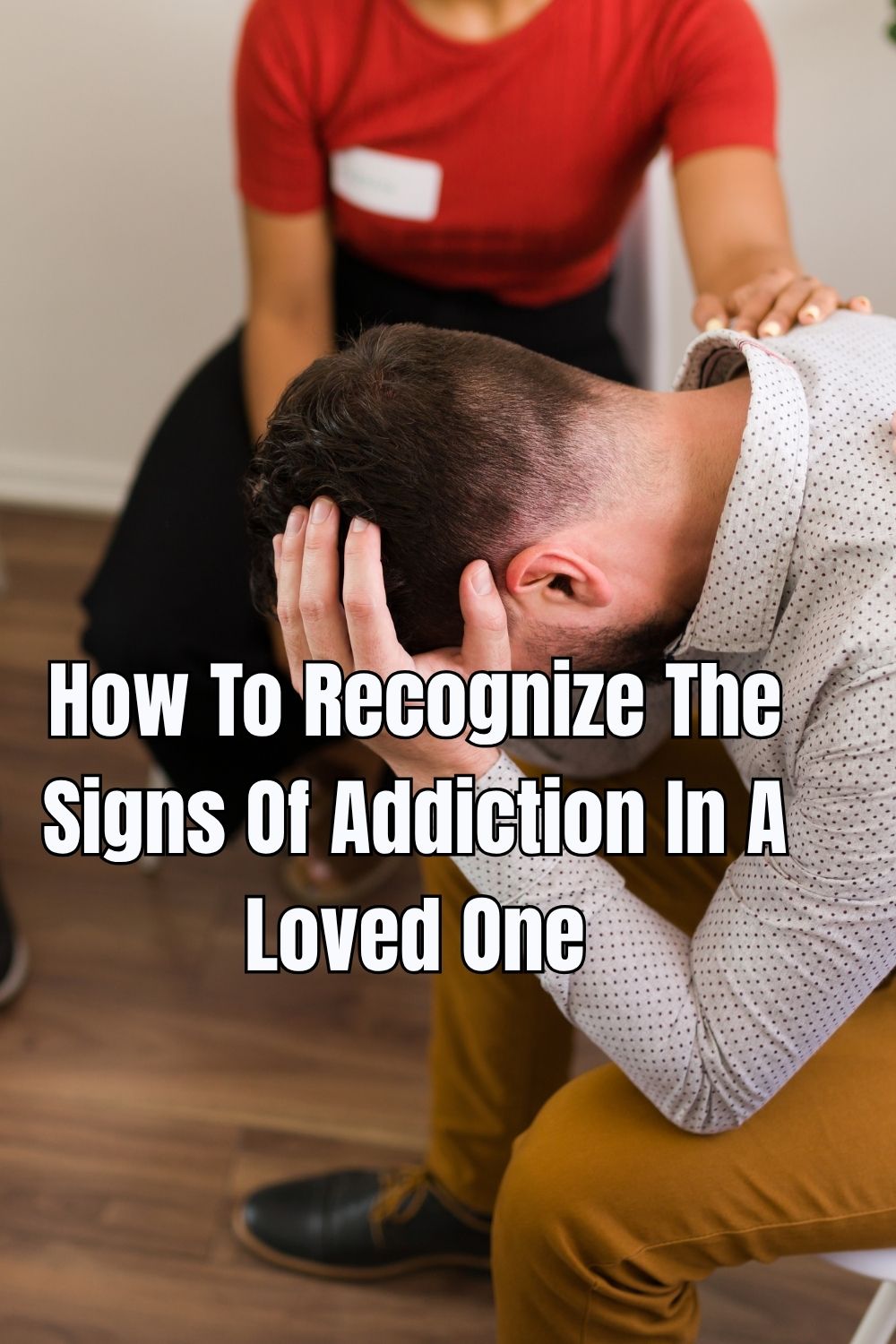
How To Recognize The Signs Of Addiction In A Loved One
Watching someone you care about change can be a scary experience. You might notice small shifts in their behavior or routine that do not quite add up. Early flags often feel like a gut feeling before they become obvious problems. Trusting your instincts is a big part of the process. If something feels wrong, it is worth looking closer at the situation. Addiction can hide in plain sight for a long time.
Physical Changes To Watch For
A person’s appearance often changes when they struggle with substances. You might see them looking tired or neglecting their personal hygiene. Weight loss or gain can happen quickly without a clear reason. They might wear long sleeves in hot weather to hide marks, too.
Physical symptoms often point toward a deeper issue. A health report explained that signs can include slurred speech, tremors, or a staggering walk. Red flags suggest that the body is struggling to function normally. Professional medical advice is helpful if the symptoms appear suddenly. Sudden changes in sleep patterns are quite common, too. Someone might stay up all night or sleep for 12 hours straight.
Behavioral Shifts In Daily Life
Addiction often forces people to change their social circles and habits. They might stop hanging out with old friends and start seeing a new group. Privacy becomes a huge priority, and they may start locking doors or hiding their phone.
Early intervention can make a massive difference in long-term health outcomes. Finding reliable substance abuse treatment helps families navigate the difficult road toward sobriety. Professional support offers a structured environment for healing and recovery.
Mood swings are another major indicator to monitor closely. One minute they are happy, and the next they are angry or depressed. Emotional rollercoasters make it hard to maintain a steady relationship.
Financial Red Flags And Choices
Money issues often follow addiction closely as the cost of substances adds up. You might notice a loved one asking for loans or failing to pay their bills. Small amounts of cash or valuables might even go missing from the home.
Priorities shift when a person is focused on getting their next fix. They may spend money on drugs instead of rent or food. It creates a cycle of debt and stress that is hard to break without help.
The impact of the financial choices reaches the whole family.
- Unexplained ATM withdrawals.
- Borrowing money from multiple people.
- Selling personal belongings.
- Losing a job due to poor performance.
Impact On Work And Education
Performance at school or work usually takes a hit during addiction. Constant absences or late arrivals become the new normal for many. They may lose interest in goals that used to matter to them.
The scope of the issue is larger than many people realize. A government report shared that 329,646 adults were in contact with treatment services in a single year. It shows that thousands of people are seeking help for these exact struggles.
Coworkers or teachers might notice a drop in focus or quality of work. When addiction takes over, the brain struggles to handle complex tasks. It leads to missed deadlines and increased tension in professional settings.
Emotional Distance And Isolation
It is common for people struggling with addiction to pull away from family. They might stop attending holiday dinners or weekend get-togethers. Isolation is a way to hide the extent of their use.
Communication becomes difficult when secrets are involved. You might feel like you are talking to a different person altogether. Distance creates a wall that makes it hard to offer support or love.
Safety is a major concern when addiction is present in a household. Research noted that fatal overdoses dropped 17 percent to about 94,000 in a recent period. Its decrease is positive, but it highlights how dangerous the situation remains.
Developing A Support Plan
Acknowledging the problem is the first step toward finding a solution. It is helpful to speak with other family members to form a united front. Having a plan ready makes the conversation feel less chaotic and more productive.
Focus on using “I” statements to avoid making the person feel attacked. Expressing concern from a place of love is more effective than using blame. The goal is to encourage them to seek professional guidance. It is helpful to listen without interrupting during tough talks.
Recovery is a long process that requires patience and persistence. There will be good days and bad days for everyone involved. Staying committed to the plan helps provide the stability needed for lasting change, which is the key to success.Recognizing the signs is an act of love and courage. It takes strength to face the reality of addiction in someone you care about. By staying observant, you provide a chance for them to find a better path.
Support is available for you and your loved one at every step. You do not have to handle the burden on your own. Taking action today can lead to a healthier and brighter future for your entire family.
Leave A Reply!