Find essential tips on how to raise a child with poor or no hearing and ensure they lead a fulfilling life.
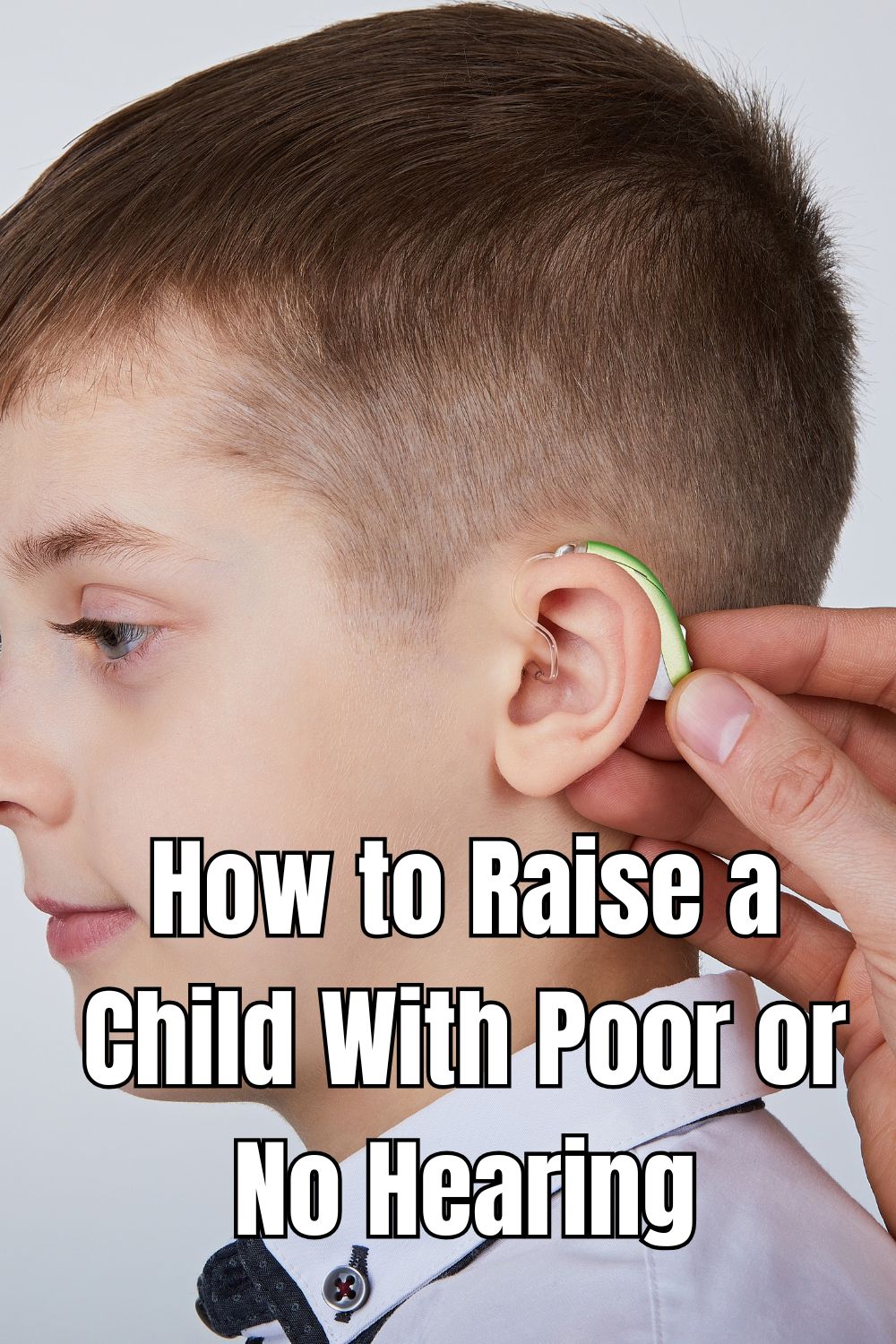
How to Raise a Child With Poor or No Hearing
As parents, we have to deal with whatever comes our way, even if it’s not what we expected. For some families, especially those with no past history of hearing issues, it can be difficult to manage when raising a child with significant hearing loss. This isn’t to say that your child can’t have a full and rich life; it just means that you might have to be more flexible when raising them.
Here are a few tips to help parents make sure that their children with poor hearing can get the most out of life.
Early Diagnosis
Deafness or profound hearing loss can be diagnosed very early in childhood. This can be due to hereditary hearing loss or improper development of the ear before birth, or it could be because of medical problems during or soon after birth, like an infection.
A common cause of temporary hearing loss in early childhood is glue ear, where the ear canal fills with fluid. If untreated, this can cause further damage to the hearing.
Most newborns are screened for their hearing before they leave the hospital. This allows for early diagnosis, as children who fail the screening can get further tests early on. Signs of hearing loss in infants and toddlers include:
- A failure to react to loud sounds
- Not turning to look when you speak
- A lack of babbling or baby speech
- Slowed or nonexistent speech development as a toddler
The sooner you get a diagnosis, the sooner you know how to help your child.
Hearing Aids
Depending on the cause of hearing loss, you may be able to get hearing aids for your child. Hearing aid comfort and design are important for anyone who has to wear them a lot, but even more so for your child.
You will need to get regular hearing tests and checkups, and as your child grows, they will need to get different hearing aids to fit their growing ears.
Sign Language
If your child can’t wear hearing aids or you decide against giving them hearing aids, it’s important to teach them how to communicate. Even if hearing aids or a cochlear implant are an option, it’s still a good idea to consider communication methods that don’t require hearing.
Sign language is widely used among the Deaf community. Different countries have different sign languages, but the most commonly used sign language for English speakers is ASL. As well as being used by people with hearing loss, sign language is also commonly used among people who are non-verbal or who want to communicate without making a sound in certain situations.
Dealing With Loneliness
One of the most common issues that deaf children face is loneliness. It’s much harder to communicate with hearing people and, even if they have hearing aids, your child might feel different than other kids. This can have a negative effect on their mental health.
Getting involved in the Deaf community can help your child as they meet other people who have the same experiences as them. This can make it easier for them to make friends and feel a part of something larger than themselves.
Leave A Reply!