Learn how to prepare for a family trip to Oregon with essential tips for planning, packing, and scheduling your adventure.
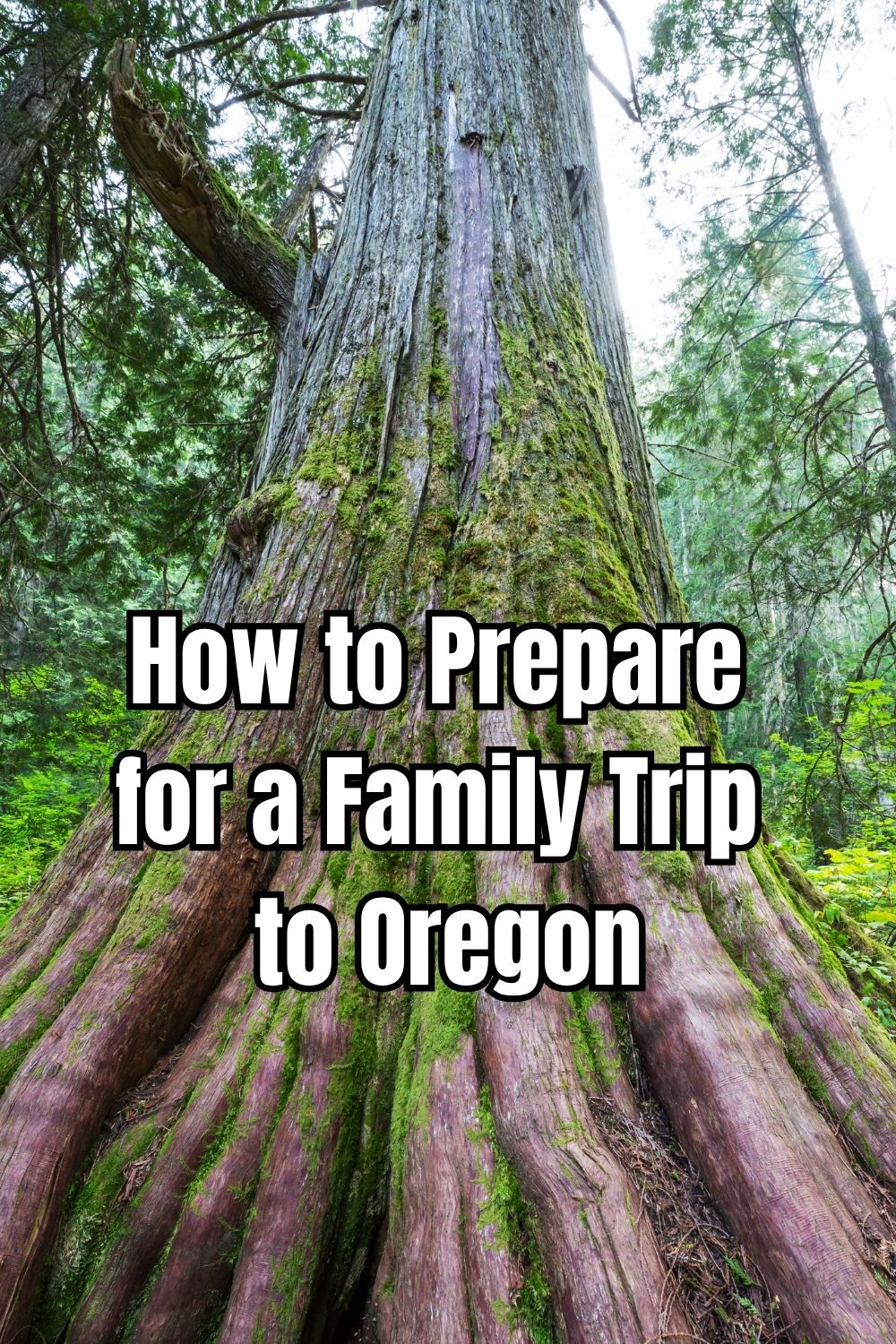
How to Prepare for a Family Trip to Oregon
Have you ever tried planning a family trip and realized the preparation almost feels like a project at work? Between schedules, packing lists, and finding the right place to stay, travel planning can become complicated quickly. Oregon makes the effort worthwhile because the state offers beaches, forests, lakes, and small towns that welcome families. In this blog, we will share how to prepare for a family trip to Oregon so the journey runs smoothly from start to finish.
Plan the Basics Before the Trip Begins
A successful family trip begins long before anyone packs a suitcase. Travel trends across the United States show that families now spend more time planning vacations carefully because transportation costs and busy work schedules leave little room for last-minute confusion. A bit of organization early on prevents stress later.
Start by deciding the timing of your trip. Oregon’s weather varies depending on location, and families often plan around school breaks or summer travel seasons. Summer remains popular because coastal towns host festivals, outdoor markets, and community events. Early fall also works well since the weather stays comfortable while tourist crowds begin to thin.
Transportation planning deserves attention next. Families traveling from neighboring states often drive because the scenic routes through Oregon’s forests and valleys add to the experience. Those flying into Portland or Eugene should consider rental vehicles since many attractions sit outside major cities. A car provides the flexibility needed for beach visits, hiking stops, and small-town restaurants.
Once transportation is set, lodging becomes the most important decision. If you’re looking for vacation rentals Lincoln City Oregon has several excellent options that allow families to spread out, cook meals, and enjoy ocean views together. Formed from five coastal communities that blend into one lively beach town, the area carries a creative spirit where colorful glass floats appear along the shore during special hunts and summer kite festivals bring thousands to the coast.
Lincoln City also places families close to natural attractions that reward early planning. Drift Creek Falls offers a memorable hike through Oregon’s coastal forest where a suspension bridge rises above a dramatic waterfall, while Cascade Head provides wide coastal trails with views stretching toward Devil’s Lake, Cape Foulweather, and the Pacific. Nearby waters at Devil’s Lake and Siletz Bay create calm areas for swimming, kayaking, and fishing.
Families who book accommodations early often find better availability during busy travel months. Having a comfortable base makes daily planning easier because everyone can return to the same relaxing space after exploring the coast.
Build a Flexible Travel Schedule
Many families approach vacation planning with the same mindset used for a work calendar, trying to schedule every hour. Oregon rewards a different approach. A flexible schedule leaves room for spontaneous stops and discoveries, which often become the best memories.
Begin by identifying a few major experiences you want to include. These might involve coastal beach walks, forest hikes, or visits to small towns along Highway 101. Once those anchor activities are set, fill the remaining days with lighter plans that allow room for weather changes or unexpected opportunities.
For example, Lincoln City offers a mix of relaxed activities and local attractions. Families can enjoy breakfast at Delish Espresso Bar before heading out for a morning walk along the shoreline. Later in the day, stops at Shucker’s Oyster Bar or a visit to Chinook Winds Casino Resort add variety for adults while still keeping the trip relaxed.
Educational stops also add depth to the journey. The North Lincoln County Historical Museum shares stories about the region’s maritime past and local culture. Nature trails such as Regatta Nature Trail or Spyglass Ridge Trailhead provide quiet areas where families can stretch their legs while learning about the coastal environment.
Planning breaks between activities becomes especially helpful when traveling with children. Time spent relaxing at the beach, watching waves, or exploring tide pools balances out busier sightseeing days.
Pack With Oregon’s Landscape in Mind
Packing for Oregon requires a bit of strategy because the state’s landscapes bring changing weather conditions, even during summer. Families who prepare properly stay comfortable whether they are hiking through forests or walking along windy coastlines.
Layered clothing works best. Light jackets, long sleeves, and comfortable hiking shoes handle most outdoor activities. Even warm days along the coast can shift quickly once ocean winds pick up. Bringing layers keeps everyone comfortable without needing to return to the car for clothing changes.
Outdoor gear improves many family experiences in Oregon. Reusable water bottles, small backpacks, and basic hiking supplies help during nature excursions. Many trails around the coast and forests remain accessible to beginners, yet having simple gear keeps families prepared for longer walks.
Beach supplies also deserve a place on the packing list. Towels, sand-friendly footwear, and small buckets or kites add fun during coastal visits. Children especially enjoy searching for shells or watching colorful kites along the shoreline.
Families traveling with cameras or smartphones should also prepare for scenic opportunities. Oregon’s landscapes create natural photo moments around almost every corner, from misty forests to wide ocean views. Extra phone chargers or portable battery packs keep devices ready throughout the day.
Prepare for Local Experiences
Part of preparing for a family trip involves understanding the local culture and activities waiting at the destination. Oregon communities value outdoor recreation, local food, and artistic traditions, which means travelers often encounter experiences that feel both welcoming and unique.
Food planning adds excitement to the trip. Many coastal towns feature small cafés, seafood restaurants, and bakeries that highlight regional ingredients. Trying local dishes becomes part of the adventure, especially when families balance restaurant visits with simple meals back at their lodging.
Nature activities also play a central role in Oregon travel. Families often spend mornings hiking forest trails before moving toward the beach in the afternoon. This rhythm works well because temperatures stay cooler in wooded areas early in the day.
Checking local event calendars before the trip can also reveal seasonal festivals or markets. Summer in coastal Oregon often includes art shows, live music, and community celebrations that bring visitors and residents together.
Parents traveling with children benefit from discussing the trip ahead of time as well. Showing kids photos of beaches, forests, and hiking trails builds excitement while helping them understand what to expect. When children feel involved in planning, they approach the trip with more curiosity and patience.
Preparing for a family trip to Oregon does not require complicated planning, but thoughtful preparation improves every stage of the experience. Choosing the right lodging, creating a flexible schedule, packing with the landscape in mind, and learning about local activities help families travel confidently. With preparation complete, the focus shifts to what matters most: enjoying the coast, forests, and welcoming communities that make Oregon such a memorable place for family travel.
Leave A Reply!