Learn how to create a minimalist small bedroom decor that balances style and function, making your space a personal sanctuary.
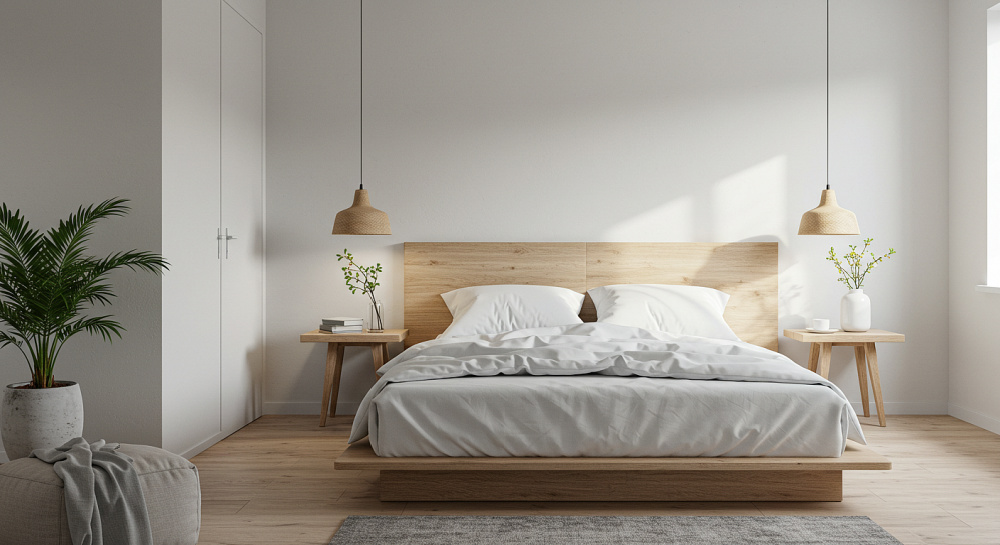
How to Create a Minimalist Small Bedroom Decor: A Stress-Free Guide
Does your bedroom feel more like a storage room than a peaceful retreat? You’re certainly not alone. Over 90% of UK residents report having clutter in their homes, and bedrooms often bear the brunt of our busy lives.
Your bedroom should be your personal sanctuary – a space where you can truly unwind and recharge. That’s exactly where minimalist bedroom design comes into its own. The numbers speak for themselves: 68.6% of people say creating a calm feeling is the most important aspect of interior design, with nearly 60% choosing minimalist décor over maximalist styles.
Whether your bedroom is the size of a postage stamp or you simply crave a more serene sleeping environment, this guide will show you exactly how to make it happen. You’ll discover how the right colour choices can make your space feel twice the size, learn which furniture pieces work hardest in small spaces, and pick up clever storage tricks that keep everything tidy yet accessible.
Ready to create a minimalist bedroom that feels both spacious and wonderfully peaceful? Let’s get started.
Start with the right colour palette
The colours you choose for your bedroom can make the difference between a space that energises and one that soothes. Studies show that bedroom colours can significantly impact your quality of sleep and overall wellbeing – so getting this foundation right is crucial for your minimalist bedroom design.
Choose soft neutrals like white, beige, or grey
Soft neutral colours form the backbone of minimalist bedroom design, creating spaces that feel open, light and beautifully tranquil. These shades work by reflecting natural light, making even the smallest bedrooms appear more spacious. Rather than defaulting to brilliant white (which can sometimes feel stark and clinical), consider these gentle alternatives:
- Soft whites with warm undertones like ivory or cream
- Gentle beige tones such as taupe or sand
- Light greys with blue or warm undertones
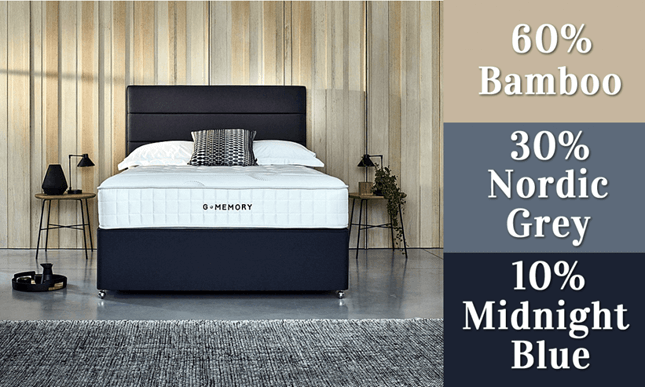
The trick? It’s all about keeping things simple whilst embracing natural imperfection. Design experts recommend earthy, natural paint colours, not just whites and greys. Colours like Beige 02 and Beige 03 paired with Greige 01 and White 02 can create a soothing, tranquil feel—precisely what many of us need in our bedrooms.
Neutrals aren’t simply a safe choice; they’re purposeful. They create what designers call “a sense of space, light, and serenity”, essentially functioning as a visual palate cleanser that allows your mind to unwind after a busy day.
Layer similar tones for depth
Once you’ve established your base neutral, layering becomes your secret weapon for creating a cosy minimalist bedroom that avoids feeling flat or sterile. As interior designer Samantha Stathis puts it, “Neutrals shouldn’t equate to boring. Rather, they should produce a luxurious, refined space that feels warm and textured”.
Here’s how to master this technique:
Choose a warm taupe or creamy beige as your backdrop. Then, paint woodwork in the same colour but several tones darker to create what designers call a “warm and cosy” effect that feels like the room is “wrapping around you”. This technique, sometimes called “tonal layering,” creates visual interest without introducing contrast that can disrupt the minimalist vibe.
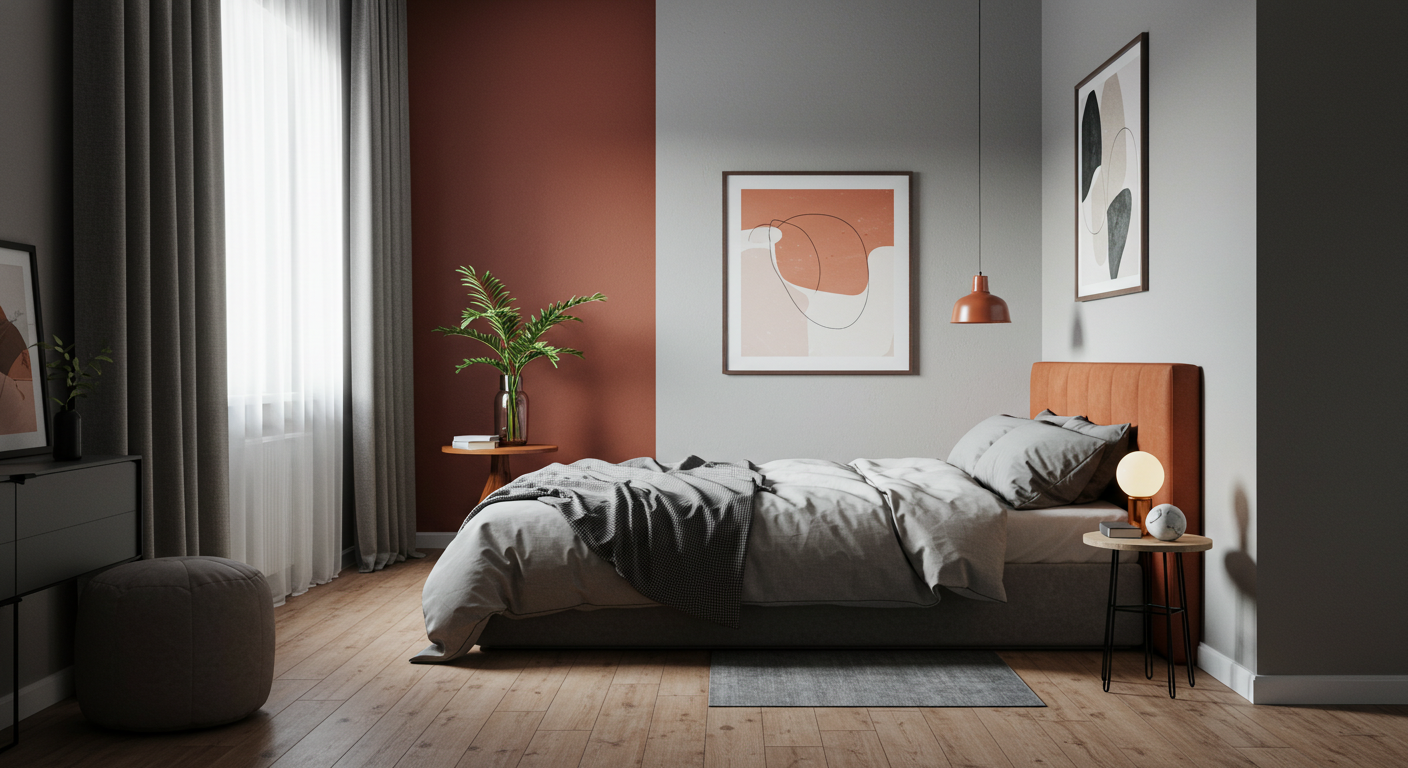
Takeaway Tip: You might split walls horizontally with two complementary shades—one from pale tones and another from mid-tones—to create a relaxed look reminiscent of a natural horizon.
Avoid overly bright or dark colours
When establishing your minimalist bedroom palette, certain colours deserve caution. Particularly when dealing with limited space, bright and vivid shades can easily overwhelm and make your room feel busy rather than peaceful.
As design experts note, “When you wake up to a grey bedroom, it’s almost like waking up to a grey day every morning”. If choosing grey, opt for warmer, beige-toned greys while avoiding any with cool, blue undertones.
Consider the natural light in your bedroom before finalising your palette. Designer Andrew Griffith explains, “If you’ve got a room with little light, avoid cool tones and either opt for something warm and light or lean into the lack of light with a dark and moody colour”.
Remember, your minimalist bedroom should serve as a personal sanctuary—a place where you can truly relax and recharge. The right colour palette sets the stage for everything else to follow.
Choose furniture that earns its keep
Your furniture choices can make or break a small bedroom. The right pieces don’t just look good – they work twice as hard, serving multiple purposes whilst creating that spacious feel you’re after.
Go low with platform or floating beds
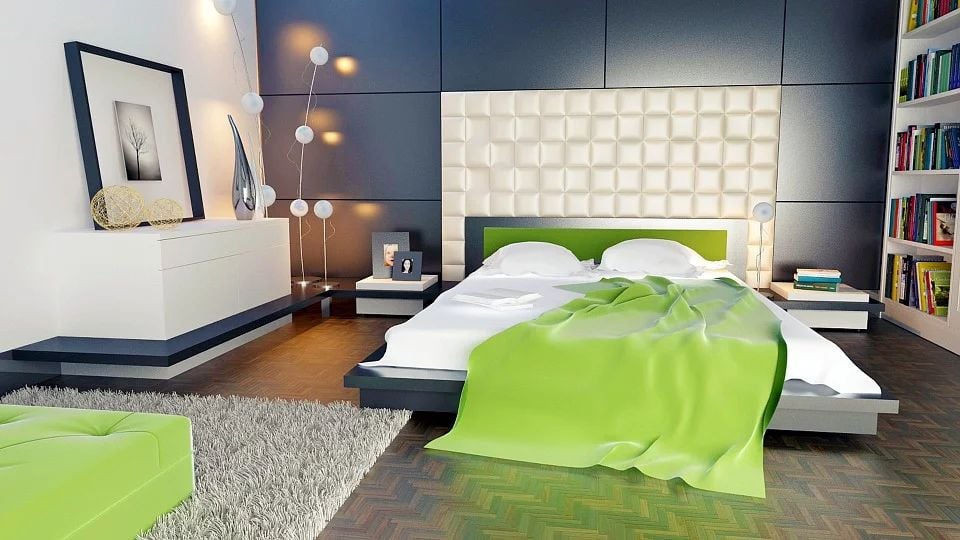
Pictured: Low platform bed, blue and greens can promote health and vitality according to Feng Shui principles.
A low platform bed instantly opens up your space. There’s something magical about how these streamlined designs create an airy, uncluttered atmosphere that’s perfect for minimalist bedroom design. You’ll love how they ditch the bulky box springs in favour of wooden slats, which means less creaking and better durability too.
Want to take things further? Floating beds are worth shouting about. These clever designs appear to hover above the floor using concealed support systems:
- They draw your eye upward, making the room feel taller
- The visible floor space underneath tricks the eye into seeing more room
- Those clean, unbroken lines fit perfectly with minimalist style
“Our low-rise bed frames and platform beds are ideal for loft rooms and those with limited mobility,” notes one manufacturer. Beyond looking fantastic, there’s a practical bonus – you can actually clean underneath them properly, with fewer awkward corners for dust to hide.
Pick bedside tables that hide your clutter
Bedside tables are the “unsung heroes” of bedroom furniture, keeping your essentials within arm’s reach. But in a minimalist bedroom, they need to pull double duty by offering both surface space and clever storage.
Skip the open shelving and choose bedside tables with drawers or cupboard doors instead. These compact storage champions let you tuck away books, phone chargers, medications, and all those other bits and pieces that would otherwise create visual chaos on display.
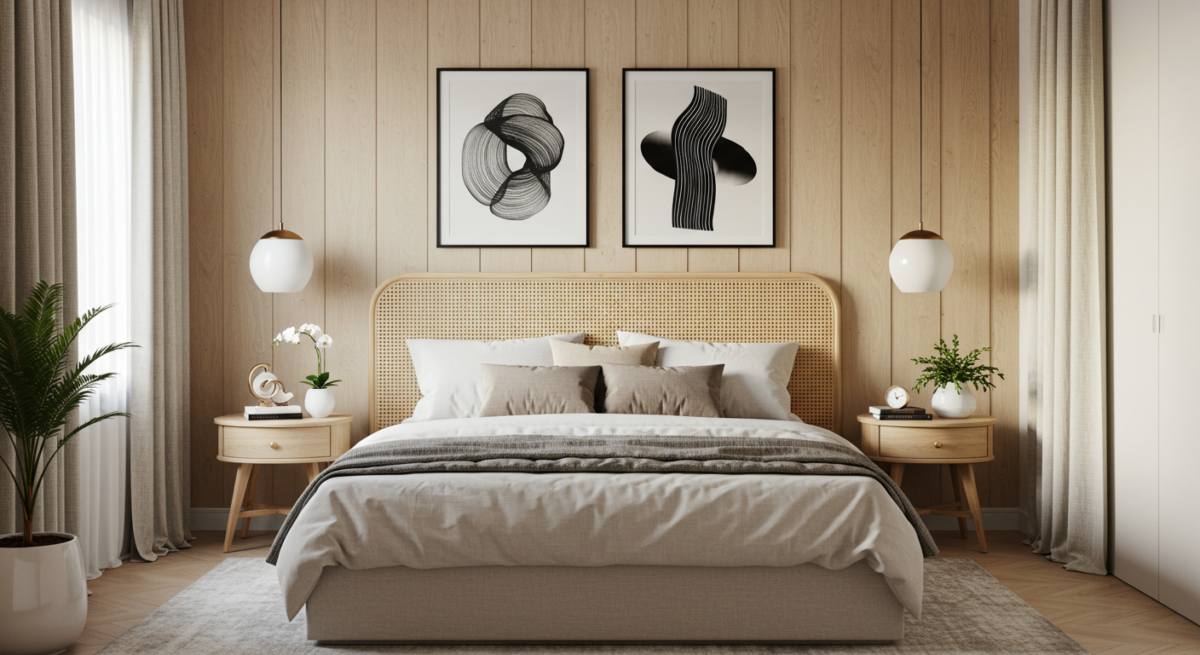
Here’s a bonus: items stored in drawers or small cupboards won’t gather dust like they would on open surfaces. It’s exactly the kind of low-maintenance approach that makes minimalist living so appealing.
Make every piece count with storage benches
Storage benches represent the ultimate in smart furniture – they’re seating, storage, and style rolled into one. Pop one at the foot of your bed and you’ll get:
- A handy perch for getting dressed
- Hidden storage for spare bedding or seasonal clothes
- A visual anchor that balances your room’s proportions
“Most beds have so much wasted space sitting underneath them,” explains one expert. Pair your low-profile bed with a storage ottoman or bench to make the most of this area. These versatile pieces can hold everything from extra blankets to electronics.
For maximum space efficiency, look for ottomans that multitask. As one manufacturer notes, these pieces offer “exceptional value because one piece serves 3-4 functions (seating, footrest, storage, occasional table)”.
Remember, every piece in your minimalist bedroom should justify its place through both looks and function. Choose furniture that serves multiple purposes whilst maintaining those clean lines, and you’ll create a space that feels beautifully organised and surprisingly spacious.
Get your layout right for perfect flow
Once you’ve chosen your colours and furniture, it’s time to arrange everything thoughtfully. Even the most beautiful pieces can make your space feel cramped if they’re not positioned properly. The right layout creates that effortless flow essential for a truly relaxing bedroom.
Make your bed the star of the show
Your bed is naturally going to be the largest piece in your room, so let it take centre stage. Position it along the longest wall to create a solid foundation for your minimalist bedroom design. This simple placement trick instantly makes your room feel more balanced and spacious.
Symmetry is your friend when it comes to creating a peaceful space. Try these placement ideas:
- Position the bed between two windows for natural balance
- Centre it between built-in shelves or architectural features
- Use matching pieces on either side for visual harmony
“It’s a good idea to place your bed symmetrically to create a peaceful bedroom,” note interior design experts. When your eye can rest naturally on the bed without visual distractions, you’ll notice how much calmer the whole room feels.
Keep pathways clear and windows unblocked
Here’s where many small bedrooms go wrong – blocking natural movement through the space. You need at least two feet of walking space around your bed on all sides. This isn’t just about being able to move around; it’s about creating that sense of openness that makes minimalist design work so well.
“Make sure not to block natural pathways through your bedroom, especially to the bathroom,” advise layout specialists. “Make it easy to walk from place to place.” Keep access to your wardrobe, drawers, and other storage completely clear too.
Your windows deserve special attention. They’re your main source of natural light – absolutely precious in any bedroom. As design experts note, “Inviting daylight into your space enhances its utility and delivers ambience”. Don’t let furniture block those beautiful rays, especially if you’re lucky enough to have a lovely view to wake up to.
Leave some walls bare for breathing space
Sometimes what you don’t put in your bedroom matters just as much as what you do. Empty walls create what designers call “negative space” – and it’s absolutely essential for minimalist bedroom design.
“In small bedrooms, energy can feel stuck, crowded, or overwhelming,” explain design specialists. The solution? Leave some walls completely bare. Your eyes need somewhere to rest, and your mind needs space to unwind.
Even when every square inch feels precious, resist the urge to fill every corner. As one designer puts it, “If in doubt, it’s always a good idea to keep some walls completely clear. This gives the essential furniture pieces in the room enough space to fulfil their functional purpose”.
Remember, thoughtful arrangement is what separates a truly peaceful bedroom from one that simply looks tidy. Get your layout right, and you’ll create that calm, uncluttered feeling that makes minimalist bedrooms so wonderfully restful.
Smart storage keeps your minimalist bedroom clutter-free
Storage solutions form the backbone of every successful minimalist bedroom. The trick lies in finding clever ways to tuck everything away whilst keeping your space feeling calm and uncluttered.
Make the most of under-bed space and built-in options
That space beneath your bed is prime real estate for storage that won’t disturb your room’s serene aesthetic. Ottoman beds (pictured below) lift your mattress to create generous space for items you don’t need daily – perfect for folded clothing or out-of-season shoes and jackets that would otherwise crowd your wardrobe.
Natural woven baskets work beautifully for under-bed storage:
- Natural fibres let air circulate, keeping linens and cotton items fresh and dry
- Low, wide designs slide effortlessly under beds
- Sturdy handles make access simple
Built-in wardrobes offer a more permanent solution that maximises every inch. These bespoke designs span from wall to wall and floor to ceiling, giving you up to 40% more storage than freestanding alternatives. Got an awkward room with sloped ceilings or a chimney breast? Built-in wardrobes can be customised to fit perfectly, ensuring no space goes to waste.
Go vertical with wall-mounted solutions
Wall-mounted pegboards create versatile storage that adapts as your needs change. These practical organisers can hold everything from jewellery to small accessories.
What makes pegboards perfect for minimalist bedrooms is their flexibility. You can easily rearrange hooks, small shelves and accessories to accommodate different items as needed. Want a seamless look? Paint your pegboard to match your wall colour, turning functional storage into a subtle design feature.
Keep surfaces clear with hidden compartments
Clear surfaces are essential for minimalist design, and that’s where ottoman beds truly shine. Lift the mattress to reveal generous storage space – ideal for spare bedding, towels or seasonal items.
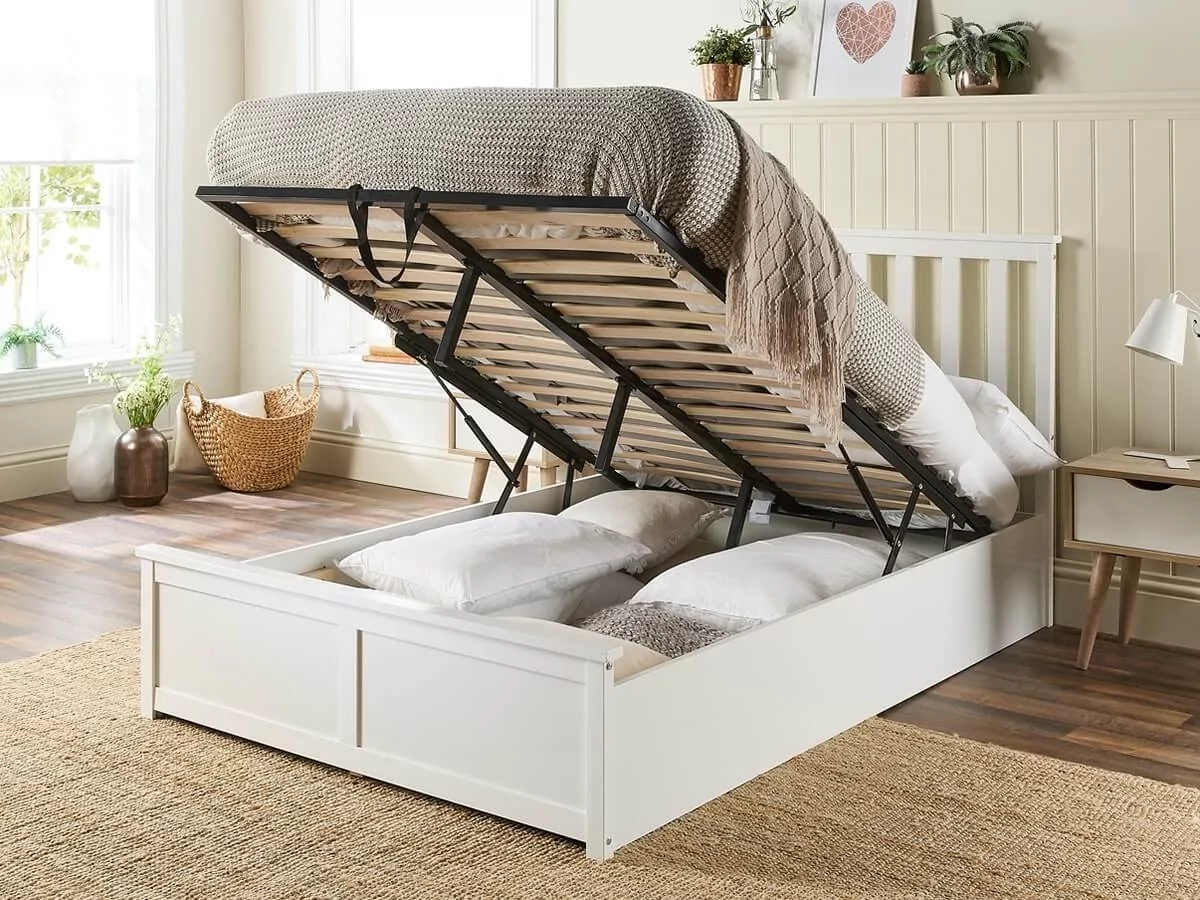
Image credit Bedstar: The Timberland Ottoman Bed
Look for opportunities to choose furniture that works twice as hard. Storage benches provide comfortable seating whilst hiding items inside, and headboards with built-in shelving offer convenient storage without adding extra furniture pieces.
Smart storage allows you to maintain that serene, uncluttered environment essential for good sleep whilst keeping everything you need within easy reach yet beautifully concealed.
Add the finishing touches that make your space feel like home
Here’s where your minimalist bedroom gets its personality. Texture and lighting are your secret weapons for creating warmth without adding clutter – they’ll turn your pared-back space from stark showroom into a cosy retreat you’ll love spending time in.
Choose natural fabrics that work as hard as they look good
Natural bedding fabrics are worth their weight in gold for minimalist bedrooms. Linen bedding tops our list thanks to its incredible moisture-absorbing qualities – perfect if you’re someone who gets too warm at night. Even better? That beautifully rumpled look means you can wave goodbye to ironing your sheets.
Cotton offers breathable comfort, while wool brings rich texture that feels luxurious against your skin. Textile designer Sabra Ballon gets it right when she says: “Stick to neutral tones and simple patterns, considering linen or cotton for a light, airy feel”.
Don’t underestimate how much difference quality bedding makes. These natural materials feel wonderful and look effortlessly elegant – exactly what you want in a minimalist space.
Layer your lighting like a pro
Get your lighting wrong and even the most beautifully designed bedroom will fall flat. The secret? It’s all about layering, as lighting expert Rohan Blacker explains: “Layering your lighting is key to creating the perfect balance of warmth, cosiness and function”.
You’ll want three types of lighting working together:
- Ambient lighting for overall room illumination
- Task lighting for reading or getting dressed
- Accent lighting to create mood and atmosphere
Space-saving tip: Wall-mounted swing-arm lamps are brilliant for small bedrooms – they give you flexible task lighting without eating up precious bedside table space. For something with more visual impact, “pendant lights with textured shades or fixtures crafted from interesting materials can be sculptural additions”.
Bring the outdoors in with natural elements
Nothing warms up a minimalist space quite like natural materials. Designer Artem Kropovinsky puts it perfectly: “The texture of plants introduces a refreshing organic element, enhancing the overall design”.
Wood furniture with visible grain adds tactile interest while keeping those clean lines essential to minimalist style. These organic materials create beautiful contrast against smooth surfaces, giving your room depth without any complexity.
The beauty of natural elements? They add character and warmth without compromising the serene, uncluttered feel you’ve worked so hard to create.
Your minimalist bedroom journey starts now
You don’t need a design degree or a massive budget to create a minimalist bedroom that actually works. What you’ve learned throughout this guide proves that simple changes can make the biggest difference to how your space looks and feels.
The secret? Focus on quality over quantity. Keep only what you truly need and love in your bedroom. Those soft neutral colours you’ve chosen will create instant tranquillity, whilst your carefully selected furniture works harder to maximise every inch of available space. Smart storage solutions mean everything has its place – accessible when you need it, hidden when you don’t.
Don’t worry about your minimalist bedroom feeling cold or sterile. Natural textures, thoughtful lighting, and organic touches add personality without compromising that clean, peaceful aesthetic. Remember, you’re creating more than just a beautiful space – you’re designing a room that promotes better sleep, reduces daily stress, and supports your overall wellbeing.
Your bedroom should be your personal sanctuary, and now you have all the tools to make it happen. Whether your space is tiny or simply cluttered, these principles work regardless of size. Start with just one change today – perhaps clearing those bedside tables or switching to softer bedding – and you’ll be amazed how quickly your room begins to feel more spacious and serene.
Sweet dreams await in your new minimalist retreat.
Key Takeaways
Transform your small bedroom into a peaceful sanctuary with these essential minimalist design principles that maximise space whilst creating a calming environment.
- Start with soft neutral colours like warm whites, beiges, or greys to create visual spaciousness and promote better sleep quality.
- Choose multi-functional furniture such as low-profile beds with storage, floating nightstands, and storage benches to maximise every square inch.
- Maintain clear pathways and keep some walls bare to create visual breathing room and prevent the space from feeling cramped.
- Implement smart storage solutions like divan beds with under-bed drawers and built-in wardrobes to hide clutter whilst keeping essentials accessible.
- Add warmth through natural textures (linen bedding, wood furniture) and layered lighting rather than decorative accessories to maintain minimalist principles.
The key to successful minimalist bedroom design lies in choosing quality over quantity—every item should serve both a functional and aesthetic purpose whilst contributing to a serene, stress-free environment that promotes restful sleep.
Leave A Reply!