Learn how to choose the right implant size for your body type. Discover five key factors to simplify your decision-making process.
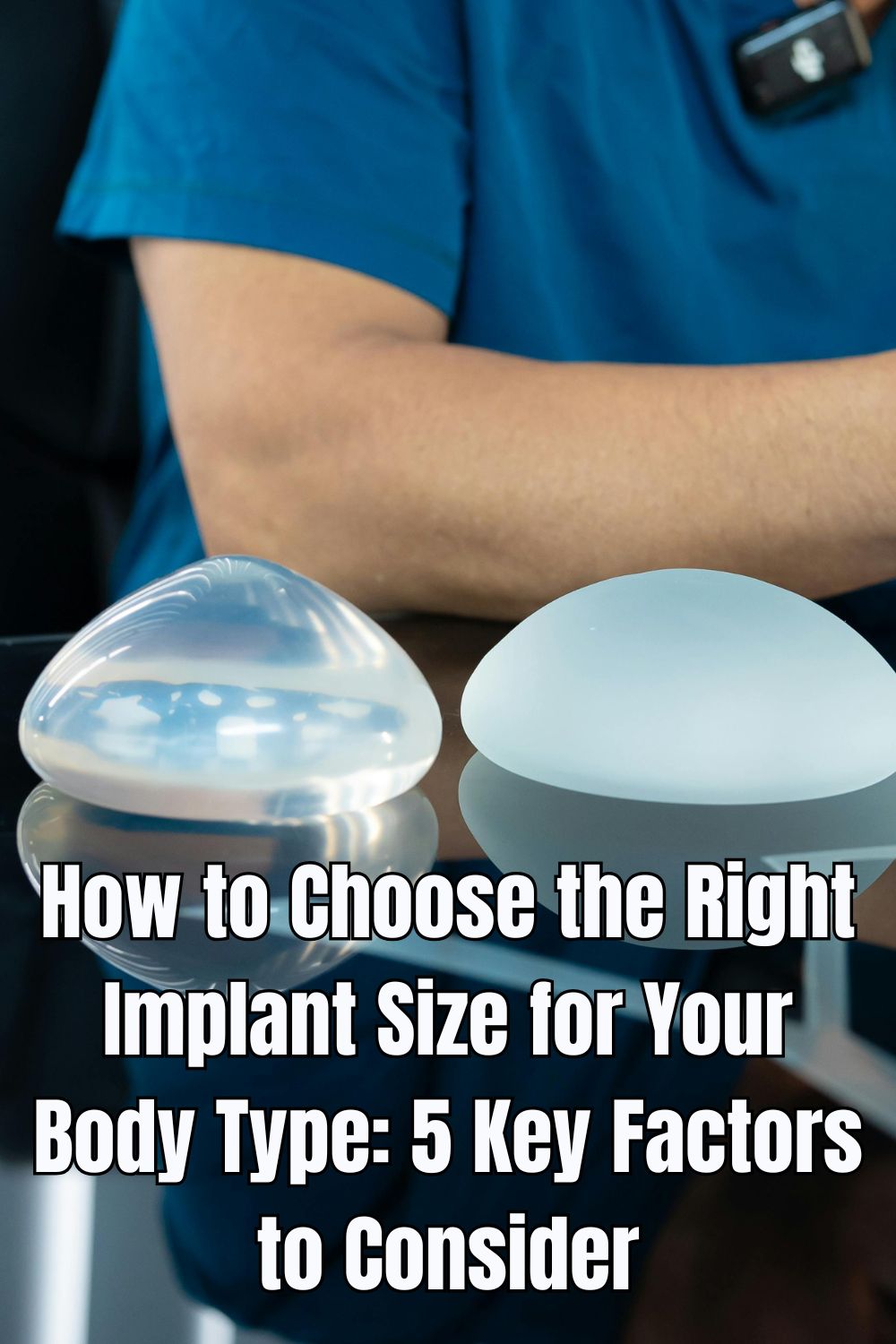
How to Choose the Right Implant Size for Your Body Type: 5 Key Factors to Consider
Choosing breast implant size can feel more confusing than expected. You start with a simple idea, maybe a reference photo or a number, and suddenly you are comparing options that do not quite translate in real life. There is always that lingering doubt. What if it looks too noticeable? What if it does not feel like enough? And what if it feels right now but not later? Even in places like Washington, where these conversations are common, most people still walk into consultations with more questions than answers.
That uncertainty usually comes from focusing only on size, when the decision is actually more layered. It is shaped by your body, your lifestyle, and how you want to feel over time. Breaking it down into a few clear factors makes the process easier to navigate without overthinking every detail.
1. Your Body Frame Sets the Foundation
Before thinking about implant size, it helps to understand your natural proportions. Height, shoulder width, ribcage shape, and existing breast tissue all influence how implants will sit on your body.
The same implant size can look completely different from one person to another. What feels balanced on a taller or broader frame might look overly prominent on a petite person. That is why choosing based on someone else’s results often leads to mixed feelings later.
Instead of starting with a number, it is more useful to think in terms of proportion. When the size aligns with your natural frame, the result tends to feel more cohesive rather than forced.
2. Shape and Projection Matter as Much as Size
Many people focus only on volume, but how that volume is distributed makes a noticeable difference. Two implants of the same size can create very different results depending on the projection. Projection refers to how far the implant extends outward from the chest, shaping how prominent or natural the outcome appears. People considering breast augmentation in Washington often realize that what they actually want is not simply “bigger,” but more balanced and proportionate. That shift in perspective usually changes how they evaluate size altogether.
Understanding projection alongside size helps explain why similar numbers can lead to different visual outcomes. This is something often discussed in clinical consultations, including those led by Dr. Christopher C. Chang, where the focus stays on aligning expectations with anatomical factors. It brings more clarity to the decision, especially for those trying to avoid results that feel either too subtle or overly pronounced.
3. Your Daily Lifestyle Plays a Bigger Role Than You Think
Implant size is not just about appearance. It also affects how you move through your day.
If your routine includes regular workouts, running, or physically active work, larger implants may feel restrictive over time. Even simple things like posture or comfort during long days can be affected. On the other hand, if your lifestyle is more relaxed, you may not notice those limitations as much.
It helps to consider practical details like:
- Your activity level
- The kind of clothing you wear most often
- Your work environment
These are not minor factors. They shape how comfortable and confident you feel long after the procedure.
4. Skin Elasticity and Existing Tissue Influence the Outcome
Your skin and natural tissue quietly determine how well an implant size will work for you. If your skin has good elasticity and there is enough existing tissue, it can support a wider range of sizes without looking stretched or unnatural. If the skin is thinner or less elastic, going too large too quickly can affect both appearance and comfort.
This is why some recommendations lean toward gradual changes instead of a significant jump in size. It allows the body to adjust while keeping the results looking more natural over time. Paying attention to these factors early can prevent the need for adjustments later.
5. Long-Term Comfort Matters More Than Immediate Results
It is easy to focus on how things will look in the first few weeks. But the more important question is how they will feel months and years down the line. Larger implants can add weight, which may place strain on the back, shoulders, and skin over time. Some people adjust easily, while others begin to notice discomfort they did not expect.
This does not mean choosing smaller sizes by default. It simply means finding a balance between visual goals and physical comfort. When both align, the results tend to feel satisfying, not just initially but over the long term.
Conclusion
Choosing the right implant size is not about finding a perfect number. It is about understanding how different factors come together to create a result that feels natural for you.
When your body frame, lifestyle, and comfort are all part of the decision, the outcome tends to feel more balanced and less uncertain. And that is usually what people are really looking for: something that fits seamlessly into their lives rather than standing apart from them.
Leave A Reply!