Learn how to choose the best online communication bachelor’s program that aligns with your career goals and interests.

How to Choose the Best Online Communication Bachelor’s Program
Table of Contents
- Understanding Your Career Goals
- Accreditation Matters
- Curriculum and Specializations
- Flexibility and Format
- Support Services
- Cost and Financial Aid
- Reputation and Alumni Network
- Technology Requirements
- Conclusion
Understanding Your Career Goals
Selecting the right online communication bachelor’s program starts with a clear understanding of your professional aspirations. Whether your interest lies in public relations, digital media, journalism, or corporate communications, knowing where you want your degree to take you is vital. This ensures you choose a curriculum tailored to your goals rather than one that meets generic requirements.
The field of communications is vast, and each specialization offers distinct opportunities and challenges. Before reviewing any program, ask yourself what sector excites you the most and which skills you hope to acquire. If you are seeking a highly regarded program, consider the flexible, comprehensive Bachelor of Science in Communication, available online, designed to equip students for success in varied communication careers.
Accreditation Matters
Accreditation is an essential factor when evaluating online degree programs. Enrolling in a regionally accredited university ensures you receive an education respected by employers and are eligible for further study. Accreditation also acts as a safeguard, indicating the institution maintains acceptable standards of academic quality and integrity.
Always check if respected accrediting agencies recognize the program. Accreditation status can often be found on a school’s website or verified through national databases, such as the Council for Higher Education Accreditation.
Curriculum and Specializations
Every online communication program is structured differently. Some provide a broad overview of the communications field, while others allow you to delve into specializations like media studies, organizational communication, or digital strategy. Explore the curriculum carefully. If you have a particular interest, such as crisis communication or content creation, look for schools that offer in-depth programs in these areas.
Electives and internships also set programs apart. An ideal program will offer flexibility in course selection and opportunities for hands-on experience, allowing students to align academic work with their future career objectives. Carefully reviewing course offerings and speaking with academic advisors can help determine the program’s fit with your ambitions.
Flexibility and Format
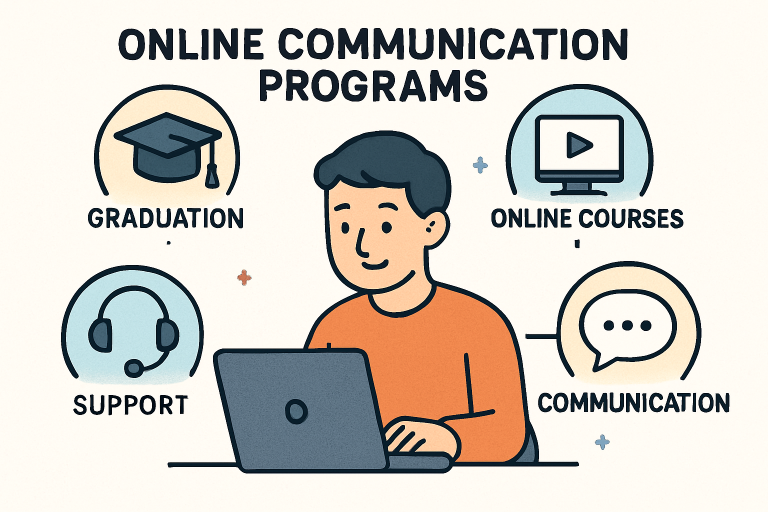
Online degree programs are known for their flexible learning options, but delivery formats differ. Asynchronous courses let you complete lessons whenever your schedule allows, while synchronous classes require logins at set times. The best format depends on your personal routine and preferred learning style.
Consider whether you can commit to real-time participation or if a self-paced design better suits your lifestyle. Flexibility should extend to deadlines, exam scheduling, and the pace of your progress through the program.
Support Services
The proper support goes beyond course content. Top online communication programs offer robust support services, including academic advising, career planning, technical assistance, and tutoring. These services play a critical role in student retention and graduation rates.
Look for programs that actively invest in student success through virtual office hours, networking opportunities, and interactive platforms. Adequate support enables you to overcome obstacles and excel, even while learning remotely.
Cost and Financial Aid
Tuition can vary significantly between institutions, so it’s essential to keep your financial circumstances in mind. Factor in extra expenses such as technology fees, books, and exam proctoring. Additionally, most accredited programs offer financial assistance through scholarships, grants, or federal loans.
Seek out schools committed to affordability and transparency. The FAFSA (Free Application for Federal Student Aid) is an excellent place to start and can help you unlock various types of aid for your academic journey.
Reputation and Alumni Network
The reputation of the program you choose can impact your job prospects. Research faculty credentials, student reviews, and employer feedback to assess a program’s standing in the industry. Many respected institutions highlight the career paths of their graduates, offering insight into what you might achieve with the degree.
An active alum network also brings considerable value. It connects you with professionals in the field who can provide guidance, mentorship, and job leads. According to U.S. News & World Report, a strong alum presence increases your chances of finding meaningful internships and first positions.
Technology Requirements
Reliable access to a computer, high-speed internet, and any required software are prerequisites for successful online study. While most programs use robust learning management systems for coursework, some may require advanced editing software, specific browsers, or particular hardware for media-focused courses.
Be sure to confirm technology requirements before enrolling. This preparation minimizes disruptions and allows for full participation in all aspects of the curriculum. For more on digital literacy demands in online learning, the Inside Higher Ed website provides helpful tips.
Conclusion
Selecting the best online communication bachelor’s program means carefully weighing your professional goals, verifying accreditation, exploring curriculum options, and ensuring the format fits your life. Do not overlook the importance of support services, comprehensive cost analysis, program reputation, and necessary technology access. Taking a thorough approach now lays the groundwork for a rewarding education and a successful career in the dynamic field of communication.
Leave A Reply!