Learn how River Oaks kids thrive with play-based learning, which nurtures social skills and meaningful interactions in early childhood.
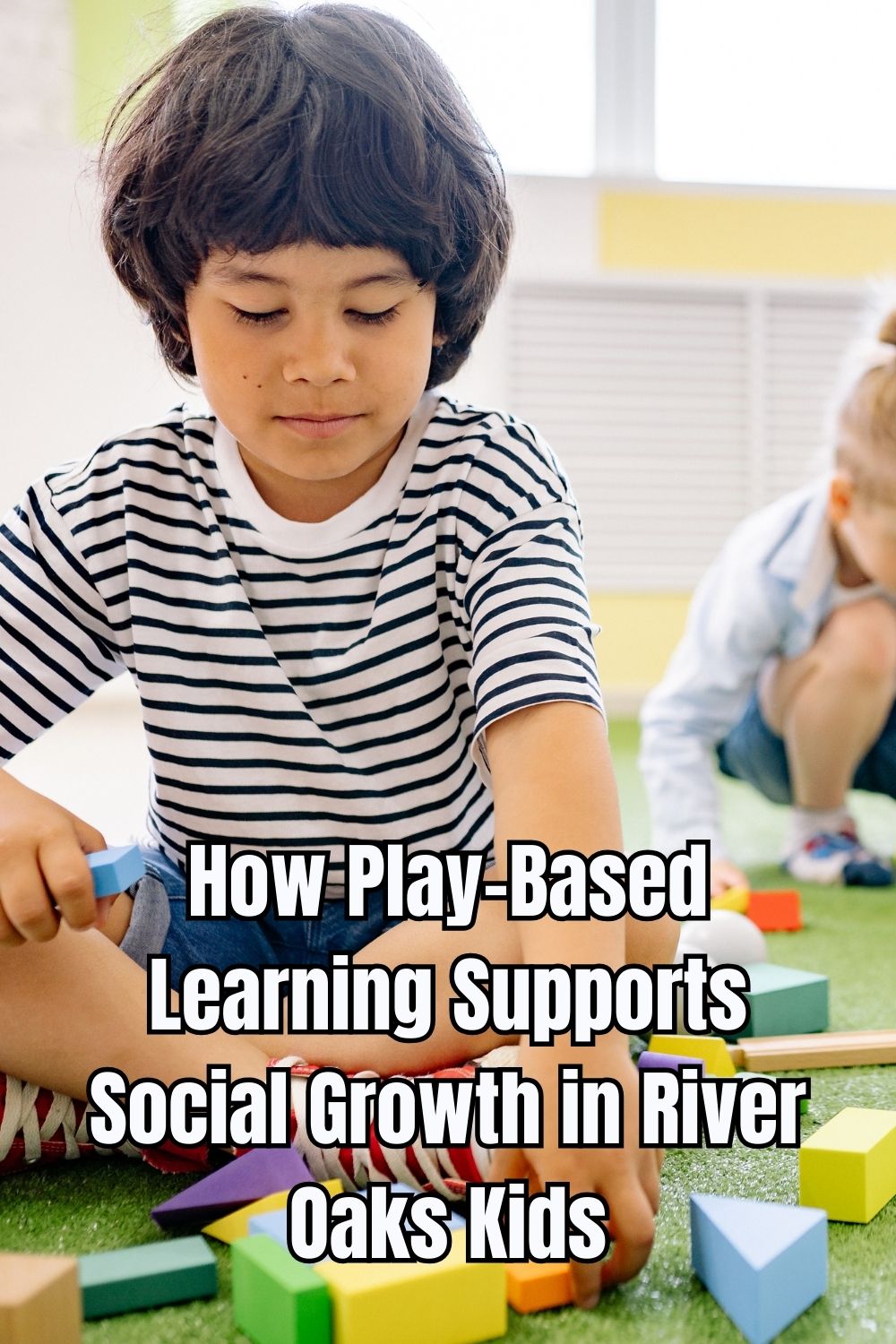
How Play-Based Learning Supports Social Growth in River Oaks Kids
Early childhood is a critical stage for developing communication, cooperation, and emotional awareness. In River Oaks, families place substantial value on educational environments that nurture these skills naturally rather than through rigid instruction. Play-based learning has become a trusted approach because it mirrors how young children explore relationships and understand the world around them.
When parents begin to visit a preschool in River Oaks, TX, they often notice classrooms designed around interactive play rather than desks or worksheets. This structure is intentional. Through guided play, children practice social behaviors in ways that feel engaging and meaningful, laying the groundwork for healthy peer relationships and long-term confidence.
Play as the Foundation of Social Development
Play is not simply entertainment for young children. It is a primary method of learning social rules, emotional expression, and problem-solving. During play-based activities, children negotiate roles, share materials, and respond to different personalities.
These experiences allow children to experiment with social dynamics in a low-pressure setting. Mistakes become learning moments rather than failures. Over time, children develop empathy and adaptability, both essential for positive interactions inside and outside the classroom.
Peer Interaction Through Collaborative Play Scenarios
Collaborative play encourages children to work toward shared goals. Whether building structures, participating in group storytelling, or role-playing everyday situations, children learn how to listen and contribute.
These scenarios foster cooperation and patience. Children begin to understand that their actions affect others, which strengthens social awareness. In River Oaks classrooms, educators often guide these interactions subtly, stepping in only when support is needed to help children resolve conflicts respectfully.
Emotional Expression and Self-Regulation Skills
Play-based environments offer space for children to express emotions safely. Pretend play, art activities, and movement games allow children to communicate feelings they may not yet have words for.
As children encounter frustration or excitement during play, they learn how to manage emotions appropriately. Teachers model calming strategies and encourage verbal expression, helping children build emotional resilience. This process supports stronger relationships and reduces behavioral challenges over time.
Language Development Through Meaningful Interaction
Social growth and language development are closely connected. Play-based learning naturally promotes conversation, storytelling, and question asking. Children expand vocabulary and improve listening skills while interacting with peers.
Group play creates authentic reasons to communicate. Children practice turn-taking in conversations and learn how tone and body language influence understanding. These experiences strengthen both verbal and nonverbal communication abilities.
Building Confidence in Social Settings
Confidence emerges when children feel capable and supported. Play-based learning allows children to choose activities aligned with their interests, giving them a sense of control and ownership.
As children succeed in social interactions, confidence grows. They become more willing to initiate conversations, join group activities, and express ideas. This self-assurance supports smoother transitions into elementary school environments where social expectations increase.
Cultural Awareness and Respect Through Play
River Oaks communities reflect diverse backgrounds and family traditions. Play-based learning introduces children to different perspectives naturally and respectfully. Shared activities encourage curiosity and appreciation rather than comparison.
Through group experiences, children learn to respect differences and recognize common ground. These early lessons in inclusion shape attitudes that influence social behavior throughout life.
Educator Guidance Within Play Environments
Teachers play a vital role in maximizing the social benefits of play. Rather than directing every activity, educators observe and guide interactions thoughtfully. They introduce materials that inspire collaboration and step in when children need help going through social challenges.
This balance allows children to develop independence while still receiving support. Educators also use observations to tailor activities that strengthen specific social skills, such as cooperation or emotional regulation.
Parent Involvement and Reinforcement at Home
Social learning does not stop at the classroom door. When parents understand the value of play-based education, they can reinforce these principles at home. Simple activities like cooperative games or imaginative play extend learning beyond school hours.
Open communication between educators and families ensures consistency. Children benefit when expectations and encouragement align across environments, creating a stable foundation for social growth.
Long-Term Social Benefits of Early Play-Based Learning
The skills developed through play-based learning extend far beyond preschool years. Children who practice collaboration, empathy, and communication early often adapt more easily to new social settings later.
These foundational abilities influence academic success, friendships, and emotional well-being. Play-based learning equips children with tools they will use throughout life, not just during early childhood.
Where Social Skills Begin to Flourish
Play-based learning provides River Oaks children with daily opportunities to practice real-world social skills in supportive environments. Through guided interaction, emotional exploration, and collaborative experiences, children develop confidence and connection. These early experiences shape how they communicate, cooperate, and relate to others as they continue to grow.
Leave A Reply!