Learn how pet relocation works to keep your furry friends safe and comfortable during the journey to a new home.
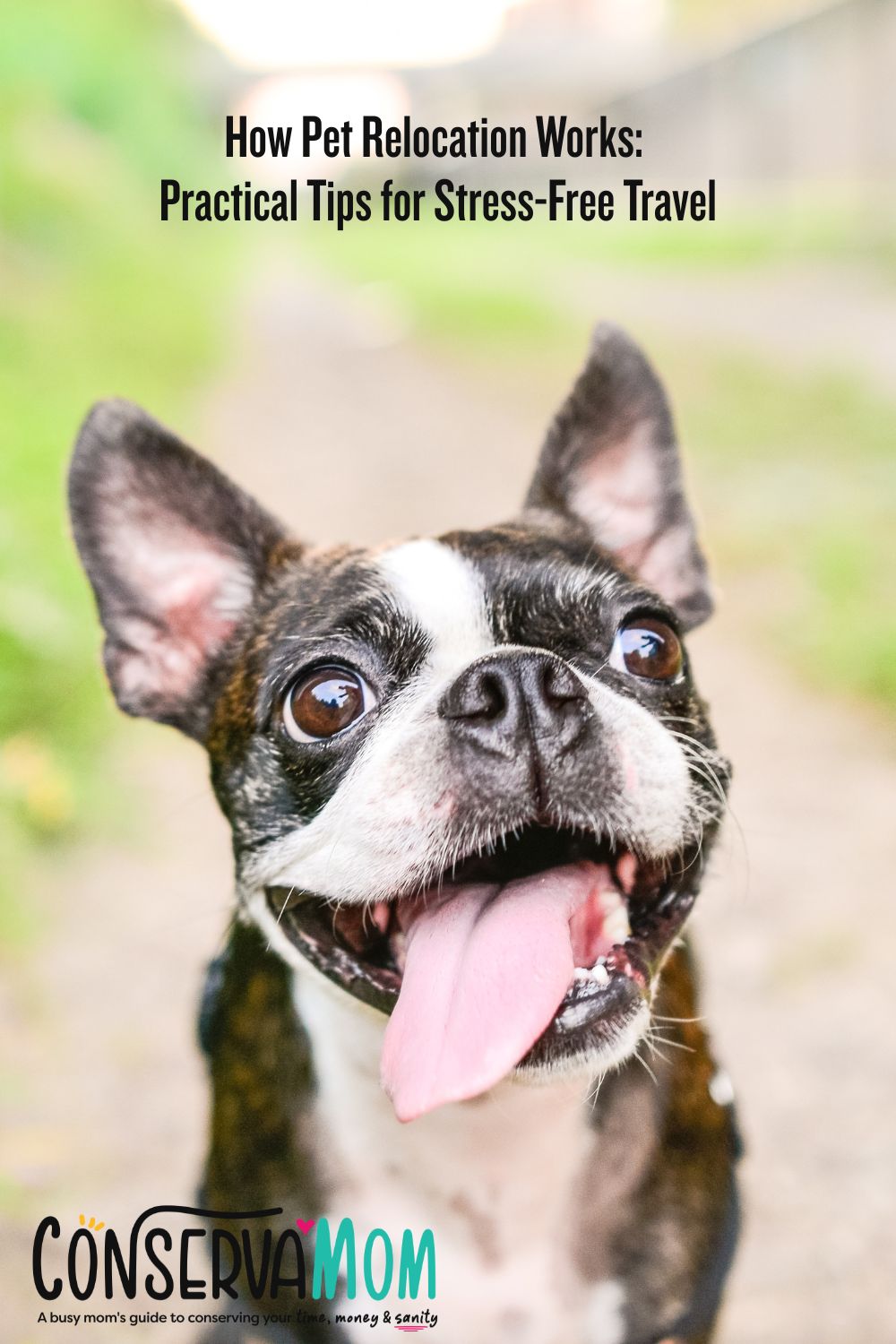
How Pet Relocation Works: Practical Tips for Stress-Free Travel
Table of Contents
- Plan Ahead
- Choose the Right Transportation Method
- Prepare Your Pet for Travel
- Update Identification and Microchip Information
- Pack a Pet Travel Kit
- Maintain Routine and Comfort
- Research Pet-Friendly Accommodations
- Settle Your Pet into the New Home
Relocating with pets can be both exciting and stressful. The desire to keep your furry companions safe and comfortable is a top priority for pet owners, especially when facing long distances or unfamiliar environments. With ample preparation and the right approach, you can create a seamless and calm moving experience for everyone involved. If you’re wondering how much does it cost to transport a pet, planning will not only help manage your budget but also ensure your pet’s journey is safe and pleasant.
Every detail matters, from securing proper documents to maintaining your pet’s daily routine during travel. The following guide covers key steps and proactive strategies for minimizing stress on your pet before, during, and after relocation—whether you’re moving across town or to a new country.
Plan Ahead
Starting early can make all the difference when relocating with a pet. Research the specific regulations and requirements at your new destination, including mandatory vaccinations, quarantine periods, and import permits. Some regions enforce strict animal transport laws and paperwork, so knowing what’s required in advance can help avoid unnecessary delays and fines. Scheduling a comprehensive health check-up for your pet is equally important. Speak to your veterinarian about the journey and ask about potential travel stress, necessary immunizations, and recommended travel certifications. Gather all relevant medical records, certificates, and an updated vaccination history, keeping them handy for the journey or at checkpoints.
Be aware that international moves often involve additional steps, including specific vaccines, parasite treatments, or vet-issued travel certificates. For a smooth transition, start collecting these documents and treatments as soon as possible, as some requirements have lead times of several weeks.
In addition to legal and health considerations, psychological preparation is often overlooked but just as crucial. Create a familiar and comforting environment for your pet by gradually introducing travel carriers or crates, which can help reduce anxiety in unfamiliar spaces and routines. Start exposing your pet to their carrier several weeks before travel, encouraging positive associations with treats, bedding, and their favorite toys.
Choose the Right Transportation Method
Your pet’s size, breed, temperament, and health are critical factors in determining the most suitable mode of transport. Ground transportation—whether private or group—can be ideal for pets who may be anxious around crowds or who require special attention. This is typically the best route for seniors, pets with health concerns, or those unused to long car journeys.
For long distances, air travel is sometimes unavoidable. A flight nanny service, where a pet is escorted in-cabin by a trained professional, offers reassurance and comfort, especially for anxious animals. This is often recommended for small to medium-sized pets. In contrast, air cargo is suitable for larger animals accustomed to crate time and in robust health. However, it is best to consult both your airline and veterinarian before pursuing this route for certain breeds or medically fragile pets.
Prepare Your Pet for Travel
Familiarize your pet with the travel process to reduce stress and minimize surprises. Allow your pet to spend increasing amounts of time in their crate or carrier in the weeks leading up to your move. Use positive reinforcement such as treats, favorite toys, or cozy blankets to make the space inviting. If your pet is not used to car rides, begin with short trips around the neighborhood, gradually increasing duration to build confidence for longer journeys.
In the days before the move, maintain your pet’s regular feeding and exercise routines to avoid digestive upset or anxiety. Pack their usual food, as sudden dietary changes can lead to additional stress or gastrointestinal issues while traveling.

Update Identification and Microchip Information
Current identification is critical in case your pet becomes lost during the move. Replace the old identification tags with ones that show your new address and phone number. Microchipping greatly increases the chances of recovery if your pet gets lost. If your pet already has a microchip, contact the registry and update your details.
Pack a Pet Travel Kit
Prepare a travel bag with all your pet’s necessities. This should include enough food and bottled water to last beyond your expected travel time, a collapsible food and water bowl, any medications, comfort items such as a blanket or toy, a leash and harness, and clean-up supplies (like disposable bags or litter for cats).
Add any grooming items, their bed, and a first-aid kit tailored to your pet’s specific health needs. Having this kit readily available will save time and reduce stress during the trip, especially if there are unexpected delays or layovers.
Maintain Routine and Comfort
Try to keep your pet’s eating, sleeping, and exercise routines consistent throughout the moving process. Familiar schedules provide comfort amid the chaos of packing and travel. Bring familiar objects such as your pet’s regular bedding, toys, or a shirt that smells like you to reduce their anxiety and help them settle quickly at the new location.
Research Pet-Friendly Accommodations
If your relocation involves overnight stops, plan to secure pet-friendly accommodations. Many hotels and rental properties have strict pet policies, breed restrictions, or added fees. Checking hotel and rental listings and confirming their policies in advance helps avoid last-minute problems and ensures everyone has a comfortable place to rest.
Settle Your Pet into the New Home
Once you arrive, introduce your pet to their new space slowly. Set up a quiet area where they can safely relax and adjust before exploring the rest of the home. Allow your pet to acclimate at their own pace, maintaining routines for feeding, walking, and play. Provide comforting attention and monitor their behaviors—most pets will adapt within a few days, but some may need extra time and reassurance.
By following these expert tips, you’ll help ensure a safe, comfortable, and stress-free relocation for your beloved companion—making your move a success for both you and your pet.
Leave A Reply!