Explore how emotional awareness influences discipline strategies for kids. Coaching replaces conflict through understanding feelings.
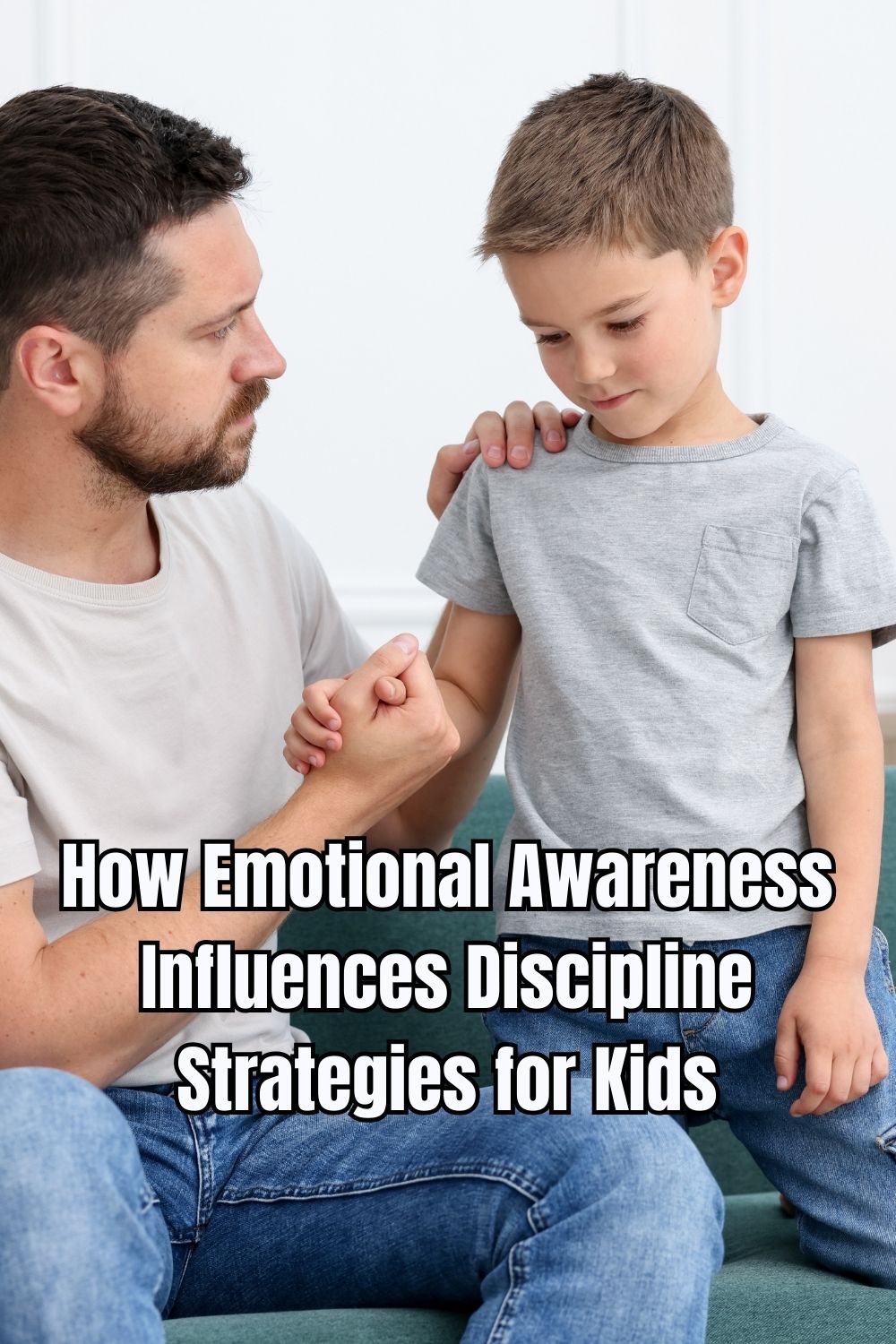
How Emotional Awareness Influences Discipline Strategies for Kids
Kids don’t learn discipline from lectures. They learn it from how we notice, name, and handle feelings in real time. When adults build emotional awareness, discipline stops being a tug-of-war and turns into coaching for self-control.
Why Emotional Awareness Matters
Discipline works best when it fits the emotion a child is feeling. Anger, fear, and embarrassment call for different responses. If we miss the feeling under the behavior, we often pick a tool that doesn’t fit, and the conflict grows.
Emotional awareness also lowers the heat in the room. When a parent can say, “You’re frustrated, and I’m here,” the child borrows calm. That shared calm makes limits stick.
From Co-Regulation To Self-Control
Before kids can regulate alone, they co-regulate with us. That means we slow our breathing, soften our voice, and offer simple choices so the child can steady. A Harvard Health article explains co-regulation as a supportive, interactive process that helps children and teens navigate big emotions.
Over time, this steady support teaches the brain what calm feels like. The child’s nervous system builds a map it can follow later. Co-regulation today becomes self-control tomorrow.
Connecting Feelings To Rules
Rules make sense when kids know where their feelings fit. Start by naming the feeling, then name the boundary. You might say, “You’re mad your tower fell. It’s OK to feel mad. It’s not OK to throw blocks.”
You can keep tools within reach at home by using resources like the monarch library to learn coping steps, and they work best when you practice during calm times. Follow with the next step the child can manage, like squeezing a pillow or asking for help. When a child hears both empathy and a limit, they feel seen and guided at once.
Using Time-Outs Without Shame
Time-out is a pause, not a punishment. It gives space to settle when other strategies fail. The American Academy of Pediatrics notes a good rule of thumb is 1 minute per year of age, and it works best when parents explain the reason, stay calm, and reconnect after.
Set a consistent spot and keep the tone neutral. If a child refuses, repeat the limit and escort gently. When the time is up, brief repair matters more than a long talk. A quick “You took a break and came back ready” reinforces the skill you want to grow.
Coaching Calm In The Heat Of The Moment
Big feelings make brains go offline. That’s when scripts help. Try short cues: “Breathe with me.” “Squeeze and release.” “Cold water, then talk.” The goal is to shrink the choice to something a dysregulated brain can do.
Your body language does most of the work. Kneel to the child’s level. Keep your voice steady. Pause before you respond. Kids mirror the nervous system in front of them, so you become the template for calm.
Teaching Repair After Mistakes
Discipline isn’t done when the behavior stops. It’s done when the relationship is repaired and a plan is made. Ask three questions: What happened, who was affected, and what can make it better.
Keep the fix small and specific. Pick up the thrown blocks. Offer a do-over. Write a quick “sorry” note or draw a picture. Repair turns a bad moment into a practice round for empathy and responsibility.
Matching Strategies To Feelings
Different feelings call for different tools. For frustration, use movement and problem-solving. For sadness, use comfort and presence. For fear, use predictability and gradual exposure.
When you don’t know the feeling, observe the body. Is the child restless, withdrawn, or clingy? Let the body guide your first move, then adjust based on what you learn.
Setting Limits That Stick
Clear, predictable limits reduce power struggles. State the rule before the flashpoint. Offer two acceptable choices. Describe what you want to see instead of what to stop.
Follow through with brief, consistent consequences. Skip lectures. Let the consequence teach, and pair it with empathy. Kids remember how you treated them when they were at their worst.
Building Your Own Self-Regulation
Your skills set the ceiling for the day. Sleep, food, and movement are real discipline tools because they raise your tolerance for stress. Micro-practices help too: three breaths before you speak, hands on a counter to ground, or a splash of cold water.
Plan your response to repeat triggers. Write a one-line script like, “I won’t yell. I will breathe and say the rule.” Tape it where you can see it. Preparation beats willpower when emotions run high.
When Parents Lose Their Cool
It happens. What you do next matters most. Own it without shame: “I yelled. That wasn’t OK. I’m working on calmer words.” This models accountability and shows that everyone is still learning.
Then reset the plan. Revisit the trigger, tweak the environment, or shorten the task. Small changes compound into smoother days.
Kids grow disciplined when adults grow emotionally aware. Notice the feeling, match the tool, and keep the connection at the center. With practice, your calm becomes their calm, and limits start to feel like safety instead of a fight.
Leave A Reply!