Find out how evening screen use negatively impacts sleep quality and discover solutions for better rest and well-being.
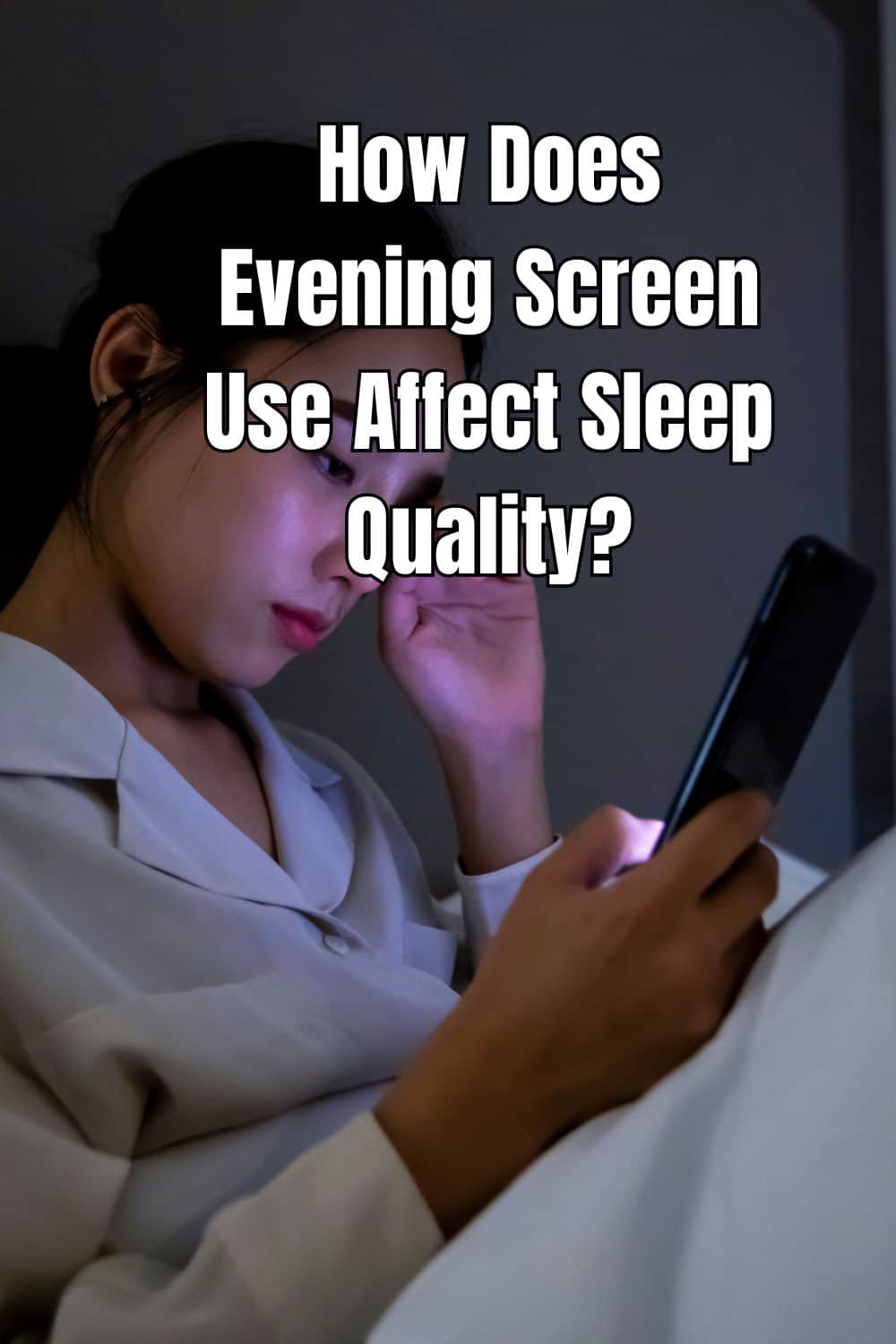
How Does Evening Screen Use Affect Sleep Quality?
Sleep is fundamental to the health and well-being of every family member. It is during sleep that our bodies recharge, our minds process information, and our immune systems strengthen. Adequate, high-quality sleep is linked to improved physical health, cognitive performance, emotional stability, and overall quality of life. For children, it supports growth and development, while for adults, it contributes to daily productivity and mental clarity.
However, with the increasing use of electronic devices, particularly in the evening, many families are experiencing disrupted sleep patterns. From smartphones and tablets to laptops and televisions, screens have become an integral part of modern life. Unfortunately, evening screen use has raised concerns about its impact on sleep quality, with growing evidence suggesting that it may interfere with the natural sleep cycle and contribute to various sleep-related issues. This article explores how evening screen use affects family sleep quality and offers practical solutions to mitigate its impact.
Effects of Evening Screen Use on Sleep
The impact of screen use on sleep is multifaceted, and it can affect family members in different ways depending on their age, sensitivity to light, and screen habits. A key issue is how screens disrupt natural sleep cycles, specifically the circadian rhythm, which regulates sleep-wake cycles in a 24-hour period. Our circadian rhythm is largely influenced by environmental cues like natural light. However, exposure to artificial light, particularly from screens, can confuse the body’s internal clock and delay sleep onset.One of the biggest culprits in evening screen use is blue light. Blue light is a short wavelength light that is particularly effective at stimulating the brain. Unfortunately, it is also the most disruptive to sleep patterns.
What Is Blue Light?
Blue light is part of the visible light spectrum, but unlike other light wavelengths, it has a higher energy level that can penetrate deep into the eyes. Sources of blue light include the sun, but it is most commonly emitted by electronic devices such as smartphones, tablets, computers, and televisions. While blue light exposure during the daytime can be beneficial in boosting alertness and enhancing mood, exposure during the evening hours can be harmful.
How Blue Light Affects Sleep
Exposure to blue light in the evening inhibits the production of melatonin, the hormone responsible for making us feel sleepy. When melatonin production is suppressed, the body doesn’t get the signal to prepare for sleep, delaying the natural onset of sleep. This results in both delayed bedtimes and fragmented sleep patterns.
Children and teenagers are particularly vulnerable to the effects of blue light. Since their circadian rhythms are still developing, they may be more sensitive to these disruptions. For adults, the cumulative effect of regular screen exposure at night can result in chronic sleep deprivation, leading to reduced energy levels, decreased cognitive function, and even long-term health problems.
Disruption of Circadian Rhythms
Circadian rhythms are sensitive to light, which signals to the brain whether it’s day or night. When exposed to bright artificial light, especially blue light emitted from screens, the body thinks it’s daytime and delays the release of melatonin, a hormone that makes us feel sleepy. This disruption can lead to delayed sleep onset, making it harder for individuals to fall asleep at the intended bedtime.
Delayed Sleep Onset and Reduced Sleep Duration
For many families, evening screen time is often a source of entertainment or relaxation before bed. However, it comes at a cost. Studies have shown that the use of screens before bed can delay sleep onset by up to an hour. This means that instead of going to bed at a reasonable hour, family members might end up staying awake longer than they planned, reducing their total sleep duration. This is particularly concerning for children and teenagers who need ample sleep for optimal growth, learning, and mood regulation.
Impact on Brain Activity
The content displayed on screens is often highly stimulating, whether it’s social media, video games, or TV shows. This stimulation keeps the brain active and alert, making it difficult for individuals to transition into a restful state. The more engaging the content, the more difficult it becomes for the brain to wind down. In turn, this heightened brain activity can make it challenging to fall asleep and experience deep, restorative rest.
Solutions to Mitigate the Impact of Screen Use
While the negative effects of evening screen time on sleep quality are concerning, there are several strategies families can adopt to minimize disruption and promote better sleep hygiene.
Reducing Screen Time Before Bed
One of the most effective ways to improve sleep quality is by limiting screen use, particularly in the hour leading up to bedtime. Experts recommend reducing screen exposure at least 30 to 60 minutes before going to sleep. This gives the body time to adjust to the natural drop in light levels, which helps signal the brain to begin winding down for the night.
Establishing Family Screen-Time Limits and Tech-Free Zones
To help manage screen time for the entire family, it can be beneficial to set clear limits on when and where devices can be used. For example, establishing a tech-free zone in the bedroom or a family-wide screen curfew can encourage healthier habits. The goal is to create a space that supports relaxation and quality sleep rather than stimulating activities that can interfere with it.
Using Blue Light Glasses
For families who need to use screens in the evening, blue light glasses offer a practical solution. These glasses are designed to filter out the harmful blue light emitted by screens, reducing its impact on melatonin production. Many studies have shown that wearing blue light-blocking glasses before bed can improve sleep quality by promoting melatonin production, thus making it easier to fall asleep.
Alternatives to Screens Before Bed
Instead of reaching for a phone or tablet, families can try alternative activities that don’t involve screens. Reading a book, listening to calming music, or engaging in relaxation exercises like deep breathing or meditation can help create a peaceful atmosphere conducive to sleep. These activities promote a calming effect on the mind and body, signaling that it’s time to wind down.
The Importance of Family Sleep Hygiene
Family sleep hygiene plays an essential role in ensuring everyone gets the rest they need. Good sleep hygiene goes beyond limiting screen time—it involves creating an overall environment that supports healthy sleep for all family members.
Creating a Sleep-Friendly Environment
The bedroom environment plays a critical role in sleep quality. For optimal rest, family bedrooms should be dark, quiet, and cool. Dark curtains or blackout blinds can help eliminate light from external sources, such as streetlights or moonlight, that may interfere with sleep. White noise machines or earplugs can be helpful in blocking out disruptive sounds. The ideal room temperature for sleep is around 65°F (18°C), which is cool enough for the body to relax.
Establishing Consistent Sleep Schedules
Maintaining a consistent sleep schedule is important for all family members, including children. Going to bed and waking up at the same time each day helps regulate circadian rhythms, making it easier to fall asleep and wake up naturally. Even on weekends, sticking to a consistent sleep routine can help prevent sleep disruptions.
Modeling Good Sleep Hygiene for Children
Children often model their behaviors after their parents, so it’s important for parents to practice good sleep hygiene as well. This includes setting an example by avoiding screens before bed, maintaining a consistent bedtime routine, and prioritizing rest. Encouraging children to have tech-free zones, such as a designated reading nook or bedtime ritual, can help reinforce these healthy habits.
The growing prevalence of evening screen use has undoubtedly contributed to a decline in family sleep quality. From disrupting natural circadian rhythms to the harmful effects of blue light, screen use in the evening can make it harder for everyone in the family to get the restful, restorative sleep they need. However, by making simple changes, such as reducing screen time before bed, using blue light-blocking glasses, and establishing consistent sleep routines, families can protect their sleep quality.
By prioritizing sleep hygiene and fostering healthy habits around technology use, families can create an environment that supports better sleep for all members. In turn, this can improve energy levels, mood, and overall health, benefiting the entire family in the long run. It’s not just about limiting screen time; it’s about promoting a balanced, restful lifestyle that encourages health and well-being for everyone.
Leave A Reply!