Learn how to choose the right breast implant size and type for your body. Discover important factors to consider.
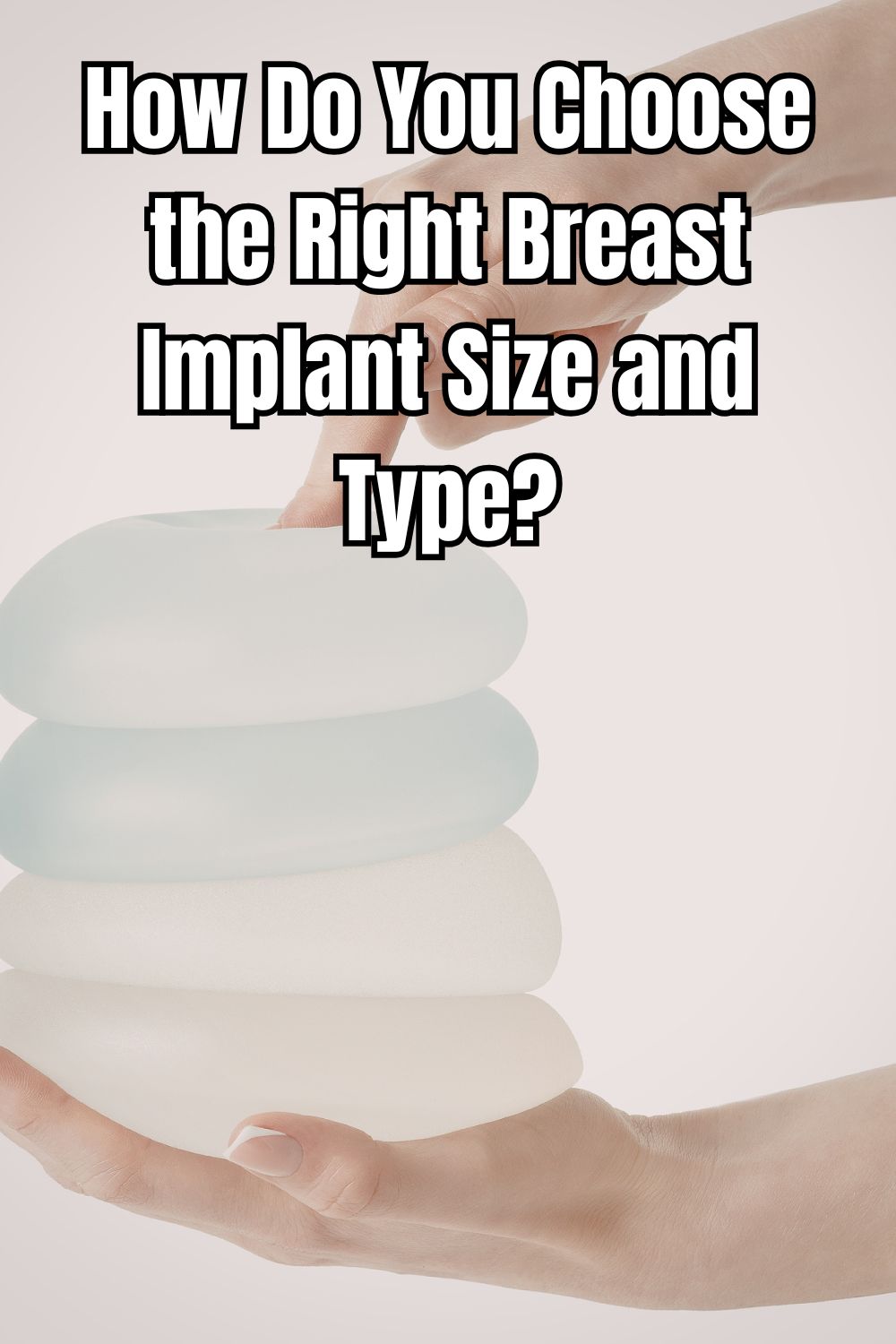
How Do You Choose the Right Breast Implant Size and Type?
How does someone decide what implant size will actually look right on their body? It’s a question many women begin asking long before they schedule a consultation, often after noticing subtle changes in shape or proportion that make them curious about their options.
For some, the interest starts after pregnancy or weight loss. Others simply want to bring more balance to their silhouette. In places like Baltimore, where cosmetic procedures are openly discussed and carefully researched, conversations about breast augmentation often begin with a deeper curiosity about sizing and implant choices.
The truth is that implant selection involves far more than picking a number. Surgeons look at chest structure, skin elasticity, body proportions, and personal goals before recommending a size or implant type. Understanding how these factors interact helps patients move beyond guesswork and toward a choice that feels natural for their body.
Here are six key considerations that often guide the process of choosing the right implant size and type.
1. Body Proportions Matter More Than Cup Size
One of the biggest misconceptions about breast augmentation is the idea that implant size corresponds directly to bra cup size. In reality, cup sizes vary widely between brands and styles, which makes them an unreliable reference point.
For many women considering breast augmentation in Baltimore, it quickly becomes clear that the same implant volume can look very different from one person to another. A 300cc implant may create a subtle change in one body and a more dramatic result on another.
This is why consultations focus heavily on overall balance. Evaluating how an implant fits the patient’s frame helps determine what size will complement the body rather than overwhelm it.
Careful assessment of these structural details is something experienced doctors such as Dr. Steven J. Rottman frequently emphasize, where treatment plans typically consider chest anatomy, tissue thickness, and long-term aesthetic goals before recommending implant sizes. Ultimately, the most natural-looking results tend to come from choosing implants that enhance body proportion rather than chasing a specific cup size.
2. Implant Profile Influences How the Breast Projects
Implant size alone doesn’t determine the final appearance. Implant profile—how far the implant projects outward from the chest—plays an equally important role.
Lower-profile implants spread more width across the chest, creating a softer and more gradual contour. Higher-profile implants project further forward, which can produce a more pronounced shape even when the implant volume remains similar.
Patients often discover during consultations that profile selection changes the way a given size appears. Two implants with the same volume can look surprisingly different depending on how they project. Understanding this distinction helps people realize that achieving a desired look often involves adjusting profile as much as size.
3. Implant Shape Can Affect the Final Aesthetic
Breast implants typically come in two primary shapes: round and anatomical (often called teardrop). Round implants create fullness throughout the breast, particularly in the upper portion. Many patients choose this shape because it provides a slightly lifted appearance.
Teardrop-shaped implants taper more gradually toward the top, mimicking the natural slope of the breast. This design can sometimes create a more subtle contour, especially for patients with minimal existing tissue. While both shapes can produce natural-looking outcomes, the choice often depends on the patient’s anatomy and aesthetic preference.
4. Existing Breast Tissue Plays a Major Role
The amount of natural breast tissue someone already has can significantly influence implant selection. Patients with more natural tissue may achieve their desired look with smaller implants because the existing breast structure contributes to the final shape. Those with thinner tissue may need slightly different implant choices to achieve balanced proportions.
Skin elasticity also matters. When the skin stretches easily, it can accommodate larger implants more comfortably. When elasticity is limited, surgeons may recommend a size that works within those boundaries to maintain a natural result. These anatomical factors often guide the decision-making process more than personal preference alone.
5. Lifestyle and Activity Level Should Be Considered
Implant size can affect more than appearance. It can also influence comfort during everyday activities.
Women who exercise frequently, participate in athletics, or maintain highly active routines sometimes prefer moderate implant sizes that align with their lifestyle. Larger implants may still be possible, but they can feel different during high-impact activities.
This doesn’t mean active individuals cannot choose larger implants. Instead, it highlights the importance of considering how a particular size will feel during daily movement.
Discussing lifestyle habits during consultations often helps surgeons recommend implant sizes that feel both comfortable and aesthetically satisfying.
6. Trying Implant Sizers Can Clarify Expectations
Many patients find it difficult to visualize implant sizes before surgery. Numbers and measurements rarely translate easily into mental images.
This is why many consultations include implant sizers or digital simulations. By placing sample implants inside a bra or using imaging tools, patients can see how different sizes may look on their own bodies.
Seeing these options in real time often shifts the decision-making process. What seemed like the perfect size online may feel too large or too subtle once viewed in proportion to the body. These visual tools help bridge the gap between expectation and reality, allowing patients to make choices with greater confidence.
Conclusion
Choosing the right breast implant size and type involves more than personal preference. Body proportions, implant profile, tissue characteristics, and lifestyle considerations all play important roles in determining which option will create the most balanced result.
While online research can provide helpful insights, the most reliable guidance usually comes from a detailed consultation where anatomy and aesthetic goals are evaluated together.
For many women exploring breast augmentation, understanding how these different factors influence implant selection helps transform what initially feels like a confusing decision into a thoughtful and informed process.
Leave A Reply!