Learn how clean pavers extend the life of outdoor spaces by preventing damage and maintaining attractiveness and stability.
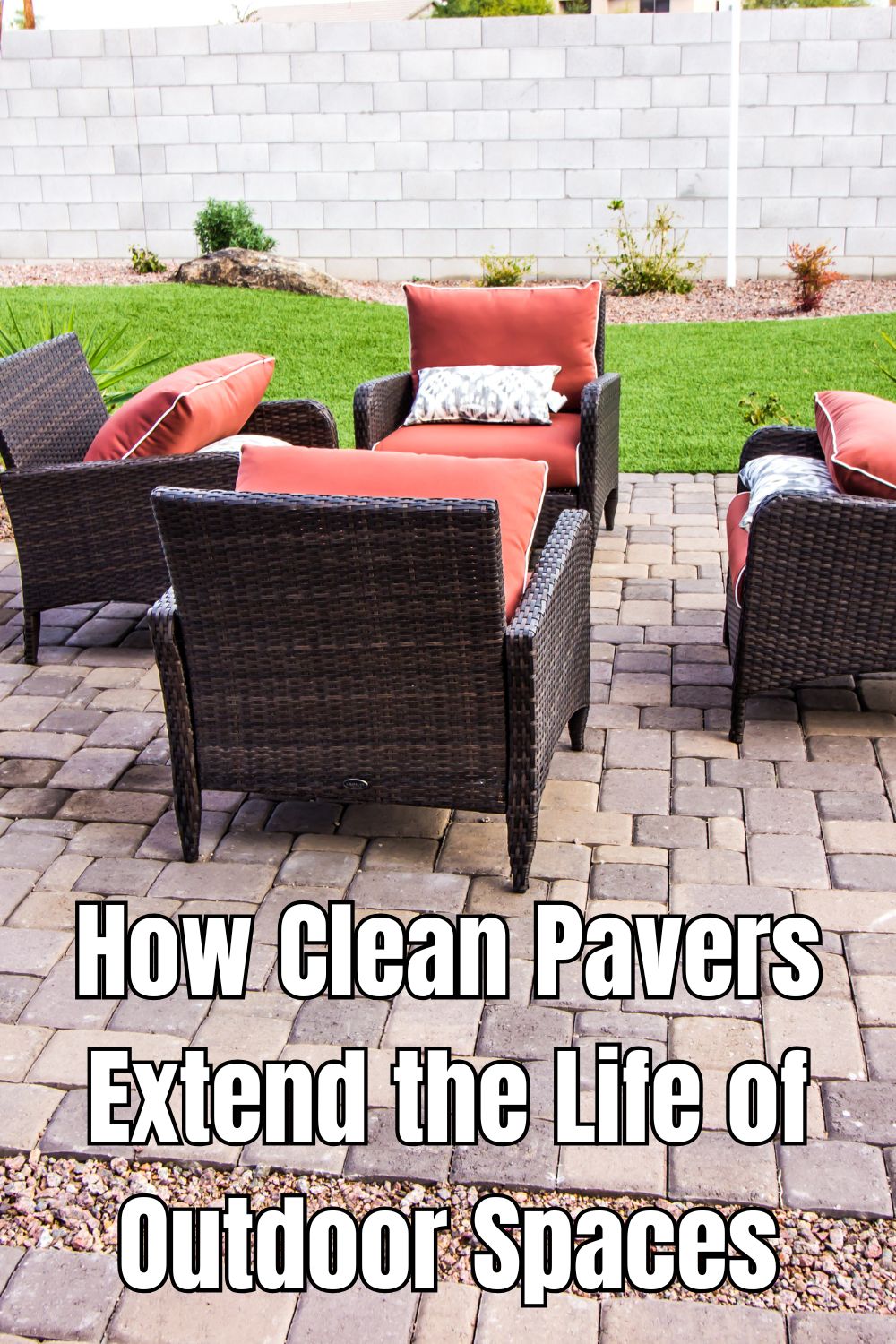
How Clean Pavers Extend the Life of Outdoor Spaces
Key Takeaways
- Consistent cleaning prevents grime and organic buildup from causing lasting damage.
- Sealing pavers is crucial to resisting stains, weathering, and color fading.
- Promptly removing weeds and moss keeps paved surfaces stable and attractive.
- Proper ongoing care reduces hazards such as slips and trips for family and guests.
Keeping your outdoor pavers clean is about far more than just maintaining a tidy appearance. Regular cleaning and upkeep are key to protecting your investment and ensuring your patios, walkways, and driveways look great for many years to come. In fact, diligent maintenance can prevent costly repairs and safety issues over time. For property owners seeking to go beyond basic care, you can learn more about specialized services for long-lasting results.
Ignoring paver maintenance can cause weed growth, staining, erosion, and instability, reducing curb appeal and lifespan. Proper strategies and consistency keep pavers safe, sturdy, and attractive. Professional care focuses on prevention and quick fixes. Proactive maintenance avoids costly restorations and extends enjoyment. HGTV recommends regular cleaning and sealing to maximize value and durability.
Regular Cleaning: The First Line of Defense
The most effective way to avoid big problems with pavers is to implement a consistent cleaning routine. Ideally, this involves sweeping paved areas weekly to remove leaves, grit, and debris before they settle into the joints or crevices. For most paver materials, spraying with water is sufficient to wash away lighter deposits. When faced with stubborn stains, using a mild, non-acidic cleaner and a soft-bristle brush will protect the paver finish while lifting grime. Homeowners should always avoid harsh chemicals, which can damage both the stone and the sand that keep pavers locked in place.
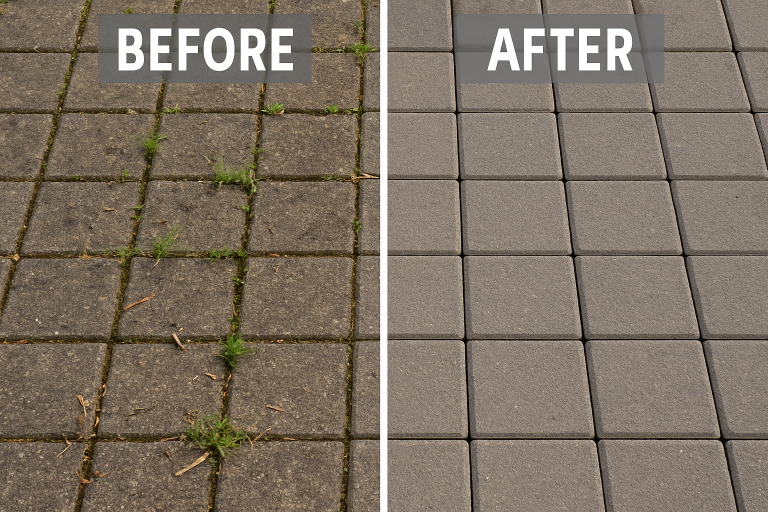
Allowing dirt, spills, and organic materials to accumulate can accelerate surface erosion and create slip hazards, so make cleaning a part of your weekly routine for best results.
Sealing Pavers: A Protective Shield
While routine cleaning goes a long way, sealing pavers every 2 to 5 years adds another layer of protection. High-quality sealants are designed to block water, oil, and other elements that cause staining or long-term deterioration. A good sealant also helps to inhibit algae, moss, and mildew, and it can block the damaging effects of UV rays, which fade colors over time. Applying sealant not only keeps surfaces looking fresh but also makes future cleaning tasks faster and easier.
When sealing, ensure the pavers are dry and spotless before application. Each type of paver (whether concrete, clay, or natural stone) may require a specific sealant, so always check compatibility first for optimal results.
Addressing Weeds and Moss: Maintaining Structural Integrity
Weeds and moss thrive in the moist sand between pavers, leading to more than just an unsightly appearance. Left alone, their roots can push pavers out of alignment and open spaces that collect more dirt and water, undermining the stability of your paved areas. Inspections should become routine, especially in damp or shaded spots. Promptly pulling weeds and brushing away moss helps, but using polymeric sand after cleaning can deliver longer-term stability by hardening in the joints and deterring new growth.
Repairing Damages: Prompt Attention to Issues
Small cracks, chips, and loose pavers can quickly turn into costly repairs if ignored. Regular inspection will help you spot damage early. Replace cracked or sunken pavers immediately, and refill joint sand annually or as needed to prevent shifting. These small efforts can keep paved surfaces level, attractive, and safe for walking. For an in-depth guide on repair strategies, HGTV outlines DIY tips and when it may be wise to call in a professional.
Seasonal Maintenance: Adapting to Weather Changes
Outdoor pavers are subject to unique stresses depending on the season. In summer, the focus should be on protecting against intense sunlight and cleaning away substances like sunscreen or pool chemicals. During autumn, it is crucial to remove fallen leaves promptly so tannins do not stain the paver surfaces, and joints should be re-sanded as preparation for increased moisture. Winter calls for careful snow and ice removal using plastic shovels to avoid surface scratches; harsh salt or chemical de-icers should be avoided to protect both pavers and joint sand from damage.
Professional Assistance: When to Seek Help
While most paver maintenance tasks are manageable, certain issues, such as widespread sinking, complex stains, or advanced weed infestation, may require expert help. Professional services not only have the equipment and products to deep clean, seal, and restore paved areas but also offer maintenance plans tailored to your specific climate and paver materials. Seeking help at the right time keeps long-term repair costs low while ensuring lasting results.
Conclusion
Regular paver maintenance is essential for extending the life and beauty of outdoor living spaces. Simple steps such as cleaning, sealing, weed removal, and seasonal care shield your investment from damage and keep your property looking inviting. By making these efforts part of your routine, you ensure a safe, durable, and eye-catching result that you can enjoy for many years.
Leave A Reply!