Explore how chiropractic care can support whole-body wellness through natural healing and enhanced posture for better health.

How Chiropractic Care Can Support Whole-Body Wellness
Key Takeaways
- Chiropractic care supports the body’s natural healing processes.
- Regular adjustments enhance posture and movement.
- Pairing chiropractic with lifestyle changes strengthens overall wellness.
Table of Contents
- Introduction
- Supporting the Body’s Natural Healing
- Improving Posture and Mobility
- Reducing Stress Through Spinal Care
- Pairing Chiropractic with Nutrition
- Incorporating Exercise and Movement
- Chiropractic Care in Workplace Health Programs
- Enhancing Hormonal Balance
- Conclusion
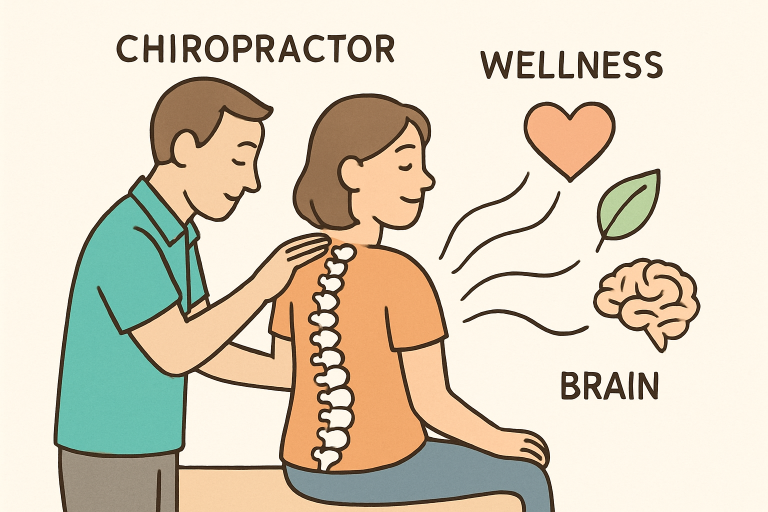
Chiropractic care has evolved into a vital aspect of holistic health, extending far beyond its roots as a solution for back pain. With an emphasis on spinal alignment and optimal nervous system function, chiropractic treatments seek to support the body’s natural healing abilities and help individuals achieve a higher level of overall wellness. For example, by partnering with a trusted chiropractor in Port Saint Lucie FL, residents can access care that prioritizes both immediate relief and lasting health benefits. This approach is part of a growing recognition that true wellness requires balance across multiple body systems.
Chiropractic philosophy emphasizes the body’s inherent ability to restore health by removing barriers in the spinal and nervous systems. Chiropractic adjustments are beneficial for correcting musculoskeletal issues caused by factors such as poor posture and stress, thereby promoting injury prevention and effective health management. This proactive care supports lifestyle changes and fosters healthier habits, contributing to overall well-being. Holistic strategies can enhance energy and resilience against illness, making chiropractic care an integral part of a comprehensive wellness routine.
Supporting the Body’s Natural Healing
Chiropractic care primarily addresses spinal misalignments, which can disrupt the nervous system’s ability to send and receive vital signals. This interference compromises healing and can lead to inflammation and muscle tension. By correcting these misalignments, chiropractors restore the natural pathways necessary for the body to repair tissues and regulate immune responses efficiently. Early intervention also helps prevent future health problems, making chiropractic care an essential part of preventive health. Consistent adjustments can minimize joint degeneration and reduce the risk of chronic tension, especially for those with sedentary jobs or repetitive motion habits.
Improving Posture and Mobility
Poor posture is one of the leading causes of musculoskeletal discomfort today. Regular chiropractic adjustments can realign the spine, address muscle imbalances, and correct common issues like forward head posture. Improved alignment supports better movement and reduces the risk of repetitive stress injuries. Over time, these interventions help maintain joint flexibility and optimal range of motion, essential for staying active and healthy with age. According to Harvard Health Publishing, evidence suggests that chiropractic care can improve mobility and reduce pain, reinforcing its value in a modern wellness routine.
Reducing Stress Through Spinal Care
Modern life creates a perfect storm for chronic stress, which can manifest as persistent muscle tension in the shoulders, neck, and back. Chiropractic adjustments help release this tension by relaxing the muscles and calming the nervous system. Regular care encourages a balanced posture, deeper breathing, and improved resilience against day-to-day stressors. Patients often notice better sleep, fewer headaches, and a more relaxed physical state. Integrating mindfulness practices such as yoga or deep breathing with chiropractic care maximizes stress reduction and fosters long-term emotional health.
Pairing Chiropractic with Nutrition
Nutrition is crucial for maintaining the musculoskeletal system’s health. A diet that incorporates lean proteins, leafy greens, and omega-3-rich foods helps regenerate tissues, control inflammation, and sustain joint health. When chiropractic care is paired with good nutrition, patients experience improved nerve and digestive function, enhancing nutrient absorption. Chiropractors often provide personalized recommendations, helping patients make small but impactful dietary changes that support their spine and overall health.
Incorporating Exercise and Movement
Movement is a natural complement to chiropractic adjustments. Regular exercise, especially stretching, stabilization, and low-impact activities like walking or swimming, keeps muscles strong and flexible. Such activities prevent stiffness, reduce the risk of injury, and improve coordination. Chiropractors frequently encourage customized exercise plans tailored to each patient’s unique needs, allowing gradual progress in strength and mobility and reinforcing the benefits of chiropractic care beyond the adjustment table.
Chiropractic Care in Workplace Health Programs
Employers are increasingly aware of the link between musculoskeletal health and productivity. Incorporating chiropractic care into workplace wellness programs can help address common sources of pain, such as repetitive strain and poor desk posture. Proactive care leads to improved energy, better focus, and fewer missed workdays due to injury or discomfort. By fostering a culture of prevention and early intervention, businesses can lower healthcare costs and encourage a more dynamic, engaged workforce.
Enhancing Hormonal Balance
The spine’s direct connection to the endocrine system means that spinal health can influence hormone production and regulation. Chiropractic care helps optimize nerve flow to key hormonal glands such as the thyroid, adrenals, and pituitary, supporting balanced mood, energy, and metabolism. Many women find relief from PMS symptoms and menopausal changes, while men may notice increased focus and vitality. Improved hormonal stability contributes to better weight control, sleep quality, and emotional well-being.
Conclusion
Chiropractic care stands out as a cornerstone of holistic health. Through regular adjustments, personalized nutrition, strategic movement, and stress management, individuals can take charge of their physical and emotional well-being. Integrating chiropractic care into a daily routine offers a proactive path to sustained health, empowering people to enjoy more active, balanced, and fulfilling lives.
Leave A Reply!