Explore the connection between hormonal changes and gum pain. Understand how hormones impact your oral health.
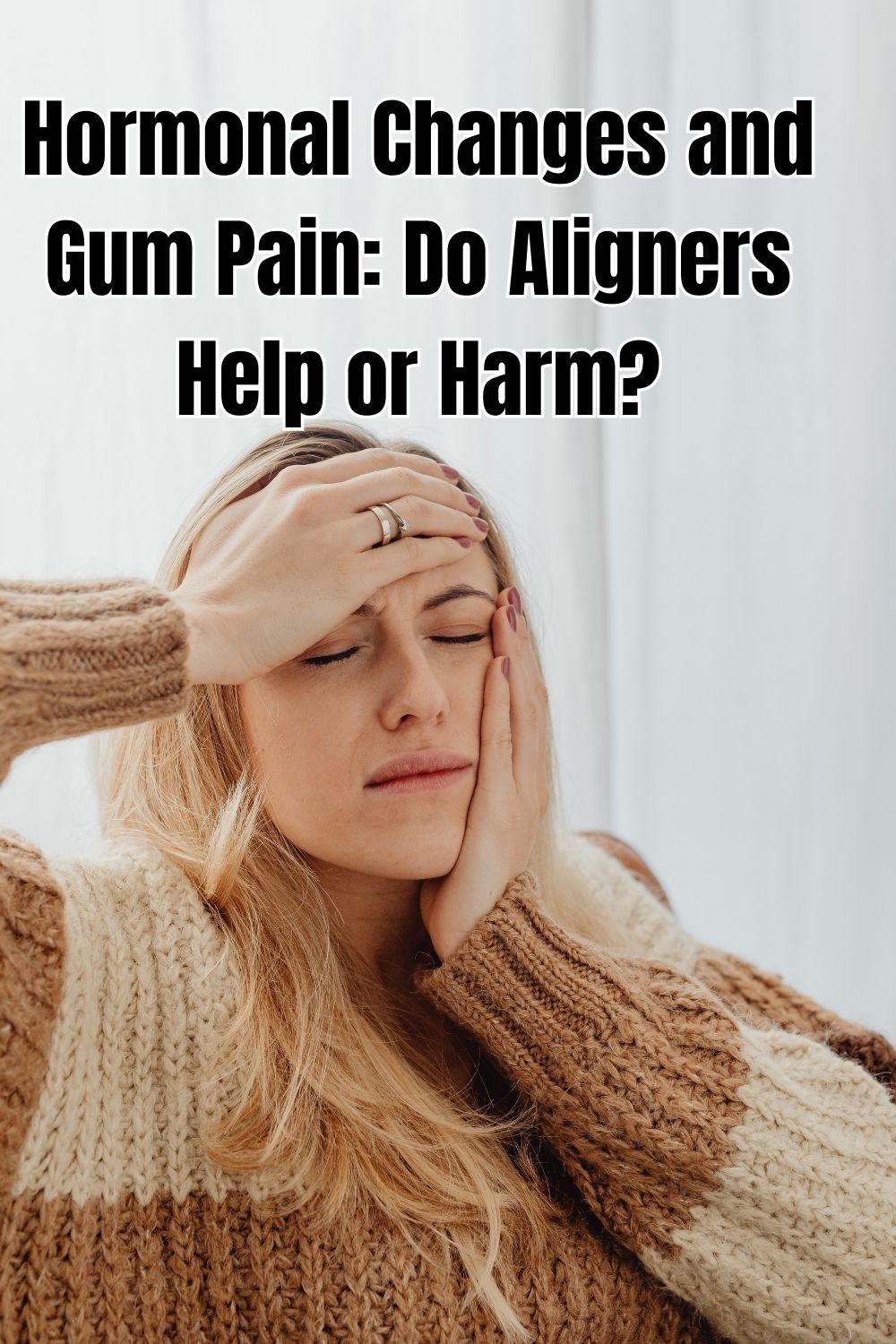
Hormonal Changes and Gum Pain: Do Aligners Help or Harm?
Hormonal changes and gum pain are directly linked. Hormones influence far more than mood, energy, or metabolism. They also play a significant role in oral health, particularly when it comes to the gums. Many people notice gum tenderness, swelling, or bleeding during periods of hormonal change, such as puberty, pregnancy, menopause, or times of high stress.
This guide explains how hormones affect gums, what to expect if you’re wearing aligners, and how to protect your oral health when both factors overlap.
How Hormonal Changes Affect Gum Health
Hormones influence blood flow, inflammation, and immune response, all of which directly impact gum tissue. When hormone levels fluctuate, gums may become more sensitive to plaque and bacteria.
During these periods, people may experience:
- Increased gum swelling or redness
- Bleeding during brushing or flossing
- Tenderness or aching along the gumline
- Heightened sensitivity around teeth
This is often referred to as hormonal gingivitis, a condition driven by inflammation rather than poor hygiene alone. Even with good oral care, gums can react more strongly when hormones are out of balance.
Common Life Stages Linked to Hormonal Gum Pain
There are several life stages where hormonal changes can affect teeth and gums.
Puberty often triggers exaggerated gum responses due to rising estrogen and testosterone. Pregnancy can increase gum inflammation and bleeding, particularly in the second trimester. Menopause may lead to dry mouth, gum recession, or increased sensitivity due to reduced estrogen levels. Chronic stress can also disrupt hormone balance, indirectly worsening gum health.
In all these cases, the gums are more reactive, which matters when orthodontic treatment is involved. That’s why people are opting for clear aligners increasingly. They are much more comfortable than traditional braces, hence they don’t irritate already sensitive gums.
However, people often question whether clear aligners can interfere with hormones, so let’s see that next.
Can Aligners Affect Gum Health During Hormonal Changes?
Clear aligners themselves do not alter hormone levels. However, they can influence gum health depending on how they’re worn and maintained.
When Aligners Can Help
Aligners can support gum health when used correctly. Because they are removable, they allow for better brushing and flossing compared to fixed braces. This can be especially beneficial when gums are inflamed due to hormonal changes.
By gradually aligning teeth, aligners can also reduce overcrowded areas where plaque tends to accumulate, lowering long-term gum irritation. For people experiencing hormonal gum pain, improved hygiene can make it easier to manage symptoms. And that holds true for clear aligners worn through the at-home teeth straightening model, too.
When Aligners Can Harm
Problems arise when aligners are worn without proper hygiene or fit. Trapped plaque, extended wear without cleaning, or poorly fitting trays can irritate already sensitive gums.
This is where concerns about gum recession due to aligners often come from. We’re exploring that next.
Do Aligners Cause Gum Recession?
This is a common concern, especially among adults experiencing hormonal changes. The short answer is: aligners do not cause gum recession. Gum recession is typically linked to factors such as:
- Existing gum disease
- Aggressive brushing
- Chronic inflammation
- Genetics
- Poorly controlled orthodontic force
However, if someone already has inflamed or sensitive gums due to hormonal shifts, ignoring gum care while wearing aligners may increase the risk of irritation or recession over time.
The key factor isn’t the aligner itself, but how well gum health is managed during treatment.
Hormonal Changes and Gum Pain During Aligner Treatment
Gum pain can feel more intense when aligners are introduced during an existing hormonal imbalance, especially during the first few days of a new tray. This doesn’t mean aligners are harming the gums, but rather that hormonal sensitivity makes normal pressure feel more intense.
It’s common to notice:
- Tender gums during aligner changes
- Increased sensitivity near the gumline
- Mild soreness that fluctuates with hormonal cycles
These symptoms usually settle with good hygiene, proper wear schedules, and consistent cleaning of aligners.
Hormonal Changes and Gum Pain: Do Aligners Help or Harm?
Wearing aligners during hormonal changes isn’t a problem on its own, but it does mean your gums may need a little extra attention. When hormones are fluctuating, gums tend to react faster and more intensely, even to things that never bothered you before.
The goal isn’t to scrub harder. In fact, brushing too aggressively can make things worse. A gentle but consistent routine works better, especially along the gumline. Flossing might feel uncomfortable at first if your gums are sensitive, but skipping it allows inflammation to build, which only prolongs the problem.
Keeping your aligners clean matters just as much as cleaning your teeth. Trays that aren’t washed properly can trap bacteria against already sensitive gums, leading to soreness or swelling. Gum issues are much easier to manage early, before they start interfering with comfort or treatment progress.
When It’s Better to Pause and Ask for Help
There’s a difference between mild sensitivity and a warning sign. If your gums bleed heavily, start pulling away from the teeth, or feel painful day after day, it’s not something to push through.
Aligners shouldn’t be worn through active gum problems. Continuing treatment while inflammation is ongoing can slow progress and increase the risk of longer-term issues. Hormonal gingivitis is common and treatable, but it still deserves attention.
Taking a short pause to let your gums settle isn’t a setback. In most cases, it actually protects your teeth, your gums, and the success of your aligner treatment overall.
Aligners and Hormonal Health: The Bigger Picture
Clear aligners can be a safe and effective option for many people experiencing hormonal changes, as long as gum health is prioritized. They don’t interfere with hormones, but hormonal changes can influence how gums respond during treatment.
When managed correctly, aligners can even support better long-term gum health by improving tooth alignment and hygiene access.
Wrap Up
Hormonal changes and gum pain are common, but they don’t automatically rule out aligner treatment. With awareness, proper hygiene, and professional oversight, clear aligners can be used safely even during hormonally sensitive periods. Understanding the relationship between hormones, gums, and aligners empowers you to protect your smile, not compromise it.
FAQs
How do hormonal changes affect gums?
Hormonal fluctuations increase blood flow and inflammation in gum tissue, making gums more sensitive to plaque.
Can aligners cause a hormonal imbalance?
No. Aligners do not affect hormone levels.
Can aligners damage gums?
Only if hygiene is poor or inflammation is ignored. Proper use supports gum health.
How do you treat hormonal gingivitis?
Consistent oral hygiene, gentle brushing, flossing, and professional dental care help control symptoms.
What are the signs that your hormones may be affecting your gums?
Bleeding, swelling, tenderness, or sensitivity that aligns with life stages like pregnancy, menopause, or stress.
Leave A Reply!