Learn practical steps for helping a family member heal after a workplace accident and navigate the complexities of recovery.
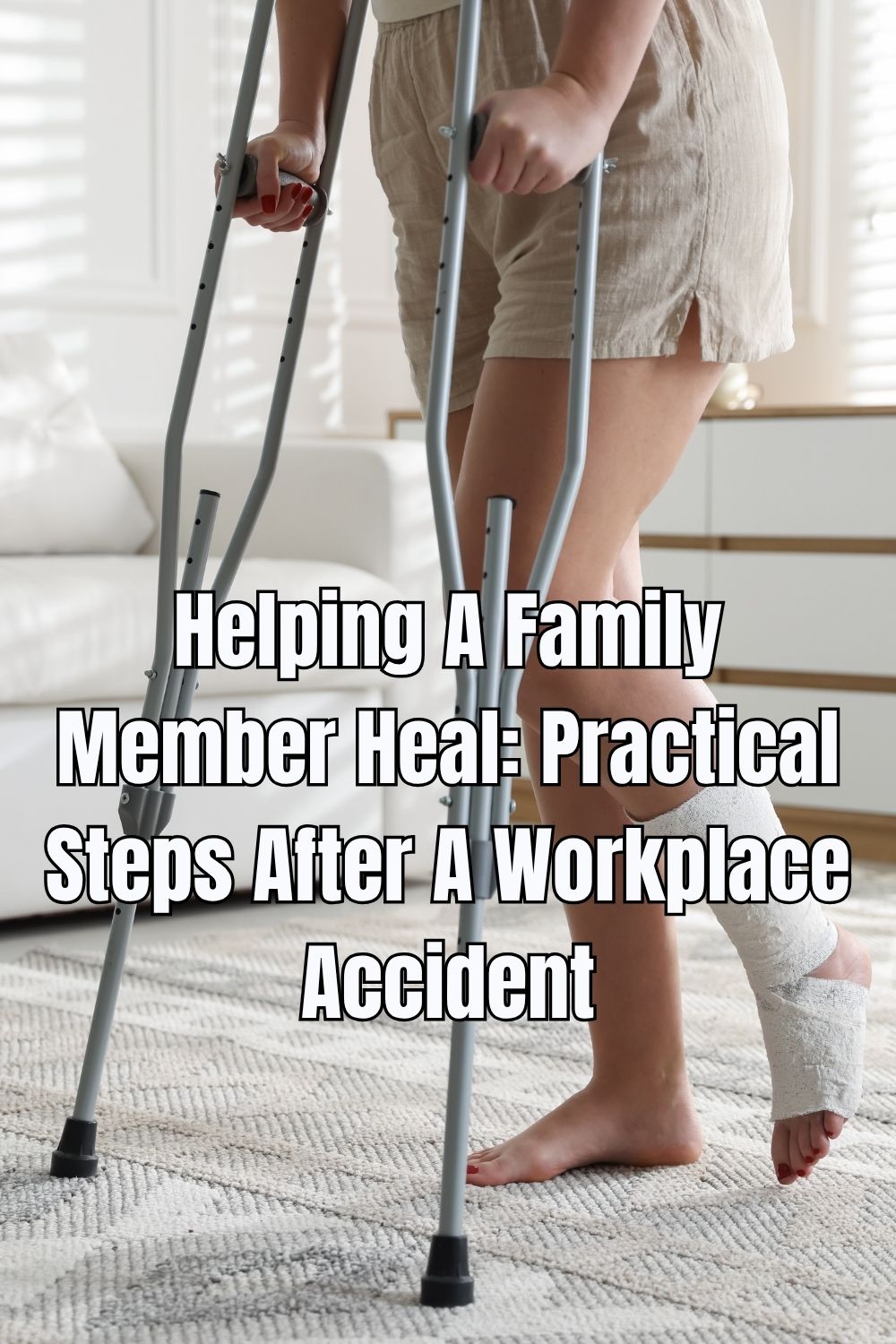
Helping A Family Member Heal: Practical Steps After A Workplace Accident
A workplace accident changes everything in an instant for a family. Life moves from a normal routine to a world of doctors, paperwork, and physical pain. Supporting a loved one through this transition is a heavy task that requires steady nerves and a lot of heart.
Starting the Recovery Journey
When a family member gets hurt on the job, the first few days feel like a blur. You have to balance their immediate medical needs with the shock of the event. It is helpful to look into Eric Ramos Law and other legal professionals to understand your rights early on. Taking this step helps protect the future of your family while you focus on the healing process.
Most people feel lost when they start dealing with workers’ compensation and medical forms. Learning the basics of the system can take some of the pressure off the injured person. They need to spend their energy on getting better rather than worrying about deadlines or fine print.
Physical Healing and Daily Support
Helping with physical recovery involves more than just picking up prescriptions. You might need to change the layout of your home to make it safer for someone with limited mobility. Small adjustments like adding grab bars or moving a bed to the first floor make a massive difference in daily comfort.
It is also useful to keep a detailed log of all medical visits and symptoms. Doctors appreciate having a clear history of how the patient is progressing between appointments. This record helps the medical team make better decisions about physical therapy and medication changes.
Dealing with Mental Health
A workplace injury affects the mind just as much as the body. Many workers feel a loss of identity when they cannot perform their usual jobs. This shift often leads to feelings of frustration, sadness, or even anger at the situation.
- Listen without trying to fix everything immediately.
- Encourage small hobbies that do not strain the injury.
- Keep a positive but realistic outlook on progress.
- Celebrate tiny victories like a successful therapy session.
Recent data shows that problem-solving therapy combined with standard care helps reduce the time it takes to return to work. Research from the Institute for Safety, Compensation, and Recovery Research indicates this approach helps patients get back to partial or full duties faster. Addressing the mental side of recovery is just as vital as the physical side.
Managing the Financial Impact
Money stress is a common side effect of a workplace accident. When a paycheck stops or shrinks, the entire household feels the pinch. Creating a strict budget for the recovery period helps manage the uncertainty of the situation.
Contacting utility companies and lenders early can provide some breathing room. Many companies offer hardship programs for people dealing with medical emergencies. Being proactive about these bills prevents late fees from stacking up while you wait for benefits to arrive.
Navigating the Legal System
The legal path after a work injury is often winding and confusing. Laws vary by state, and insurance companies often try to minimize the payout. Having a clear understanding of the claims process ensures your family member receives the full support they deserve.
Gathering evidence from the accident site is a smart move if it is still possible. Photos of the equipment or the area where the fall happened serve as proof of what went wrong. Witness statements from coworkers also provide a clearer picture of the events leading up to the injury.
Professional Medical Advice
Trusting the medical professionals is a core part of the healing process. It is important to attend every follow-up appointment, even if the injured person feels better. Skipping sessions can give insurance companies a reason to claim the injury is not serious.
If the progress seems slow, do not be afraid to ask for a second opinion. Getting a fresh set of eyes on a complex injury can reveal new treatment options. Staying informed about the latest rehabilitation techniques gives your family more tools for success.
Returning to a Routine
The ultimate goal of recovery is usually getting back to a normal life. This does not always mean going back to the same job role. Sometimes, a “light duty” assignment is the best way to transition back into the workforce safely.
- Discuss work restrictions clearly with the employer.
- Monitor fatigue levels during the first few weeks back.
- Adjust the home schedule to accommodate new energy levels.
A slow transition is better than rushing back and risking a re-injury. Employers should provide accommodations that follow the doctor’s orders. Keeping the lines of communication open with the supervisor helps make this phase smoother for everyone.
Watching someone you love struggle with an injury is never easy. Your presence and patience are the most valuable things you can offer during this time. By handling the logistics and providing emotional steady ground, you allow them to focus on the hard work of getting well. Recovery is a marathon – not a sprint – and having a strong teammate makes the finish line much easier to reach.
Leave A Reply!