Find the best calming chews for your anxious pup and ease their fears. A guide to help your dog feel calm and secure.

The Science Behind Calming Chews: Key Ingredients and How They Work

Our furry companions bring immense joy to our lives. Yet, many of them experience stress and anxiety. Loud noises, like fireworks or thunderstorms, can be truly frightening. Visits to the vet, car rides, or even being left alone can also trigger nervousness.

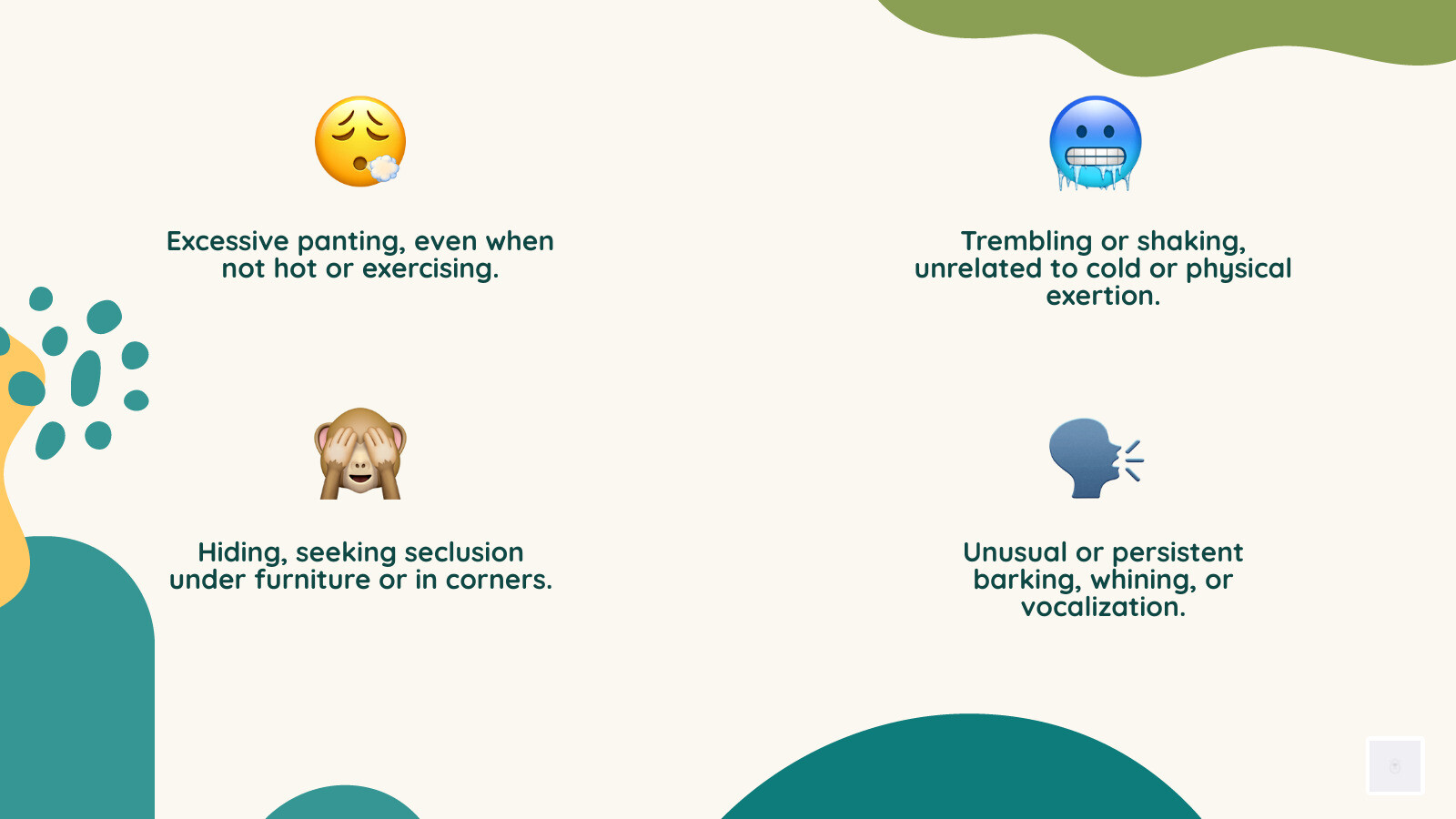
This anxiety can appear in many forms. It might be constant, affecting daily life (behavioral anxiety). Or it could be linked to specific events (situational anxiety). Recognizing these triggers is the first step to helping our pups feel safe.
We know how difficult it is to see your dog distressed. Many pet parents seek effective, gentle solutions. Calming chews for dogs have emerged as a popular choice to help ease these worries.
In this extensive guide, we will explore calming chews in detail. We’ll uncover their primary ingredients and how they work. We will also discuss when they are most beneficial. Our guide will help you understand how to select high-quality, effective chews for your dog’s unique needs.
Calming chews are more than just tasty treats; they are carefully formulated supplements designed to support your dog’s emotional well-being. The effectiveness of these chews lies in their active ingredients, which often work synergistically to promote a sense of calm without causing sedation. Understanding these components is crucial for choosing the right product for your anxious pup. Among these effective options, Dog CBD gummies stand out for their precise dosing and palatable flavor, making it simple to administer the benefits of cannabinoids for anxiety relief.

Hemp-Derived Compounds
Hemp-derived ingredients, particularly those rich in cannabinoids like CBD (cannabidiol), are gaining significant attention in the pet wellness industry. These compounds interact with the body’s endocannabinoid system, a complex network of receptors that helps maintain balance in various physiological processes, including mood, stress response, and sleep.
When dogs experience anxiety, their bodies often produce excess cortisol, the primary stress hormone. Certain hemp compounds have been shown to help modulate this response, potentially leading to a reduction in stress levels. Reputable calming chews use THC-free formulas, ensuring your pet receives the therapeutic benefits without any psychoactive effects. Beyond calming, these compounds may also support overall brain function and neurological health, contributing to a more balanced demeanor.
Amino Acids for Relaxation
Amino acids play a vital role in brain chemistry, acting as precursors to neurotransmitters that regulate mood and relaxation. Two of the most common and effective amino acids found in calming chews are L-Theanine and L-Tryptophan.
- L-Theanine: This amino acid, naturally found in green tea, is known for its ability to promote relaxation and balanced behavior without causing drowsiness. It works by increasing levels of GABA (gamma-aminobutyric acid), serotonin, and dopamine in the brain. These neurotransmitters are key to regulating mood, sleep, and emotion. L-Theanine can help dogs feel more at ease, especially during stressful situations, by promoting a calm alertness rather than sedation.
- L-Tryptophan: An essential amino acid, L-Tryptophan is a precursor to serotonin, often called the “feel-good” neurotransmitter. By increasing serotonin production, L-Tryptophan can help improve mood, reduce anxiety, and promote a sense of well-being. This can be particularly beneficial for dogs experiencing general anxiety or behavioral issues related to stress.
The combination of L-Theanine and L-Tryptophan is often chosen because they complement each other, offering a comprehensive approach to promoting a relaxed state without making your dog feel lethargic.
Herbal and Botanical Additives
Nature offers a wealth of ingredients known for their calming properties, and many of these are incorporated into dog calming chews.
- Chamomile: A well-known herb for its soothing qualities, chamomile can help calm nerves and may even aid in soothing an upset stomach, which can sometimes be linked to anxiety in dogs.
- Valerian Root: This herb is often used as a mild sedative and anxiolytic in humans and can have similar effects in dogs, helping to reduce nervousness and promote sleep.
- Melatonin: A natural hormone that regulates sleep cycles, melatonin is frequently used in calming chews, especially for older dogs experiencing nighttime anxiety or “sundowning,” helping them to rest more peacefully. Some calming treats are made with ingredients like melatonin, which can help older dogs sleep.
- Passionflower: Known for its ability to help reduce acute anxiety and promote relaxation.
- Ginger Root: While primarily known for its digestive benefits, ginger root can also be beneficial in calming treats, especially for dogs whose anxiety manifests as stomach upset. A calming treat with ginger root could be beneficial, as the ingredient would soothe both their tummies and anxiety.
- Adaptogens (e.g., Ashwagandha): These natural substances are believed to help the body adapt to stress and exert a normalizing effect on bodily processes. Ashwagandha root, for instance, supports a dog’s ability to cope with normal stress, promoting overall resilience.
These herbal and botanical ingredients, often combined with amino acids and hemp-derived compounds, create a multi-faceted approach to calming. The effectiveness of calming treats can vary by dog, and sometimes certain ingredients work better than others for a specific case.
When to Consider Calming Chews for Your Dog
Recognizing the signs of anxiety in your dog is the first step toward finding a solution. Calming chews can be a valuable tool in managing various forms of canine stress, whether it’s a predictable event or an ongoing behavioral challenge.

For Predictable, Stressful Events
Many dogs experience anxiety in response to specific, often predictable, situations. Calming chews can be particularly effective when administered before these events, helping to ease your dog’s apprehension. Some calming treats are designed to work within 30 minutes, with results lasting up to 4 hours. This makes them ideal for:
- Fireworks and Thunderstorms: Loud, sudden noises are a common trigger for canine anxiety. Administering a chew before the event can help your dog cope.
- Vet or Grooming Visits: These can be stressful experiences for many dogs. A calming chew can make the visit less frightening and more manageable.
- Car Travel: Some dogs get anxious during car rides, leading to panting, drooling, or vomiting. Calming chews can help them relax and enjoy the journey.
- Separation from Owner: For dogs with mild separation anxiety, a chew given before you leave can help them feel more secure while you’re away. Calming treats can be a helpful training aid for dogs with separation anxiety.
- Introduction of New Pets or People: Social situations can be overwhelming. Chews can help your dog remain calm and more receptive to new interactions.
For Ongoing Behavioral Support
Beyond acute stressors, calming chews can also play a role in managing more persistent behavioral issues linked to anxiety.
- Separation Anxiety: While severe cases may require professional training or medication, chews can be a supportive aid for dogs struggling with being left alone, helping to reduce destructive behaviors or excessive vocalization.
- Hyperactivity: For high-energy dogs who struggle to settle down, especially in new environments or after intense activity, a calming chew can help promote a more relaxed state.
- Destructive Behaviors: Often a symptom of underlying anxiety or boredom, destructive chewing or scratching can sometimes be mitigated by reducing stress with calming supplements.
- Senior Dog Anxiety: As dogs age, they can experience cognitive decline or increased sensitivity, leading to new anxieties or “sundowning” (disorientation and anxiety in the evenings). Calming chews, especially those with melatonin, can be very beneficial for older dogs. An older dog who feels anxious at night may benefit from a treat with melatonin to help them sleep.
- General Nervousness: Some dogs are simply more timid or reactive by nature. Regular use of calming chews can help these dogs feel more secure and less overwhelmed by everyday stimuli.
Calming chews can be given daily or as needed, and it is safe to double or triple the dose in times of increased stress, though always consult the product’s specific instructions and your veterinarian.
How to Choose High-Quality, Lab-tested Hemp Dog Chews
Navigating the vast market of dog calming chews can be daunting. With so many options available, know how to identify products that are not only effective but also safe and of high quality. Our priority is always your pet’s health and well-being.

Decoding the Ingredient Label
The ingredient label is your most important tool for assessing a calming chew. We recommend a thorough review to understand exactly what you’re giving your dog.
- Active Ingredients: These are the components responsible for the calming effect, such as L-Theanine, L-Tryptophan, chamomile, melatonin, and hemp-derived compounds. Look for clearly listed quantities of each active ingredient.
- Inactive Ingredients: These are fillers, binders, and flavorings. While some are harmless, excessive amounts of unnecessary ingredients can reduce the potency of the active components or even cause digestive upset.
- Clear Dosage Information: A reputable product will provide clear, weight-based dosage instructions. This allows you to administer the correct amount for your dog’s size.
- Avoiding Fillers and Common Allergens: Be wary of products with a long list of unidentifiable ingredients or excessive fillers. Also, check for common allergens like chicken, beef, or grains if your dog has sensitivities.
- “All-Natural” vs. Safe: The term “all-natural” can be misleading. Not all natural ingredients are safe or beneficial for dogs. For instance, while ginger root can be beneficial, other “natural” ingredients might be harmful. Always research unfamiliar ingredients.
The Value of Lab-tested Hemp Dog Chews for Purity and Potency
When considering hemp-derived calming chews, third-party lab testing is non-negotiable. This independent verification ensures the product’s quality, safety, and accuracy of labeling. We strongly advocate for choosing products that provide a Certificate of Analysis (COA).
A comprehensive COA should confirm:
- Potency Verification: It verifies the exact amount of active ingredients, such as CBD, ensuring you’re getting what the label promises.
- Purity from Contaminants: It confirms the absence of harmful substances like pesticides, heavy metals, residual solvents, and microbial contaminants that can be present in poorly sourced or manufactured products.
- THC Compliance: For hemp-derived products, it’s crucial to confirm that THC levels are below the legal limit (typically 0.3% or non-detectable) to ensure your pet experiences no psychoactive effects.
For further reading on the importance of verified products and what to look for, we encourage you to explore resources on Lab-tested hemp dog chews. This commitment to transparency helps us ensure the safety and efficacy of the products we choose for our beloved pets.
Finding the Right Lab-tested Hemp Dog Chews for Your Pup’s Needs
Even with high-quality products, finding the perfect match for your dog might involve a bit of trial and error.
- Dosage by Weight: Always start with the recommended dosage based on your dog’s weight. Many products suggest beginning with a half dose to assess your dog’s reaction.
- Onset Time and Duration of Effect: Some chews are fast-acting, kicking in within 30 minutes, with effects lasting around 4 hours. Others may take longer to build up in the system or have a more prolonged effect. Consider when you need the calming effect (e.g., immediate relief for fireworks vs. daily support).
- Matching Ingredients to Specific Anxiety Types: If your dog struggles with sleep, a chew with melatonin might be ideal. For general anxiety or car sickness, ingredients like L-Theanine or ginger root could be more suitable. The effectiveness of calming treats can vary by dog, and sometimes certain ingredients work better than others for a specific case.
By carefully evaluating these factors, we can make informed decisions that best support our dogs’ peace of mind.
A Holistic Approach to Managing Dog Anxiety
While calming chews can be incredibly beneficial, we recognize that they are often just one piece of a larger puzzle when it comes to managing canine anxiety. A truly effective strategy often involves a holistic approach, combining supplements with behavioral modification, environmental enrichment, and, when necessary, professional guidance.

Complementary Strategies and Aids
Integrating other methods alongside calming chews can significantly improve your dog’s overall well-being and reduce anxiety levels.
- Anxiety Vests (e.g., Thundershirts): These garments apply gentle, constant pressure to a dog’s torso, similar to a comforting hug. This pressure can have a calming effect on many dogs, particularly during thunderstorms, fireworks, or separation.
- Pheromone Diffusers and Collars: Synthetic pheromones mimic the natural calming pheromones released by a mother dog. These can create a reassuring environment and help reduce stress-related behaviors. A soothing collar, for example, releases pheromones that trigger the same comforting response a puppy would feel from its mother.
- Puzzle Toys and Lick Mats: Providing mental stimulation and a distraction can be powerful anxiety reducers. Puzzle toys require your dog to work for treats, engaging their mind, while lick mats provide a soothing, repetitive activity that releases endorphins.
- Consistent Exercise: A well-exercised dog is often a calmer dog. Regular physical activity helps burn off excess energy and can reduce nervous behaviors.
- Proper Diet: A balanced and nutritious diet plays a foundational role in overall health, including mental well-being. Some dogs may even benefit from specific dietary changes if their anxiety is linked to digestive issues.
- Training and Desensitization: For specific fears or anxieties, working with a certified professional dog trainer or behaviorist can be invaluable. Techniques like desensitization and counter-conditioning can help your dog gradually overcome their fears.
By combining these strategies, we create a comprehensive support system for our anxious pups, addressing their needs from multiple angles.
Over-the-Counter Supplements vs. Prescription Medications
It’s important to understand the distinction between over-the-counter (OTC) calming chews and prescription anxiety medications for dogs. This knowledge helps us make appropriate choices and know when to seek veterinary intervention.
- Mild to Moderate Anxiety: For dogs experiencing mild to moderate anxiety, especially situational stress or general nervousness, OTC calming chews are often a good first line of defense. Their natural ingredients work to support the body’s natural calming mechanisms.
- Severe Anxiety: For dogs with severe anxiety, panic attacks, or deeply ingrained behavioral issues, OTC chews may not be sufficient. In these cases, prescription medications may be necessary. These medications, such as Trazodone or other SSRIs (Selective Serotonin Reuptake Inhibitors), work on specific neurochemical pathways to significantly reduce anxiety.
- Role of the Veterinarian: We cannot overstate the importance of consulting with a veterinarian. They can help diagnose the root cause of your dog’s anxiety, rule out any underlying medical conditions, and advise on the most appropriate course of action. They can also discuss whether a combination of OTC supplements and behavioral therapy is suitable, or if prescription medication is warranted. Your vet can also guide you on how calming chews interact with other medications or supplements your dog might be taking.
The goal is to find the most effective and safest way to help our dogs live happier, calmer lives.
Frequently Asked Questions about Dog Calming Chews
As pet owners, we naturally have many questions when considering new supplements for our furry friends. Here, we address some of the most common inquiries about dog calming chews.
What are the potential side effects, and can chews interact with other medications?
While calming chews are generally safe, it’s crucial to be aware of potential side effects and interactions.
- Common Side Effects: Most side effects are mild and may include drowsiness, upset stomach, or diarrhea, especially when first introducing the chew or if the dosage is too high. Some dogs might experience increased thirst. If you notice any concerning symptoms, discontinue use and contact your vet.
- Importance of Vet Consultation: Always consult your veterinarian before starting any new supplement, especially if your dog is on other medications, has a pre-existing health condition, or is pregnant or a very young puppy. For puppies under 12 weeks old, a vet consultation is essential. Your vet can provide personalized advice and ensure the chew is appropriate for your dog’s specific health profile.
- Puppies and Pregnant Dogs: While some calming chews are deemed safe for puppies on solid food, veterinary guidance is paramount. For pregnant or nursing dogs, supplements should only be given under strict veterinary supervision due to potential risks to the developing puppies.
- Potential Medication Interactions: Certain ingredients in calming chews, particularly those with sedative properties like Valerian root or melatonin, could potentially interact with other medications, including sedatives, anti-anxiety drugs, or even some heart medications. Your veterinarian can assess these risks and advise on safe usage.
How often can I give my dog calming chews?
The frequency of administration depends on the product and your dog’s specific needs.
- Daily Use vs. As-Needed: Many calming chews are formulated for daily use to help manage generalized anxiety or provide ongoing support. Others are designed for “as-needed” use, typically administered before predictable stressful events. Always follow the specific instructions on the product packaging.
- Following Package Instructions: Dosage guidelines are usually provided based on your dog’s weight. Adhere to these recommendations closely.
- Safely Doubling the Dose in High-Stress Situations: Some brands state that it is safe to double or triple the dose in times of increased stress, such as severe thunderstorms or long car trips. However, this should only be done if explicitly stated on the product label and ideally with your vet’s approval. For example, some products like Composure start working within 30 minutes and last for up to 4 hours, and can be safely doubled or tripled in times of increased stress.
- Not a Long-Term Cure: While calming chews can offer significant relief, we view them as a management tool rather than a cure for underlying anxiety. For chronic or severe anxiety, combining chews with behavioral modification and professional guidance is often the most effective long-term strategy.
Do calming chews work for all dogs and breeds?
The effectiveness of calming chews can vary significantly from one dog to another.
- Individual Effectiveness Varies: Just like humans, every dog’s body chemistry is unique. What works wonders for one dog might have little to no effect on another. The effectiveness of calming treats can vary by dog, and sometimes certain ingredients work better than others for a specific case.
- High-Energy Breeds: Breeds known for their high energy levels, such as Border Collies or Australian Shepherds, may benefit from calming chews to help them settle, especially if their anxiety stems from under-stimulation or an inability to relax.
- Senior Dogs: Older dogs often experience new anxieties related to age, cognitive decline, or changes in their environment. Calming chews can be particularly helpful for this demographic.
- Trial-and-Error Process: Finding the ideal dog calming treat can be a trial-and-error process. It may take trying a few different brands or ingredient combinations to find what best suits your dog. We recommend giving a new product a fair trial period (e.g., a few weeks for daily use) to assess its full effect.
- Managing Expectations: Calming chews are designed to support a state of calm, not to sedate or fundamentally change your dog’s personality. They aim to take the “edge” off anxiety, making your dog more comfortable and receptive to training or environmental changes. It’s a common misconception that only perpetually anxious dogs benefit from calming treats.
Conclusion
Navigating canine anxiety can be challenging, but understanding the role of calming chews offers a promising path to supporting our dogs’ emotional well-being. We’ve explored the science behind key ingredients like hemp-derived compounds, amino acids, and botanical additives, each playing a unique role in promoting relaxation and balanced behavior.
We’ve learned when to consider these chews—whether for predictable stressors like thunderstorms and vet visits, or for ongoing behavioral support such as separation anxiety and hyperactivity. Crucially, we’ve emphasized the importance of choosing high-quality, lab-tested products, urging you to scrutinize ingredient labels and seek out Certificates of Analysis for purity and potency. For detailed insights into ensuring the quality of your chosen supplements, resources on Lab-tested hemp dog chews can be invaluable.
While calming chews are a powerful tool, we advocate for a holistic approach to anxiety management. This includes complementary strategies like anxiety vests, puzzle toys, consistent exercise, and, when necessary, professional behavioral guidance or prescription medications. We’ve also addressed common questions regarding side effects, dosage, and individual effectiveness, reminding us that every dog is unique.
Empowering ourselves with knowledge allows us to make informed decisions for our beloved companions. Calming chews, when selected carefully and used appropriately, can be a vital component of a comprehensive plan to help your anxious pup live a happier, calmer life. Always remember to consult your veterinarian to ensure the chosen solution is the safest and most effective for your dog’s specific needs.