Eyelid surgery explained: learn how this procedure can enhance your appearance and restore a youthful look with confidence.
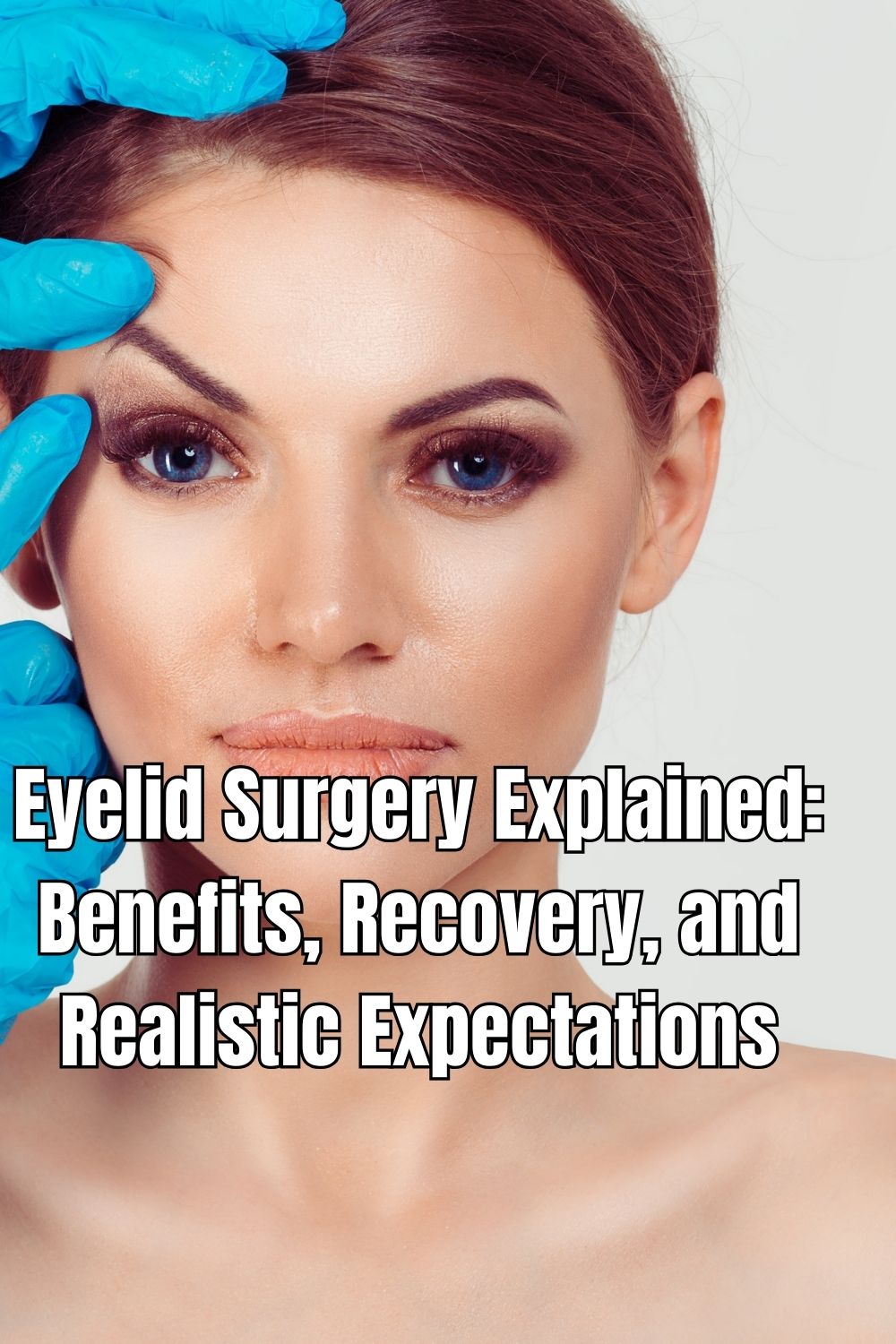
Eyelid Surgery Explained: Benefits, Recovery, and Realistic Expectations
The eyes are often one of the first areas of the face to show signs of aging. Drooping upper lids, puffiness, and under-eye bags can make a person look tired, stressed, or older than they actually feel. For many people in places like St. Louis and beyond, these changes affect not just appearance but confidence as well. Eyelid surgery has become a popular option for those looking to restore a more refreshed, alert look while maintaining natural facial expression.
However, like any cosmetic procedure, eyelid surgery works best when patients understand what it can—and cannot—do. Knowing the benefits, recovery process, and realistic outcomes helps individuals make informed decisions and feel more confident moving forward.
A. What Is Eyelid Surgery?
Eyelid surgery, also known as blepharoplasty, is a procedure designed to improve the appearance of the upper eyelids, lower eyelids, or both. It addresses concerns such as excess skin, puffiness caused by fat deposits, and sagging that can interfere with vision or facial balance.
Depending on individual needs, eyelid surgery may involve:
- Removing or repositioning excess skin.
- Reducing under-eye bags.
- Tightening loose eyelid skin.
- Creating a smoother, more youthful contour around the eyes.
The goal is subtle enhancement—not dramatic change. Well-performed eyelid surgery preserves natural expression while restoring definition and openness to the eye area.
B. Who Is a Good Candidate?
Eyelid surgery is typically considered by individuals who are experiencing visible aging around the eyes or functional issues caused by excess eyelid skin. Good candidates are generally:
- Healthy,
- Non-smokers, and
- Have realistic expectations about outcomes.
Plus, to make an informed choice, many people explore eyelid surgery in St. Louis through experienced practices like Renaissance Plastic Surgery. The experts help people to know about realistic goals and what suits the candidates best. This way, a personalized consultation helps determine whether upper eyelid surgery, lower eyelid surgery, or a combined approach is appropriate based on facial structure and goals.
C. The Benefits of Eyelid Surgery
Eyelid surgery offers both aesthetic and functional benefits, which is why it continues to be a popular facial rejuvenation option. The improvements are often subtle but impactful, especially because the eyes play such a central role in facial expression.
Key benefits include:
- A more refreshed, rested appearance: Drooping skin and puffiness can create a constantly tired look. Eyelid surgery helps restore openness and definition around the eyes.
- Improved facial balance and symmetry: By addressing excess skin or fat, the eye area blends more naturally with the rest of the face.
- Enhanced confidence in daily interactions: Many patients feel more comfortable socially and professionally once their appearance better reflects how they feel.
- Functional improvement in some cases: Removing heavy upper eyelid skin may improve peripheral vision and reduce eye strain.
The goal is never to dramatically alter appearance, but to create a natural-looking enhancement that allows the eyes to look brighter and more alert.
D. Understanding the Recovery Process
Recovery from eyelid surgery is generally well-tolerated, but it’s important to understand the healing timeline to set realistic expectations. During the recovery period, patients can typically expect:
- Initial swelling and bruising: These are most noticeable in the first few days and gradually improve over one to two weeks.
- Mild discomfort rather than significant pain: Most patients manage recovery with minimal downtime and basic post-operative care.
- Gradual return to daily activities: Light activities are often resumed within a few days, while most people return to work and social routines within 10–14 days.
- Ongoing refinement of results: While improvements are visible early, subtle swelling may take several weeks to fully resolve.
Following aftercare instructions—such as using cold compresses, avoiding strenuous activity, and protecting the eyes—plays a key role in achieving smooth, predictable healing.
E. Setting Realistic Expectations
One of the most important aspects of eyelid surgery is understanding what results are realistic. The procedure can significantly refresh the eye area, but it does not stop the natural aging process or drastically alter facial structure.
Realistic expectations include:
- Subtle, natural-looking improvement.
- Reduction—not complete elimination—of aging signs.
- Long-lasting results that still age naturally over time.
Choosing an experienced surgeon is key to achieving balanced results. They focus on individualized treatment plans that prioritize facial harmony and patient safety rather than one-size-fits-all outcomes.
Bringing It All Together!
Eyelid surgery offers a proven way to address drooping lids, puffiness, and tired-looking eyes while maintaining subtlety and balance. By understanding the benefits, recovery timeline, and realistic expectations, individuals can make informed decisions aligned with their goals. With proper planning and expert care, eyelid surgery can deliver refreshed, natural-looking results that enhance both appearance and confidence.
Leave A Reply!