Find out how to remove plaque from your dog’s teeth at home for better dental health and to avoid costly vet visits.
Understanding Plaque, Tartar, and Associated Health Risks
We all want our beloved dogs to live long, happy, and healthy lives. Dental health is a vital aspect of their overall well-being.
Plaque buildup is a prevalent issue for dogs. It affects around 80% of them by the age of two. If left unaddressed, this sticky film can harden into tartar, leading to serious health problems. These can range from painful gum disease and infections to potential damage to vital organs like the heart, kidneys, and liver.
We understand that professional dental cleanings can be a significant undertaking. They often involve anesthesia and can be costly.
That’s why we’ve created this extensive guide. We aim to empower you with practical, at-home strategies to clean plaque from your dog’s teeth. Understanding the causes and implementing preventative measures can significantly improve your dog’s oral health, which, in turn, improves its comfort and overall quality of life. We invite you to explore further resources for more insights into how proper Dog health and plaque management contribute to their well-being. Let’s work together to keep those canine smiles bright!

Dental disease is alarmingly common in dogs, affecting approximately 80% by the age of two. This widespread issue often begins subtly with plaque, a sticky bacterial film that adheres to the teeth. If not removed promptly, this plaque can mineralize and harden into tartar, also known as calculus. The progression from plaque to tartar is rapid; plaque can form within 20 minutes of a professional cleaning, and if brushing is neglected, calculus can form in as little as 72 hours.
Once tartar forms, it creates a rough surface that attracts even more plaque and bacteria, leading to a vicious buildup cycle. This accumulation irritates the gums, causing inflammation known as gingivitis. If left untreated, gingivitis can progress to periodontal disease, a more severe condition where the supporting structures of the teeth (gums, bone, and ligaments) become infected and damaged.
The risks associated with plaque and tartar buildup extend far beyond the mouth. If not treated, plaque can lead to painful gum disease, infections, and tooth loss. Eventually, it could risk bacteria spreading to other body parts such as the kidney, heart, and liver, causing serious problems. Around 8 in 10 dogs will suffer symptoms of periodontal disease at some point in their lifetime, underscoring the critical need for proactive dental care. Understanding these risks highlights why early prevention and consistent home care are paramount for your dog’s long-term health.

What are Plaque and Tartar?
At its core, plaque is a soft, sticky film composed of bacteria, saliva, and food particles that constantly forms on your dog’s teeth. It’s virtually invisible in its early stages, but can be felt as a fuzzy coating if you run your finger along your dog’s teeth. The problem with plaque is its rapid formation; it can begin to accumulate almost immediately after eating.
Tartar, or calculus, occurs when plaque is not removed and becomes mineralized. The minerals in your dog’s saliva react with the plaque, causing it to harden into a rough, yellowish-brown deposit. This process can occur very quickly, often within 24 to 72 hours. Unlike plaque, tartar cannot be removed by brushing alone and typically requires professional veterinary intervention. Its rough surface also provides an ideal environment for more bacteria to cling to, exacerbating dental issues.
Why is Dental Hygiene Crucial for Your Dog’s Overall Health?
Neglecting your dog’s dental hygiene can have severe repercussions beyond bad breath. The bacteria in plaque and tartar cause inflammation of the gums (gingivitis) and, if unchecked, can lead to periodontal disease. This condition is not just painful; it can cause significant damage to the teeth and their supporting structures, potentially leading to tooth loss.
More alarmingly, the mouth’s chronic inflammation and bacterial infection can have systemic effects. Bacteria from severe dental disease can enter the bloodstream, traveling to vital organs such as the heart, kidneys, and liver. This can lead to severe, life-threatening conditions, including heart disease, kidney dysfunction, and liver damage. The link between oral health and overall systemic health in dogs is well-established, making dental care an indispensable part of their routine care. Regular dental care, therefore, isn’t just about fresh breath; it’s about protecting your dog from pain, discomfort, and potentially life-threatening diseases.
How to Clean Plaque Off Dog Teeth: A Brushing Guide
When it comes to maintaining your dog’s oral health, daily brushing stands as the undisputed gold standard. Like humans, dogs benefit immensely from regular mechanical plaque removal before it can harden into tartar. Establishing a consistent at-home brushing routine is the most effective way to prevent dental disease and keep your dog’s teeth sparkling. While it might seem daunting at first, brushing can become a positive and bonding experience for you and your furry friend with the right tools and approach.

Essential Supplies for Brushing
To effectively clean your dog’s teeth, you’ll need the right equipment:
- Dog-Specific Toothbrush: These come in various designs, including brushes that fit over your finger (finger brushes), traditional long-handled brushes with angled heads, or even multi-headed brushes designed to clean several surfaces simultaneously. The key is a soft-bristled brush appropriately sized for your dog’s mouth.
- Enzymatic Toothpaste for Dogs: This is crucial. Never use human toothpaste on your dog, as it often contains fluoride, xylitol, or other toxic ingredients if swallowed. Dog toothpastes are specially formulated to be safe for ingestion and usually come in appealing flavors like poultry, beef, or peanut butter to encourage acceptance. Products like C.E.T. Enzymatic Toothpaste and HealthyMouth Oral Gel are specifically formulated for pets and are safe to swallow.
- Natural Alternatives: Coconut oil can be a beneficial addition for those seeking natural options. Its antibacterial properties can help combat plaque-causing bacteria. You can apply a small amount to a brush or even a gauze pad for gentle cleaning.
Introducing Brushing to Your Dog
Patience and positive reinforcement are key when introducing brushing. Start early, ideally when your dog is a puppy, but it’s never too late.
- Start Slowly: Begin by simply letting your dog taste the enzymatic toothpaste. Place a small dab on your finger and let them lick it off.
- Familiarize with Touch: Once they enjoy the taste, gently rub your finger along their gums and teeth for a few seconds. Reward them with praise and a treat. Gradually increase the duration and area you touch.
- Introduce the Brush: Once they are comfortable with your finger, introduce the toothbrush. Let them sniff and lick the brush with toothpaste on it.
- Short Sessions: Begin with very short brushing sessions, focusing on just a few teeth. The goal is positive association, not perfection.
- Positive Reinforcement: Always follow brushing with praise, a favorite toy, or a small treat. This helps create a positive routine that your dog will look forward to.
- Consistency: Aim for daily sessions. Consistency will build tolerance and make the process easier, even if you initially manage only a few teeth.
The Best Technique to Clean Plaque Off Dog Teeth
Once your dog is comfortable with the process, you can focus on effective technique:
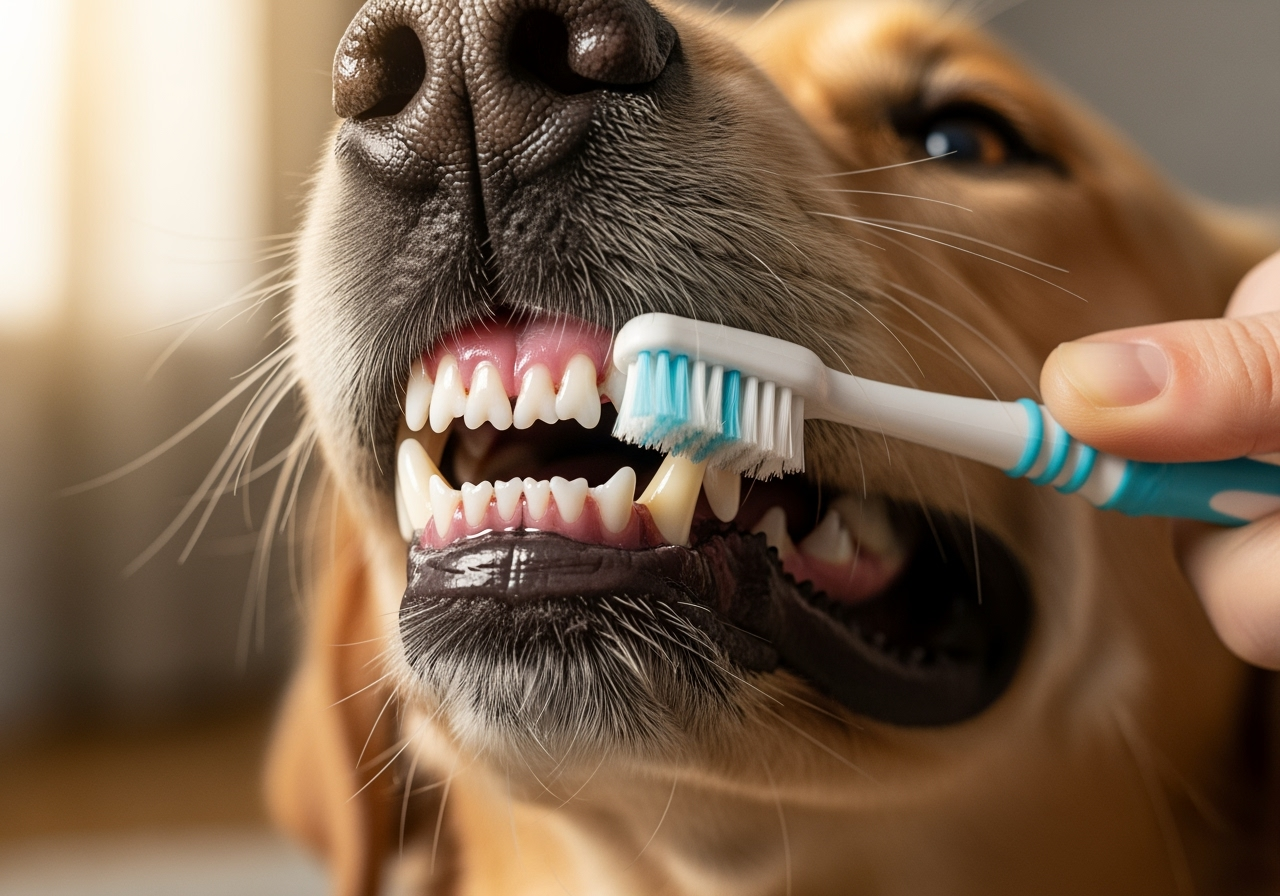
- Positioning: Gently lift your dog’s lip to expose the outer surfaces of their teeth and gums. Most plaque accumulates on the outside surfaces, making this your primary focus.
- Angle: Hold the toothbrush at a 45-degree angle to the tooth surface, aiming the bristles towards the gumline. This allows the bristles to reach into the sulcus (the small pocket between the tooth and gum) where plaque often hides.
- Motion: Use gentle, circular motions, brushing each tooth for a few seconds. Do not scrub aggressively, as this can damage the gums.
- Focus: Concentrate on the outer surfaces of the teeth first, especially the large molars and canines, as these tend to accumulate the most plaque and tartar.
- Consistency is Key: Daily brushing is the most effective way to prevent plaque from hardening into tartar. Aim for at least three to four times a week to make a significant difference if daily isn’t possible.
The goal is to remove the soft plaque before it hardens. Consistent effort can significantly improve your dog’s dental health and overall well-being.
Complementary Methods for At-Home Dental Care
While brushing is the cornerstone of at-home dental care, several complementary methods can significantly improve your efforts to clean plaque off your dog’s teeth and prevent future buildup. These tools and techniques work with brushing to provide a comprehensive oral hygiene routine.

The Role of Dental Chews, Toys, and Diet
- Mechanical Abrasion: Dental chews and toys are designed to provide mechanical abrasion, meaning they physically scrape plaque off the tooth surfaces as your dog chews. This action helps to dislodge food particles and reduce the sticky film of plaque.
- VOHC-Approved Products: Not all dental chews and foods work as advertised. For effective products, only give food and treats with the Veterinary Oral Health Council (VOHC) seal of approval. These products have undergone rigorous testing and are proven to help reduce plaque and/or tartar. We encourage you to visit the VOHC-approved dental products website to find suitable options for your pet.
- Dental Diets: Specific dental diets are formulated with unique kibble shapes and textures that promote a “scrubbing” action on the teeth as your dog chews. Some also contain ingredients that help prevent plaque mineralization.
- Dry Kibble Benefits: While not a substitute for brushing, feeding a high-quality dry kibble can offer some abrasive benefits compared to wet food, which tends to stick to teeth more.
Safe and Effective Chew Toy Features:
- Appropriate Size: The toy should be large enough that your dog cannot swallow it whole, preventing choking hazards.
- Durability: Choose toys made from durable materials that won’t easily break into small, sharp pieces.
- Texture: Look for toys with nubs, ridges, or an irregular surface that can help massage gums and scrape teeth.
- Flexibility: Toys with some give are less likely to cause tooth fractures than tough materials.
- Non-Toxic: Ensure the toy is made from pet-safe, non-toxic materials.
Using Raw Bones and Natural Supplements Safely
- Benefits of Raw Bones: Many proponents suggest that raw bones can act as a natural toothbrush, helping to scrape away plaque and tartar as a dog chews. The gnawing action can also provide mental stimulation and strengthen jaw muscles.
- Risks of Raw Bones: However, raw bones come with significant risks. They can cause tooth fractures, which are incredibly painful and often require costly veterinary intervention. Splintering bones can lead to internal injuries, and bacterial contamination is always a concern. If you offer raw bones, ensure they are appropriately sized for your dog’s breed and chewing habits, and always supervise your dog closely. Never give cooked bones, as they are brittle and prone to splintering.
- Seaweed Supplements: Certain natural supplements, particularly those derived from seaweed, have shown promise in supporting canine dental health. Products like Pet MD Proden PlaqueOff contain specific sea algae that, when ingested, work systemically to reduce plaque and tartar. These supplements are believed to alter the composition of saliva, making it harder for plaque to adhere to teeth and for tartar to form. You can explore options like seaweed supplements for dental health to see if they are a good fit for your dog. They are typically added to food and can be a convenient way to support oral hygiene, especially for dogs resistant to brushing.
Dental Wipes, Sprays, and Water Additives
These products offer convenient ways to supplement your dog’s dental routine, though they are generally less effective than brushing.
- Dental Wipes: These textured pads, often infused with antibacterial solutions or baking soda, can be used to manually wipe plaque from the surfaces of your dog’s teeth. They are particularly useful for dogs who tolerate mouth handling but resist a toothbrush, or for quick clean-ups between brushings. While they can help with surface cleaning, they are generally less effective at reaching below the gumline or into crevices.
- Dental Sprays: Applied directly to the teeth and gums, dental sprays often contain enzymes or antibacterial agents designed to reduce plaque-causing bacteria and freshen breath. They can be a good option for dogs who are difficult to brush, but their effectiveness can be limited without mechanical action. As Cornell University’s Riney Canine Health Center notes, dental sprays help by reducing bacteria in the mouth and do not remove plaque that has already formed. For more information on the efficacy of dental sprays, you can consult veterinary resources.
- Water Additives: These are added to your dog’s drinking water and work passively to improve oral hygiene. They typically contain ingredients that inhibit bacterial growth or reduce plaque adhesion. While very convenient, they are generally considered the least effective method for plaque removal compared to brushing or VOHC-approved chews. They are best used as a minor supplement to a more robust dental care routine.
These complementary methods should not replace regular brushing but improve your overall dental care strategy. A multi-faceted approach combining brushing with appropriate chews, supplements, and other aids will yield the best results for your dog’s oral health.
Recognizing Problems and When to See a Veterinarian
Even with the most diligent at-home care, pet owners must recognize the signs of developing dental problems and understand when professional veterinary intervention becomes necessary. While we strive to manage plaque at home, hardened tartar and advanced dental disease often require expert attention. Regular observation of your dog’s mouth can help you catch issues early, preventing more severe complications and ensuring their comfort.

Signs of Poor Dental Health in Your Dog
Being aware of the following signs can help you identify dental issues early:
- Halitosis (Bad Breath): This is often the first and most noticeable sign of dental disease. While “dog breath” is usually accepted, foul odor indicates bacterial overgrowth and infection.
- Yellow or Brown Tartar: Visible deposits on the teeth, especially near the gumline, indicate tartar buildup.
- Red, Swollen, or Bleeding Gums: Healthy gums should be pink and firm. Redness, swelling, or bleeding, particularly during brushing or eating, are signs of gingivitis or periodontal disease.
- Difficulty Chewing or Eating: Your dog might show reluctance to eat hard food, chew on one side of their mouth, or drop food.
- Pawing at the Mouth or Face Rubbing: These behaviors can indicate oral pain or discomfort.
- Loose or Missing Teeth: In advanced stages of periodontal disease, teeth can become loose or fall out.
- Excessive Drooling: Increased drooling, sometimes with blood, can indicate oral pain or infection.
- Changes in Behavior: A dog in dental pain might become irritable, lethargic, or withdraw from interaction.
Dog Breeds Prone to Dental Issues
While all dogs can develop dental problems, certain breeds are genetically predisposed to higher rates of plaque and tartar buildup due to their oral anatomy:
- Toy and Small Breeds: Breeds like Poodles, Chihuahuas, Yorkshire Terriers, and Pomeranians often have crowded teeth in small mouths, making cleaning difficult and trapping food particles.
- Brachycephalic (Short-Nosed) Breeds: Dogs such as Pugs, Bulldogs, and Boxers have a particular mouth shape that doesn’t allow their teeth to meet their jaw effectively. This makes their chewing less efficient at removing food residue from their teeth, contributing to tartar.
- Other Predisposed Breeds: Dachshunds, Greyhounds, and Cocker Spaniels are also noted for higher incidences of dental disease.
Extra vigilance and a more intensive dental care routine are often necessary for these breeds. Veterinary dental experts at Dog breeds prone to tartar can provide more information about breed predispositions to tartar buildup.
Why Professional Dental Cleaning is Sometimes Necessary
Despite the best at-home efforts, there comes a point when professional veterinary dental care is essential.
- Hardened Tartar Removal: Once plaque has mineralized into hard tartar, it cannot be removed by brushing or other at-home methods. Attempting to scrape it off at home can damage enamel and gums. Veterinarians use specialized ultrasonic scalers to remove these deposits safely.
- Subgingival Cleaning: The most critical aspect of professional cleaning is addressing the plaque and tartar that accumulate below the gumline. This area is inaccessible to toothbrushes and is where periodontal disease originates. Professional cleaning involves meticulous scaling and polishing of these subgingival surfaces.
- Comprehensive Oral Exam and X-rays: A complete dental exam, often performed under anesthesia, allows the veterinarian to thoroughly assess every tooth, including those that may appear healthy on the surface. Dental X-rays are crucial for evaluating the health of the tooth roots and surrounding bone, diagnosing hidden problems like abscesses, bone loss, or unerupted teeth that cannot be seen during a conscious exam.
- Anesthesia Safety: Professional dental cleanings are performed under general anesthesia. While the idea of anesthesia can concern pet owners, modern veterinary anesthesia protocols are very safe. Pre-anesthetic screening tests (blood work, urinalysis) are performed to assess your dog’s health and tailor the anesthetic plan. This allows for a pain-free, stress-free, and thorough cleaning, including the critical subgingival areas. For more details on the safety of anesthesia in dental procedures, resources like the Anesthesia for dental cleaning guidelines can provide reassurance.
- Addressing Advanced Issues: For dogs with periodontal disease or tooth decay, additional treatments such as tooth extractions, root canals, or other advanced procedures may be necessary. General practitioners or board-certified veterinary dentists perform these.
Professional dental cleanings are not just about aesthetics; they are a vital medical procedure that addresses underlying disease, prevents pain, and protects your dog’s overall health. They complement your diligent at-home care, ensuring your dog maintains a healthy and pain-free mouth for years to come.
Frequently Asked Questions about Dog Dental Care
Can I scrape hard tartar off my dog’s teeth myself?
No, attempting to scrape hard tartar at home is dangerous. It can damage tooth enamel, injure the gums, and cause pain. It also doesn’t address the bacteria below the gumline, which is the primary cause of periodontal disease. Tartar removal should only be performed by a veterinary professional with the proper tools and under anesthesia to ensure safety and thoroughness.
How often should I be brushing my dog’s teeth?
Daily brushing is the gold standard and the most effective way to prevent plaque from hardening into tartar. If daily brushing isn’t possible, aim for at least 3-4 times per week to significantly impact your dog’s oral health. Consistency is more important than infrequent, intense sessions.
Are water additives or dental sprays enough to clean my dog’s teeth?
While dental water additives and sprays can help reduce bacteria and freshen breath, they are not a substitute for brushing’s mechanical action. They are best used as a supplement to a regular brushing routine, not as a replacement for it. They work best to prevent new plaque from forming, but generally cannot remove existing plaque or tartar.
Leave A Reply!