Explore the dos and don’ts of decorating with area rugs to enhance your space and avoid common decorating pitfalls.
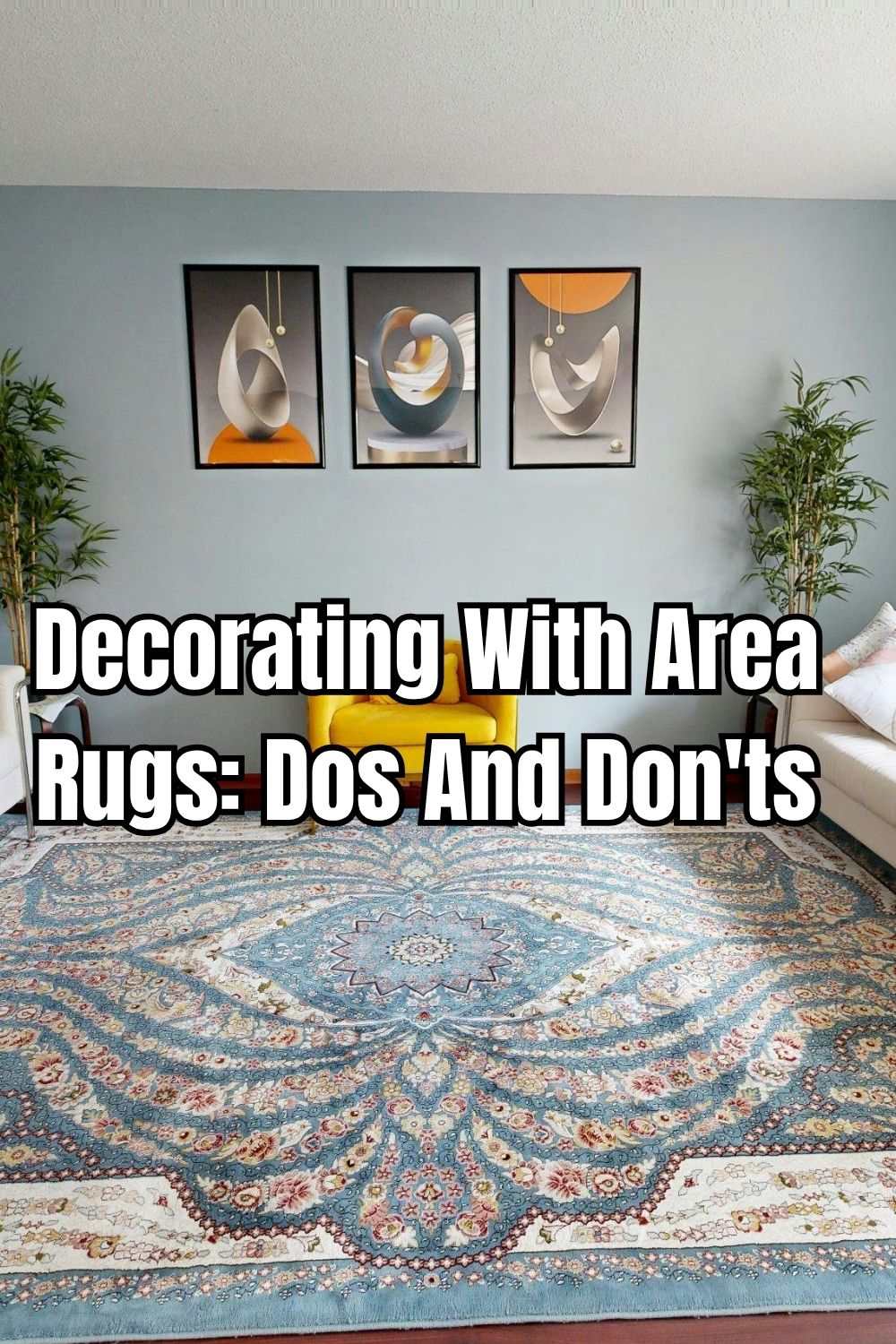
Decorating With Area Rugs: Dos And Don’ts
Area rugs act as the anchor for any room. They provide comfort under your feet and help define the boundaries of your living space. Selecting a piece that matches your lifestyle involves looking at both durability and design.
Choosing the right one involves more than just picking a color you like. You need to think about size, material, and how the piece interacts with your furniture. A great rug changes the entire mood of your home immediately.
The Importance Of Early Planning
Many people wait until the end of a renovation to pick out floor coverings. Picking a rug at the last minute often leads to frustration when the item does not match the wall paint or the sofa fabric. You might find that your dream rug clashes with the existing decor in the room, which wastes time and money.
Expert designers suggest that selecting these pieces early in the process is a better strategy. A popular news outlet reported that professionals prefer choosing rugs first since they influence every other design decision. It helps you build a cohesive look from the ground up without any guesswork.
Getting the size right is just as important as the timing of your purchase. A contemporary rug guide noted that a rug should be at least 6 to 8 inches larger than your sofa on either side. Measuring your furniture early helps you find a piece that pulls the entire living area together.
Selecting The Perfect Dimensions
A rug that is too small can make a large room feel disjointed and unfinished. It makes the furniture look like it is floating without any connection to the floor. Choosing the right size provides a solid foundation for your interior styling.
Oversized options often provide a sense of luxury and unity that smaller mats cannot achieve. Finding affordable carpet solutions makes it easier to get the right dimensions without overspending on your budget. Larger pieces create a sense of scale that smaller floor coverings often lack.
You should aim to have all furniture legs sitting on the rug if the space allows for it. If the room is tight, having just the front legs on the weave is a good alternative. Proper scaling keeps the room balanced and comfortable for everyone who visits your home.
Defining Your Living Spaces
Modern homes often have open floor plans that need visual cues to separate different areas. Rugs are perfect for creating zones for sitting, reading, or watching television. They act as invisible walls that tell your guests where one room ends and another begins.
Texture is becoming a major player in how these zones are defined for the coming year. A flooring blog noted that texture-rich weaves like looped piles and raised patterns are taking center stage in 2026. These tactile elements add depth to a room without overwhelming the senses – even in minimalist layouts.
Using different textures helps distinguish one area from another without needing physical walls. It creates a layered look that feels warm and intentional throughout the house.
- Looped piles for high traffic areas
- Raised patterns for visual interest in the lounge
- Soft wool for cozy reading corners
Dining Room Placement Rules
Placing a rug under a dining table requires a bit of math to make things work. You want to make sure guests can move their chairs without getting caught on the edges. A rug that is too small makes for an awkward dining experience.
Proper clearance is necessary so the chair legs stay on the flat surface at all times. An expert guide suggested allowing 60 to 70 cm beyond each side of the table so chairs remain on the rug when pulled out. The extra space helps people sit down and stand up without any struggle.
Trip hazards are common when rugs are too small in this area. A generous border keeps the space safe and looking professionally styled. It protects your floors from the constant movement of heavy chairs and prevents spills from reaching the bare wood.
Modern Color Palettes For Your Floor
Colors go through cycles just like any other fashion trend. Grey was the standard for a long time, but the preference is moving toward warmer tones. These new shades make a room feel more lived-in and comfortable.
Neutrals are shifting toward shades that feel more organic and inviting. One flooring school noted that taupe, beige, and creamy off-whites are replacing cool greys as the new base for 2026. These colors provide a timeless foundation for any style of furniture you choose.
Warmer colors work well with natural wood furniture and indoor plants. They provide a soft backdrop that does not compete with your art or decor. Choosing a neutral base allows you to swap out smaller accessories as your tastes change over the years.
Softening Rooms With Round Rugs
Rectangular rugs are the standard, but round options offer a unique way to break up harsh lines. They work especially well in entryways or under circular tables. A round shape can make a cramped room feel more open and fluid.
Homeowners are looking for ways to add vintage charm and softer flows to their living areas. A design guide highlighted that round rug searches have increased by 50% as people look for these softer vibes.
Use a round rug when you want to draw attention to a specific architectural feature, like a bay window. It creates a focal point that feels natural and unforced.
- Try them in small foyers to welcome guests
- Use them to soften the lines in modern offices
- Place them in kids’ play areas for a fun look
Decorating your home with area rugs is an art that combines function with style. By following these basic guidelines, you can transform any room into a comfortable retreat. A good rug provides the perfect finishing touch to your hard work.
Take your time to measure your space and consider how the colors will age. A well-chosen rug will serve your home for many years to come. Your floors deserve the same attention as your walls and furniture.
Leave A Reply!