Learn the art of creating a home that feels calm, personal, and truly yours with intentional choices and mindful design.
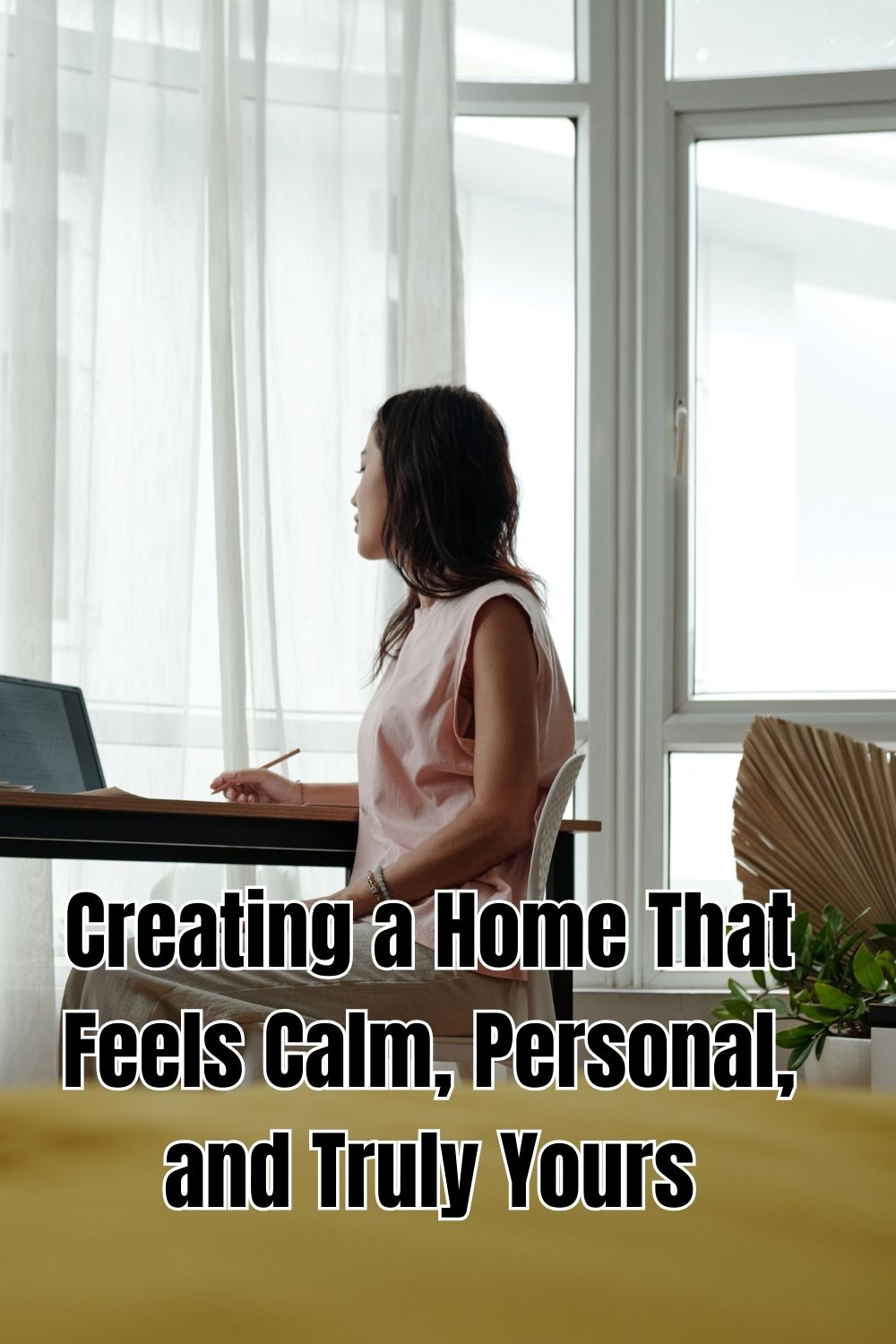
Creating a Home That Feels Calm, Personal, and Truly Yours
Let’s have a look at how you can build a space that feels more grounded, welcoming, and fully yours.
Start With How You Want to Feel
Before you move your furniture or buy anything new, you need to take a pause and think. Ask yourself a simpler question: How do I want to feel when I walk into my home? Do you want it to be calm, cozy, focused, energized, or safe? It’s up to you.
Most people skip this step and go straight to copying trends, but trends do not always create comfort and a home that feels like yours. If you want calm, those soft lighting and neutral tones are important. If you want energy, then you should be adding brighter accents and open space.
When your home reflects your emotional goals, everything else feels more intentional. You’re not decorating for other people; you are shaping your daily experience.
Clear the Visual Noise
Clutter is more than physical masses; it’s something that is a mental distraction. When every surface is crowded, your brain stays on alert, and you feel restless without knowing why.
You need to make sure that you address this. Start off small and choose one area, such as a bedside table or a kitchen counter.
Remove everything and then put back only what serves a purpose or adds real meaning. This process is not about being minimalistic; it’s all about having clarity. When your environment feels lighter, your thoughts are going to often follow this.
Use Lighting to Change the Atmosphere
Lighting changes absolutely everything. Harsh overhead lights can make a room feel cold and clinical; soft, layered lighting creates more warmth. Add table lamps, use warm-toned bulbs, and light candles in the evening instead of relying on ceiling fixtures.
Even something as simple as incorporating personalized candles in your space can shift the atmosphere. A familiar scent, title, or memory, or a meaningful word or phrase printed on the label, adds both warmth and identity.
Scent and light work really well together, and they signal to your brain that it’s time for you to relax. There’s no need for you to have loads of different decorative items; sometimes, just a few sensory details make the biggest difference.
Create Small Ritual Corners
Every home benefits from having an intentional corner, which could be used as a reading chair for a soft blanket or a small window. Maybe it’s a coffee station arranged with your favorite mug.
This space does not need to be larger; it just needs to be consistent. When you return to the same chair every morning with your coffee, it becomes more than furniture; it becomes routine, and it becomes very grounding. These small rituals create structure in your day and help to reduce stress.
Choose Meaning Over Quantity
Many homes feel crowded because they collect things without even thinking, souvenirs, decorative items, sale purchases that felt right at the time, but they’re just not right for the home. Instead of adding more to your home, consider curating what you already have.
Display objects that tell a story; perhaps it’s a framed photo from a trip, a book that shaped your thinking, or a gift from someone important. When each physical item carries meaning, your home starts to reflect your life rather than feeling like you’re just filling space. Quality matters more than quantity.
Keep Comfort Practical
Comfort does not need to look like Steve. Focus on textures, soft rocks under your feet, cushions that actually support your back, and bedding that feels good against your skin. You should invest in items you use daily, such as a comfortable mattress, supportive seating, and curtains that help soften harsh light.
These are practical upgrades, but they are ones that really improve your daily life more than any decorative ones ever going to do. When your body feels comfortable, your mind follows.
Bring Nature Inside
Nature grounds people; even small touches help. A plant on your windowsill, fresh flowers once a week, or a bowl of fruit on the counter, natural materials can make a difference, such as wood, linen, cotton, and stone.
There’s no need for you to turn your home into a greenhouse; just add a few small reminders of the outside world. They help us soften the edges of modern living.
Set Boundaries Within Your Space
If you work from home, boundaries matter even more. Avoid letting work spread into every room; designate one area for tasks and keep the rest of your home separate. When your laptop sits on the dining table all evening, your mind never fully relaxes.
Clear boundaries create mental separation, so when you step away from your workspace, you will fully feel like you are off duty. This helps to protect your rest time, and rest improves everything.
Conclusion
Creating a calm personal home is not about copying magazine spreads or chasing trends that you have spotted on social media; it’s all about having clarity in your own space.
Decide on how you want to feel, remove what distracts you, and add warmth through lighting and scent. Think about adding a few small ritual areas and choosing meaningful objects to put in your home.
Small adjustments build up over time, and you do not need to have any dramatic transformation in order for your home to feel more like yours; you just need a few thoughtful steps. When your home reflects your values and supports your routines, it becomes more than a place that you live; it becomes a place that restores you.
Leave A Reply!