Explore common issues found in family homes and learn how to identify and manage them before they escalate.
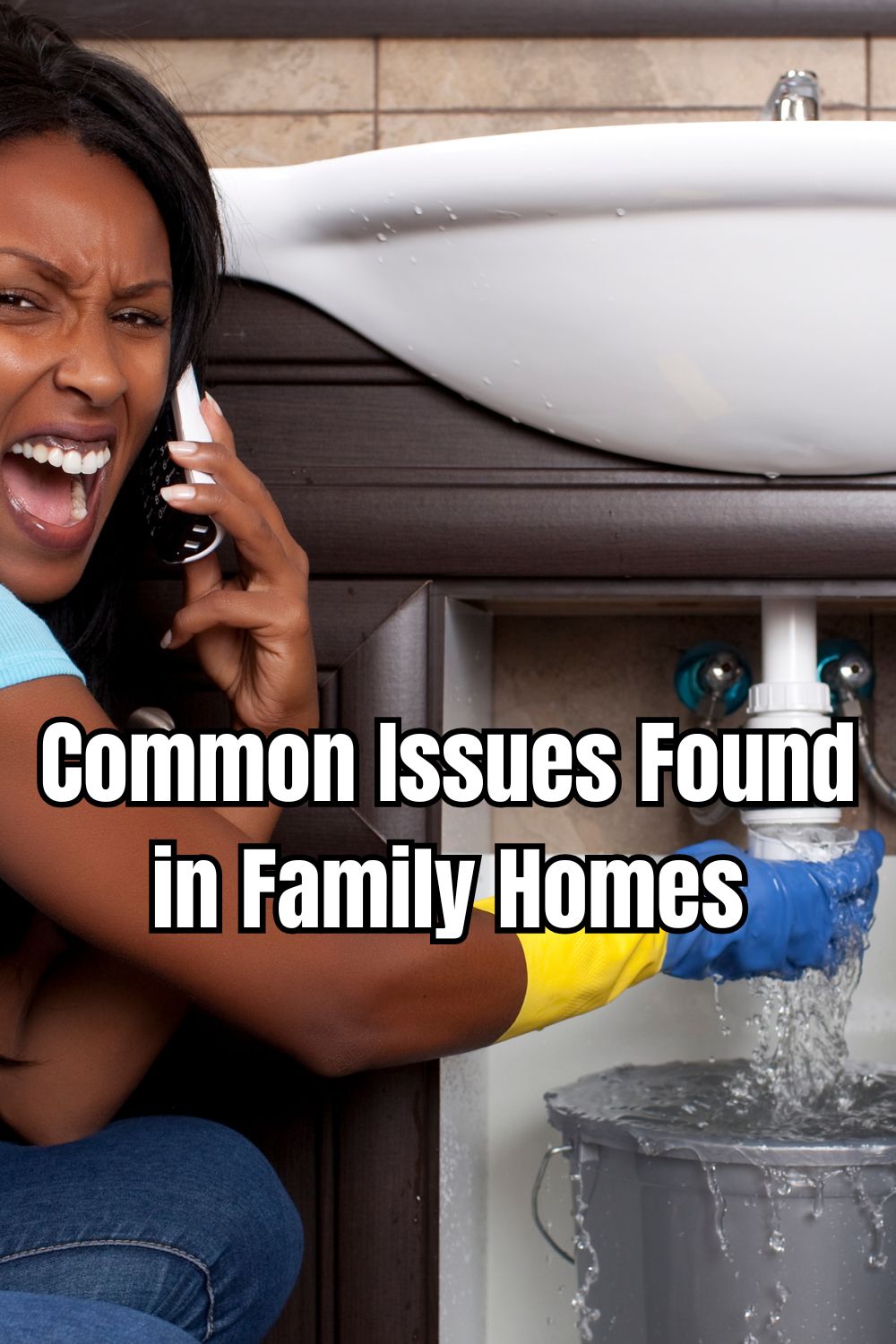
Common Issues Found in Family Homes
Owning a home is a big part of life for many families. It brings a lot of joy, but it brings a lot of work too. You might find that small problems show up when you least expect them. Keeping an eye on the common issues helps you stay ahead of the game.
This guide looks at what typical households face and how to handle these challenges before they get worse. Most problems start small and hide behind walls or under the floor. It is easy to miss a tiny leak or a small crack in the ceiling. If you know what to look for, you can keep your home safe for a long time.
Climate Change and Property Risks
The environment around us is shifting, and our houses are feeling the pressure. A recent study from Harvard University pointed out that wildfires are causing an unusual amount of damage to neighborhoods across the nation. This trend means that owners need to be more aware of their surroundings and the materials used in their construction.
Extreme weather can damage even the strongest buildings in just a few hours. High winds and heat put stress on every part of a structure. Checking your local risks helps you prepare for the unexpected. Living in a safe area starts with knowing how the local climate affects your specific lot.
Underground Systems and Maintenance
Sewer lines are often the most ignored part of a property until a backup happens. You can find more info in this California Coast Plumbers article on clay sewer pipes to see why older materials might fail over time. Replacing these old lines before they crack is a smart way to prevent yard damage.
Tree roots can find their way into tiny holes in your pipes. Once they get inside, they grow and block the flow of water. This leads to slow drains and bad smells in the house. Catching these problems early is much cheaper than digging up the whole lawn later.
Structural Foundations and Exterior Care
The skeleton of your house is the most expensive part to fix. Research from the Philadelphia Fed found that structural fixes for items like doors and roofs make up 54% of total repair expenses. These big-ticket items are the first line of defense against the elements.
A small crack in the foundation might seem like a minor thing. Water can seep in through these gaps and cause mold or rot in the wood. Fixing the exterior helps protect the inside of your living space. Regular walks around the outside of your home can help you spot these issues early.
Indoor Climate Control Reliability
Staying comfortable inside is a priority when the seasons change. One property maintenance group found that air conditioning is the top cause of all property concerns. It accounts for more than 14.2% of the problems reported by residents in various buildings.
Dust builds up in the vents and makes the machine work harder. This extra work leads to higher energy bills and broken parts. Cleaning the system once or twice a year keeps it running smoothly. You will save money on repairs and stay cool during the hottest months of the year.
Spending Habits for Home Upkeep
People of all ages are putting more money into their living spaces. An industry report from 2024 showed that Millennials are spending about $2,316 on yearly upkeep. This is $1,000 more than what other generations spend on their properties.
Spending money on maintenance now prevents bigger bills later. Younger homeowners seem to understand that a well-kept house holds its value better. They are focusing on small fixes before they turn into major projects. This proactive approach helps keep neighborhoods looking good and safe for everyone.
Accessibility and Home Modifications
A house needs to work for everyone who lives there, regardless of their physical needs. Scientific articles have highlighted that bathroom modifications and ramp installations help people live independently. These changes make it easier for every family member to move around safely.
Simple updates can make a massive difference in how a room feels. Adding non-slip mats or brighter lights helps prevent falls.
- Adding sturdy grab bars in the tub.
- Changing doorknobs to lever handles.
- Lowering light switches for easier reach.
- Installing smart lights that turn on with motion.
Planning for these updates is a smart move for any long-term resident. You do not have to wait for an injury to make your space safer. Thinking ahead lets you choose styles that match your decor. A safe home is a comfortable home for everyone involved.
Small efforts today prevent giant problems tomorrow. Your house is more than just a building – it is the place where your family grows. Take care of it, and it will take care of you for many years to come.
Leave A Reply!