Co-parenting from two countries before reunification requires coordination. Discover how to manage routines and decisions effectively.
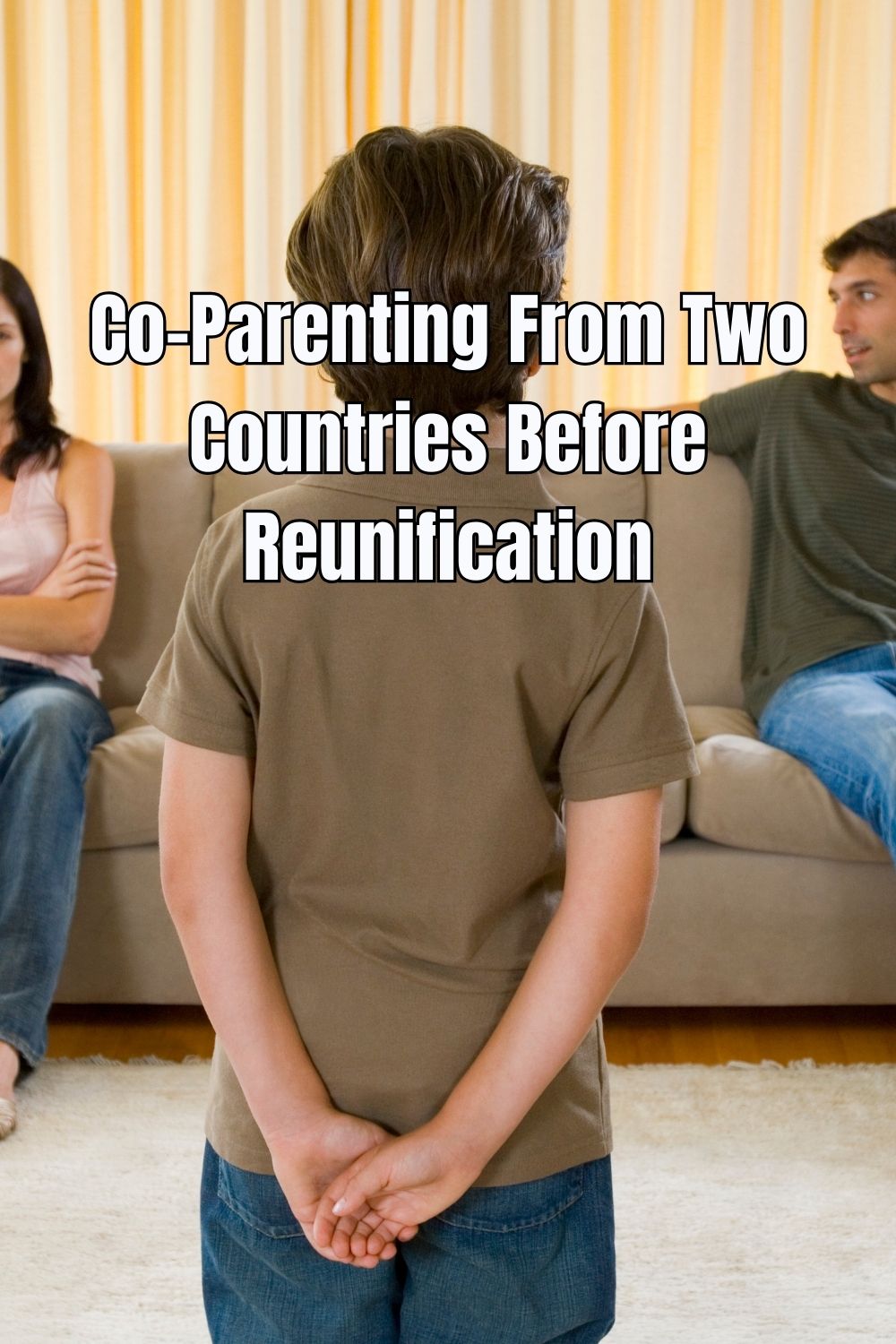
Co-Parenting From Two Countries Before Reunification
Co-parenting across two countries is not simply long-distance parenting. It is parenting shaped by immigration timelines, travel restrictions, legal documents, and time zone differences. Decisions that might feel straightforward in a shared household require coordination, patience, and frequent clarification. Every choice, from schooling to medical care, must be discussed across borders, often while one parent manages daily routines alone and the other works toward reunification.
For families with plans centred around the UK, the separation period can feel structured yet uncertain at the same time. Immigration pathways create a a structured route, but the waiting phase still requires stability at home. During this stretch, parenting becomes a joint effort carried out through screens, scheduled calls, shared documents, and long-term planning. The focus remains steady: keeping children secure while building toward living together again.
Coordinating Long-Term Reunification Plans
Reunification does not happen spontaneously. It requires a timeline, clear documentation, and financial preparation. Parents must align their decisions with projected relocation dates, especially when schooling, housing, and employment are involved. Discussing realistic milestones early reduces confusion later and allows children to understand that separation has structure rather than uncertainty.
When immigration processes are part of the plan, preparation becomes even more detailed. For example, navigating a Spouse Visa UK application involves collecting documents, meeting eligibility requirements, and waiting for formal approval before relocation can occur. During this period, co-parents must continue daily routines without letting immigration stress disrupt stability at home. Keeping children informed in age-appropriate ways while maintaining consistency becomes central to protecting emotional balance.
Creating Consistent Parenting Rules Despite Distance
Distance can unintentionally create different standards between households. Bedtimes, screen time limits, discipline approaches, and academic expectations may drift apart if not discussed regularly. Children quickly notice inconsistencies, and those differences can create confusion or tension.
Establishing shared guidelines helps reinforce continuity. Regular conversations about expectations allow both parents to remain aligned, even if implementation happens separately. Digital tools such as shared calendars or written agreements can clarify routines. Consistency reassures children that parental cooperation continues, even across borders.
Maintaining Cultural Identity in a Cross-Border Arrangement
Living apart often means children experience daily life within one country while anticipating reunification in another. Language use, traditions, and cultural references may shift depending on which parent they are physically with. Without intentional effort, one culture may become dominant while the other fades into the background.
Maintaining cultural continuity requires planning. Celebrating holidays from both countries, encouraging bilingual communication, and sharing stories about extended family strengthen a child’s sense of belonging. Rather than presenting relocation as a replacement of one identity with another, parents can frame it as an expansion of cultural experience. This balanced approach helps children prepare emotionally for living in a new environment without feeling disconnected from their roots.
Managing Emotional Transitions for Children Awaiting Reunification
Waiting periods often bring mixed emotions. Children may feel excitement about the prospect of living together again while also feeling anxious about leaving familiar routines. These emotions can surface unpredictably, especially when timelines feel uncertain.
Providing honest but steady reassurance is important. Parents can discuss upcoming changes gradually, allowing children to ask questions and express concerns. Maintaining daily routines, school involvement, and friendships helps preserve stability while long-term plans move forward.
Sharing Medical Records and Healthcare Decisions Internationally
Healthcare becomes more complex when parents reside in different countries. Medical systems vary, and access to records may not transfer automatically across borders. One parent may attend appointments physically while the other participates remotely, which requires coordination and transparency.
Maintaining organised copies of medical records, vaccination histories, and insurance information ensures both parents remain informed. Clear agreement about consent authority for treatment avoids confusion during urgent situations. Open communication between parents and healthcare providers supports continuity of care and protects the child’s well-being throughout the separation period.
Preparing Children for Immigration Interviews or Documentation Processes
Immigration procedures sometimes involve children directly, whether through documentation requirements or interview participation. These experiences can feel intimidating if not explained carefully. Clarity about what to expect helps reduce anxiety and builds confidence.
Parents can prepare children by discussing the purpose of the process in simple, honest terms. Explaining why documents are needed and what questions might be asked allows children to approach the situation calmly. Preparation reinforces the idea that the process is part of a structured plan rather than a source of uncertainty.
Balancing Career Commitments While Managing Long-Distance Parenting
During separation, one or both parents may be adjusting to new work environments, time zones, or financial responsibilities. Professional obligations can complicate communication schedules and availability. Coordinating across countries requires deliberate time management.
Setting predictable call times and protecting communication windows from work interruptions demonstrates commitment to the parenting partnership. Financial planning during this phase also demands clarity, particularly if relocation costs or immigration fees are involved. Maintaining steady employment while nurturing consistent contact with children strengthens stability during the transition.
Clarifying Parental Authority in Emergencies Across Countries
Emergencies require swift decisions, and cross-border arrangements can complicate authority if expectations are unclear. Parents must determine who has decision-making power for urgent medical or legal matters while living separately.
Documenting agreements in writing, sharing access to important records, and ensuring that schools and healthcare providers understand the family structure prevents confusion during high-pressure situations. Clear emergency protocols protect children and reduce delays when immediate action is needed.
Coordinating Travel Visas for Short-Term Family Visits
Short-term visits often bridge the emotional gap before full reunification. Organising travel visas, entry permissions, and transportation logistics requires careful attention to timelines and documentation requirements.
Advance planning prevents last-minute obstacles and allows children to look forward to scheduled visits with confidence. Even temporary reunions reinforce family continuity and provide tangible reminders that separation is part of a defined journey rather than an indefinite state.
Co-parenting from two countries before reunification demands organisation, emotional steadiness, and shared responsibility. Legal processes, travel logistics, and cultural transitions shape daily decisions in ways that require ongoing communication. When parents remain aligned in their approach, distance becomes a temporary condition rather than a destabilising force. Structured planning and consistent collaboration lay the groundwork for a smoother transition once living together in the same country becomes possible.
Leave A Reply!