Explore the best uses for heated vests, covering outdoor work, winter sports, and emergency response for optimal comfort.

Table of Contents
- Introduction
- Outdoor Workwear
- Winter Sports and Recreation
- Military and Tactical Operations
- Emergency and Disaster Response
- Healthcare and Patient Comfort
- Technological Advancements in Heated Vests
- Safety Considerations
- Conclusion
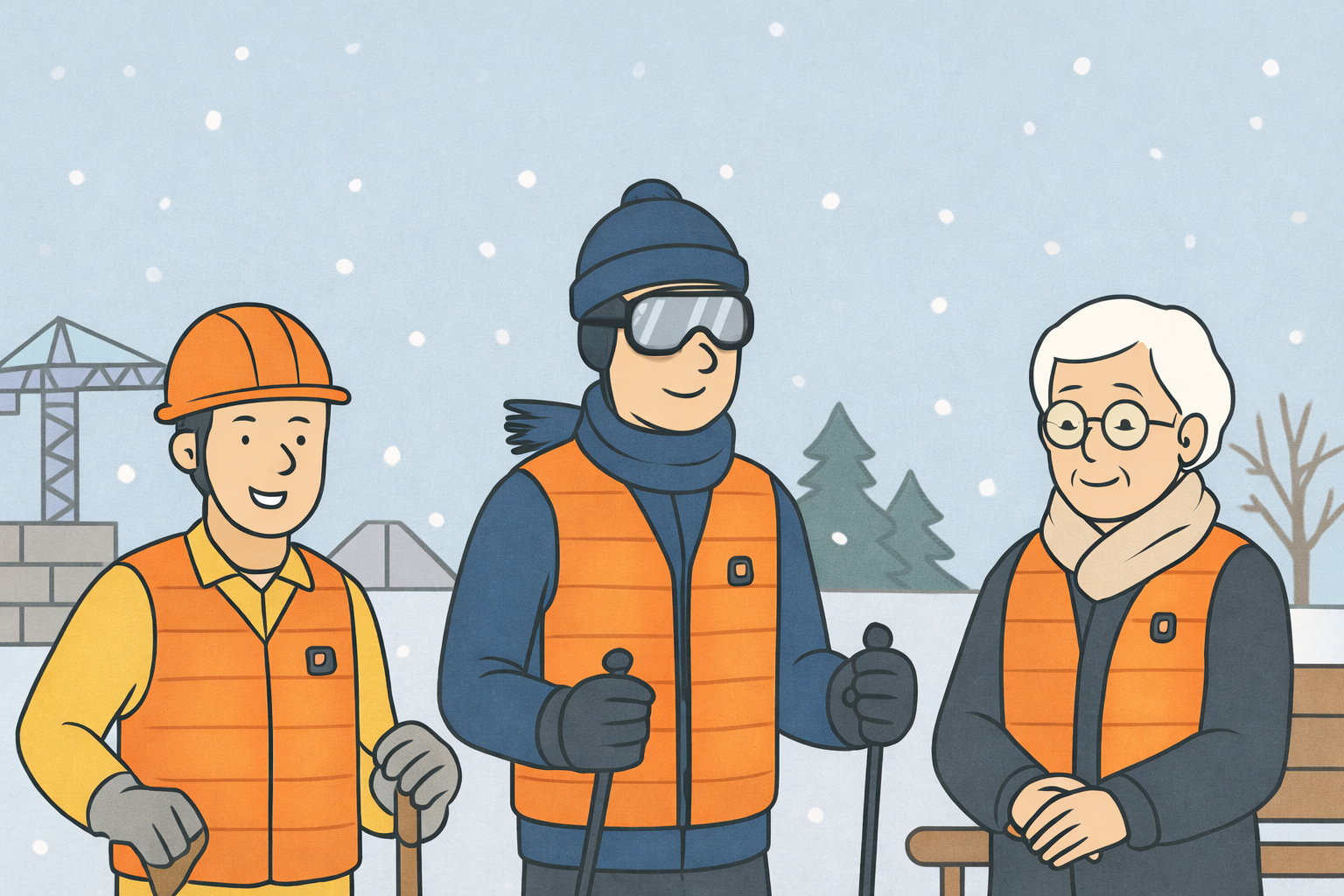
Heated Vests at ActionHeat will change how people work in the cold while keeping them warm. With the ability to regulate the user’s core temperature without having to wear an oversized garment or multiple layers of clothing, these heated vests are becoming very popular for people who work outdoors during the winter months. Heated vests are also popular for other areas such as winter sports and to help people manage health conditions. New technologies in heated vests allow for adjustable heat, lightweight materials, and energy-efficient heating, providing more comfort and better mobility to users. Due to increased durability and versatility, heated vests have become a necessary component of every cold weather clothing ensemble.
Outdoor Workwear
Winter outdoors can cause many issues for someone working in an outdoor setting. Working outside in the winter can lead to decreased dexterity, and employees are more at risk for cold-induced illness due to the cold. There is some very good equipment available that helps to keep outdoor workers warm and improve worker performance, therefore lowering absenteeism from work due to injury; however, the one piece of equipment that many employees find to be beneficial to keep them warm, improve their focus and provide an overall safer working environment for outdoor workers is heated vests. Reports have shown that wearing heated vests increases the comfort and productivity of workers, making working outside safer for outdoor workers.
Winter Sports and Recreation
Many winter sports lovers (including those who enjoy skiing, snowboarding, hiking and ice fishing) appreciate heated vests for their ability to be worn in combination with other clothing layers, because of their lighter weight than traditional insulated jackets. The results of a recent survey indicated that most respondents feel their experience would be greatly affected if they did not wear heated vests while exposed to harsh, windy outdoor conditions. As a result of this demand, some outdoor stores are adding more options to their inventory for heated vests, including those with state-of-the-art rechargeable batteries for extended periods of use.
Military and Tactical Operations
Military missions frequently require individuals to spend extended periods of time in extreme cold climates and maintaining body temperature is vital to performing at a high level of readiness and physical endurance. Tactical heated vests are designed and constructed for durability and functionality while allowing for integration with existing gear and uniforms. According to field reports, tactical heated vests have allowed soldiers to remain alert and have helped to prevent serious cold-related injuries. In addition, for consistency, quality assurance and compatibility within military issued gear configurations, all tactical heated vests are subjected to rigorous testing protocols.
Emergency and Disaster Response
During winter, emergency service responders and disaster relief workers utilize heated vests as a mobile heat source to help them work more efficiently when they respond to incidents or events. Studies indicate that this technology can help reduce cold weather-related injuries and increase focus in high-stress environments.
Healthcare and Patient Comfort
Heated vests provide an excellent means for providing warmth to patients in a healthcare facility setting (hospital, elder care) who are easily chilled; these patients may have poor blood circulation due to diseases, recovering from surgical procedures, etc. Additionally, heated vests can aid in relieving the pain of patients by relieving discomfort from conditions such as arthritis, Raynaud’s phenomenon, etc. by providing a continuous source of heat in addition to traditional therapies, thereby improving blood circulation and overall comfort.
Technological Advancements in Heated Vests
Heated vests have been improved over time in both how they are designed for greater comfort and in providing for greater safety for the user. New heated vests are made with lightweight, flexible carbon fiber heating elements so they have become much more efficient at heating the wearer. The user can control how much heat is produced from their heated vests at any time by using rechargeable batteries to power them. Most heated vests today also have automatic shut-off and built-in safety sensors, which makes it safe and easy for a user of any age to use their heated vests safely and responsibly.
Safety Considerations
The first thing to check for in heated vests is safety features such as an intelligent temperature management system and an NTC (Negative Temperature Coefficient) protection system which will switch off the heating elements if they get too hot. Second, make sure the vests you choose have batteries from companies that have been certified by a recognized safety organization (UL, ETL, etc.) to avoid electrical issues.
Conclusion
As the demand for heated apparel continues to grow, heated vests are quickly becoming a necessity for people working in cold environments or needing therapeutic heating. Heated vests provide localized heat through the utilization of advanced safety and energy efficient designs, thereby guaranteeing users enjoy comfort and remain productive. The continual advancement of technology makes it likely that as these inventions evolve, they will be used in greater numbers and by a variety of industries.
Leave A Reply!