Discover the numerous benefits of year-round swimming lessons for children, including skill retention and physical development.
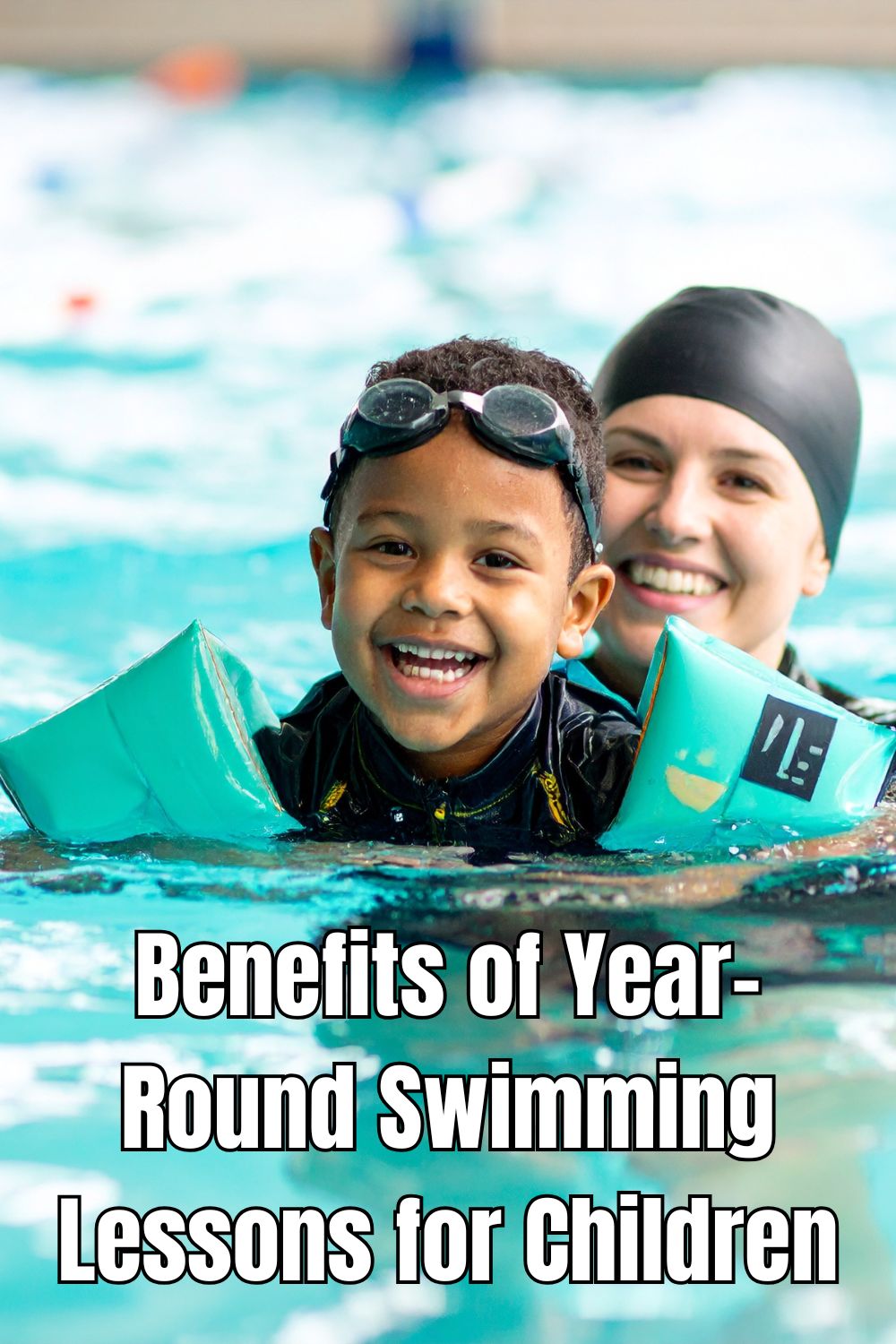
Benefits of Year-Round Swimming Lessons for Children
Key Takeaways
- Consistent swimming lessons significantly reduce the risk of drowning.
- Year-round practice promotes physical fitness and muscle development.
- Regular swimming boosts children’s confidence and social skills.
- Continuous lessons ensure skill retention and progression.
Swimming goes far beyond being a beloved summer pastime. It is an essential life skill that, when practiced consistently, yields numerous physical, emotional, and developmental rewards. Many parents consider signing their children up for seasonal swim programs, but the advantages of year-round lessons are far greater. For families seeking the top swimming schools, prioritizing ongoing instruction is vital for children’s safety and growth, both in and out of the water.
Beyond preventing seasonal regression, year-round swimming fosters improved health, greater confidence, and adaptability. Regular instruction ensures that each skill is retained and strengthened, rather than lost to long breaks away from the pool. These combined benefits extend well past the confines of the swimming pool, shaping positive habits and safety awareness for a lifetime.
Enhanced Water Safety
One of the most important reasons to pursue year-round swimming lessons is to reduce the risk of drowning significantly. The Centers for Disease Control and Prevention (CDC) reports that drowning is a leading cause of injury-related death among young children, particularly those aged 1 to 4. Consistent instruction keeps essential water safety skills sharp and reinforces core techniques, such as floating, treading water, and recognizing dangerous situations. Studies show that formal lessons decrease drowning risk by as much as 88% in the most vulnerable age group.
Physical Fitness and Development
Swimming is an exceptional total-body exercise that uniquely blends aerobic activity with strength training. Unlike high-impact sports that may stress developing joints, swimming is gentle yet highly effective for building strong muscles, improving cardiovascular health, and enhancing stamina, balance, and coordination. It helps children of all ages maintain a healthy weight and encourages the development of motor skills that translate to other sports and activities. The American Academy of Pediatrics highlights swimming as one of the best activities for children because it’s accessible, safe, and promotes lifelong fitness habits.
Boosted Confidence and Social Skills
Enrolling children in regular swimming lessons empowers them to tackle challenges, build new skills, and celebrate consistent progress. This fosters a sense of accomplishment that transfers well into other areas of life. Swimming with peers also provides a unique setting for developing invaluable social abilities—children learn to cooperate, communicate, and support one another in a group environment. In turn, this nurtures emotional growth and helps them establish resilient friendships both in and out of the water.
Consistent Skill Retention and Progression
Many children forget key swimming techniques if too much time elapses between lessons. To prevent skill regression, year-round lessons provide steady practice, helping kids retain what they’ve learned and continue improving. This means less time spent reviewing old material and more time spent mastering advanced strokes, diving, and other aquatic skills. Consistency is crucial for building real confidence in the water and preventing progress from stalling due to seasonality.
Adaptation to Various Water Environments
By participating in lessons throughout every season, children gain exposure to different pool conditions, temperatures, and water types. This adaptability is vital for building comfort and competence in all aquatic environments—whether at a local pool, lake, or beach or during family vacations. Recognizing how water conditions can change and being comfortable reacting calmly in new situations are invaluable life skills for children.
Improved Mental Health
Swimmers regularly benefit from the mood-boosting effects of endorphins released during exercise. The rhythmic and meditative quality of swimming provides much-needed stress relief and is linked to reduced symptoms of anxiety and depression in youth. Additionally, mastering new skills in the water helps children build resilience, equipping them with healthy coping mechanisms to overcome life’s challenges outside the pool.
Preparation for Competitive Swimming
If a child expresses interest in competitive swimming, year-round instruction is critical for laying a strong foundation. Consistent, ongoing lessons provide swimmers with opportunities to hone proper technique, ensure efficient stroke development, and build the endurance needed for competition. Progress made during the off-season can set swimmers apart from their peers when it comes time for competitive events, greatly increasing their confidence and readiness.
Conclusion
Investing in year-round swimming lessons gives children substantial advantages that extend far beyond the pool. With improved safety, health, social connections, and self-confidence, consistent instruction establishes lifelong habits that will serve them well into adulthood. Whether your family is looking to boost physical fitness, foster social growth, or prepare for a future in competitive swimming, ongoing lessons offer the ideal pathway to safer, more successful swimming experiences.
Leave A Reply!