Learn the benefits of early water safety skills for young children to reduce drowning risks and promote aquatic confidence.
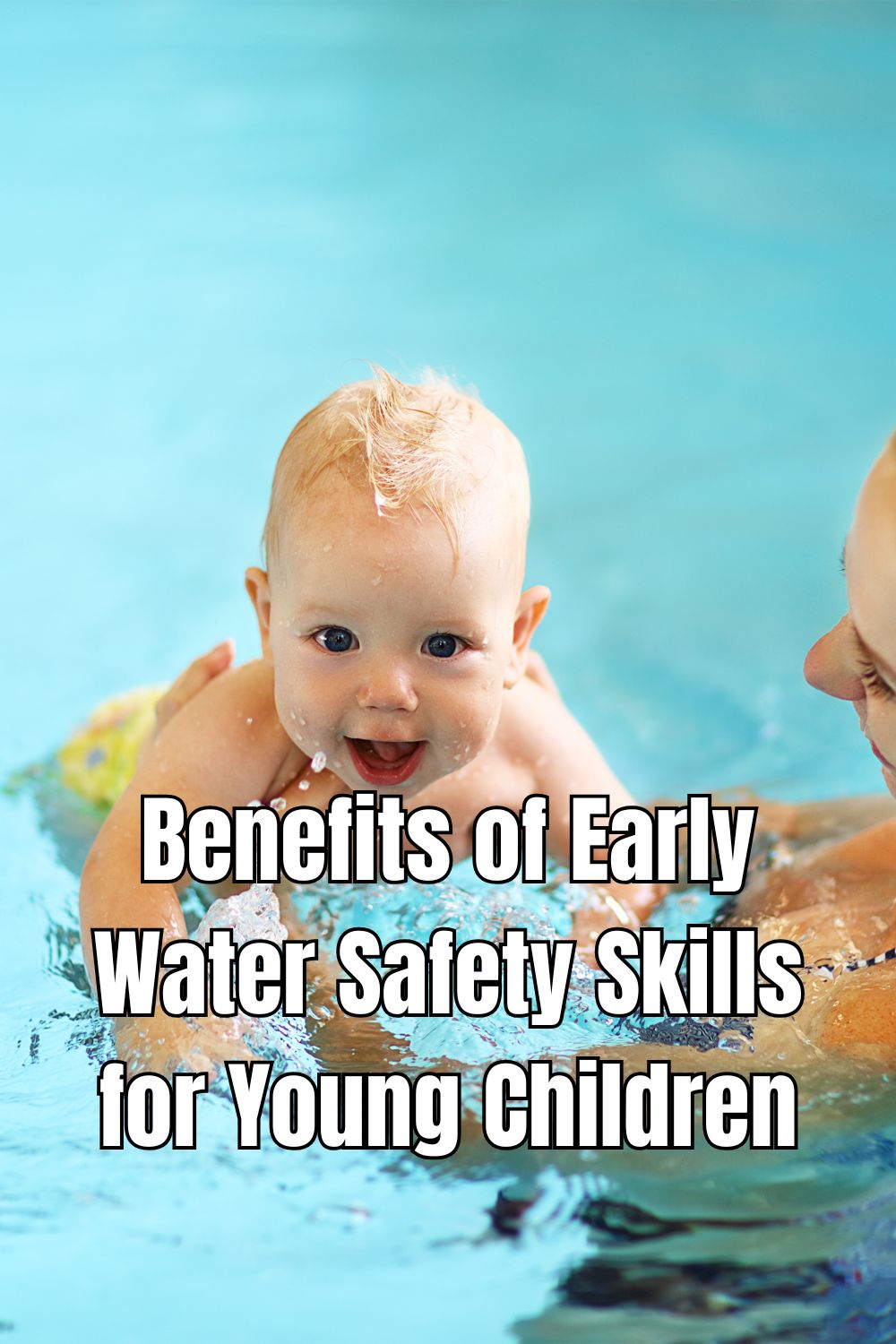
Benefits of Early Water Safety Skills for Young Children
Key Takeaways
- Early swim lessons can reduce the risk of drowning by up to 88% for children aged 1 to 4.
- Water activities promote physical, cognitive, and social development in young children.
- Parental involvement and consistent practice are crucial for reinforcing water safety skills.
Introducing water safety skills to children at a young age is one of the most significant steps parents can take to ensure the safety and well-being of their kids around water. Developing these skills early decreases the risk of water-related accidents and helps build a foundation for lifelong confidence and security in aquatic environments. For parents in Houston and New York City seeking the best way to begin this journey, Swimjim offers highly reputable toddler swim lessons. SwimJim, is a trusted leader in swimming education with over 20 years of experience, has built a reputation for providing expert, age-appropriate instruction that prioritizes safety, confidence, and lifelong swimming skills.
The value of early aquatic education goes beyond basic safety. Engaging young children in structured water activities helps them adapt to water environments, reduces anxiety associated with unfamiliar settings, and introduces beneficial routines that promote healthy habits. Whether at home, in public pools, or during family vacations, children who have been introduced to water safety fundamentals are more likely to respond calmly and appropriately in unexpected situations.
Reducing Drowning Risks
Drowning consistently ranks as one of the leading causes of accidental death among young children, particularly those aged 1 to 4. Formal swim instruction that begins in the toddler years has been shown to reduce the risk of drowning by as much as 88% in this vulnerable age group. When children start early, they not only learn vital lifesaving skills, but they also become familiar with water-related rules and boundaries—essential knowledge for avoiding risky behavior around pools, lakes, or other bodies of water.
Physical Development
Water activities are a powerful tool for fostering physical development in toddlers and preschoolers. Simple motions such as paddling, splashing, and balancing encourage the development of both gross and fine motor skills. Squeezing toys, pouring water between containers, and floating exercises all work to enhance hand-eye coordination, muscle tone, and core stability. Through regular exposure to aquatic movement, children develop increased strength, improved balance, and enhanced overall body awareness, which positively contribute to their developmental milestones.
Cognitive Growth
Cognitive development is stimulated every time a child interacts with water. Activities that involve sinking and floating objects, transferring water, or even blowing bubbles engage children’s curiosity about how things work. As they experiment and problem-solve in a safe setting, they develop reasoning skills and an understanding of cause-and-effect relationships. Concepts such as buoyancy and water displacement are introduced organically through play, paving the way for early STEM learning and cognitive development.
Social and Emotional Benefits
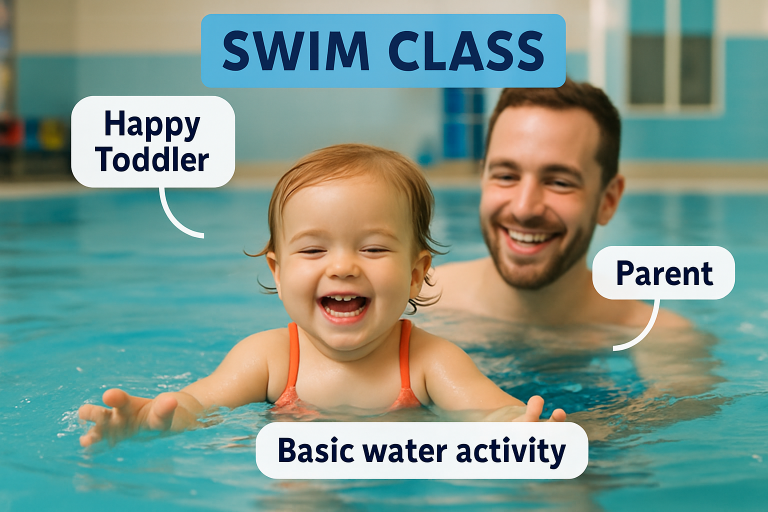
Besides safety and physical skills, early exposure to water-based group activities enhances social learning. Children who participate in swim classes are encouraged to follow instructions, take turns, share equipment, and support their peers. Successfully mastering new skills in the water also builds self-esteem, independence, and resilience. The sense of achievement when facing initial fears, combined with positive reinforcement, can have lasting positive effects on a child’s overall emotional well-being.
Parental Involvement
A child’s progress in water safety is significantly influenced by parental involvement. By joining their children in the water or actively supporting lessons, parents model safe behaviors and reinforce what is learned during instructional sessions. This shared experience not only strengthens the parent-child relationship but also creates opportunities for meaningful conversations about water safety, setting clear expectations, and boundaries for safe aquatic play.
Choosing the Right Program
Selecting an appropriate swim program lays the foundation for everything that follows. High-quality programs focus on more than just free play—they combine structured lessons with survival swimming techniques, water acclimatization, and emergency skills. Look for organizations with certified instructors, low student-to-teacher ratios, and lesson plans tailored to the unique needs of very young children. Programs like those offered by the American Red Cross and local YMCAs are widely recognized for their comprehensive approach and track record of safety.
Consistency and Practice
Like any developmental skill, retaining water safety abilities requires ongoing practice and consistency. Children become more confident and comfortable in water environments through regular exposure and repetition of essential safety techniques. Families are encouraged to incorporate water play and safety discussions into their regular routines, reinforcing lessons and cultivating respect for water in various settings, from bathtubs to community pools.
Final Thoughts
The benefits of introducing water safety skills early extend far beyond immediate safety—they contribute to a child’s holistic physical, cognitive, and emotional development. By enrolling their children in a reputable swim program and actively participating in their learning process, parents empower them to enjoy a lifetime of safe, confident aquatic experiences.
Leave A Reply!