Find the perfect fit with our simple guide to choosing the right blazer. Learn about styles, fabrics, and functions.
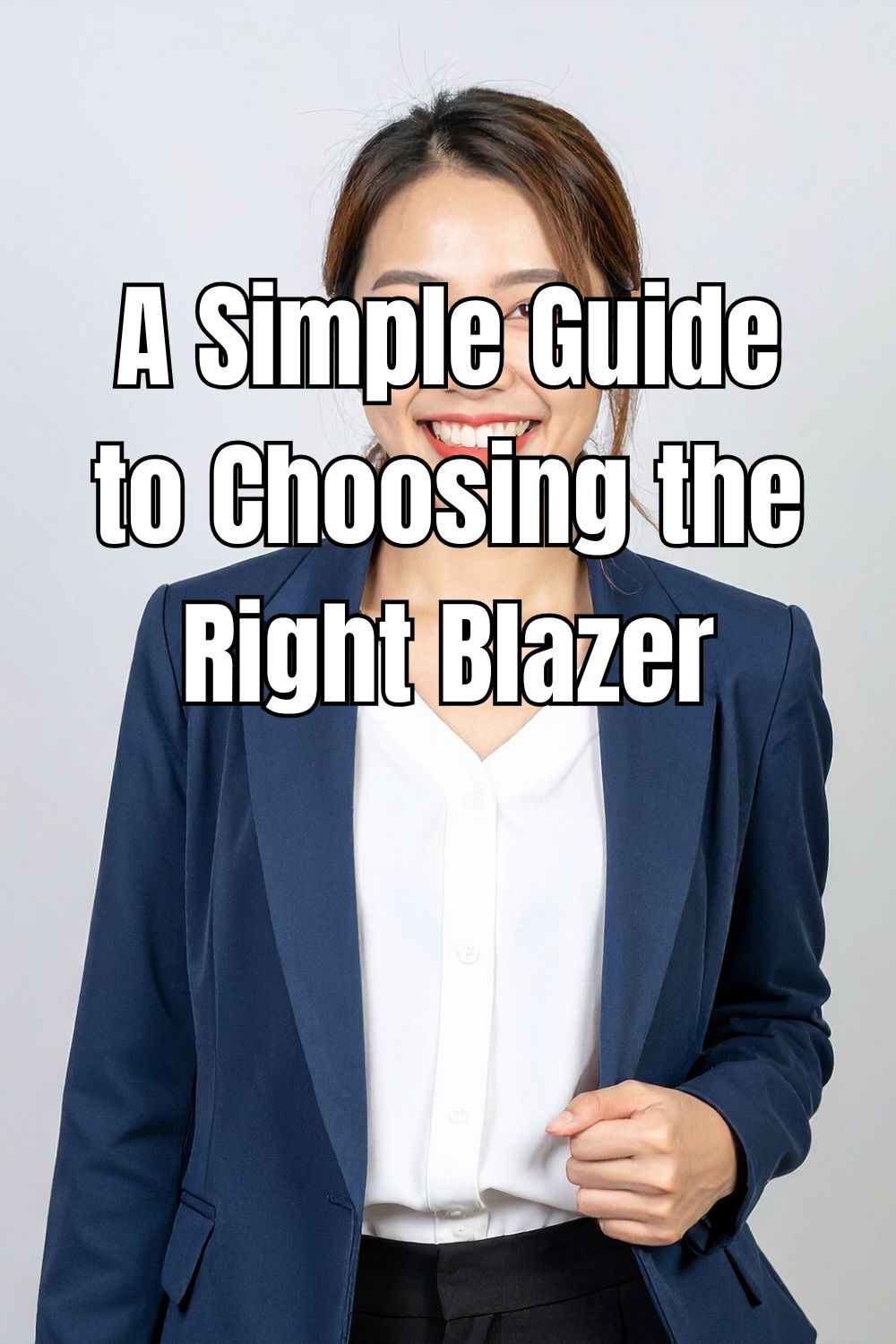
A Simple Guide to Choosing the Right Blazer for Your Wardrobe
Women’s blazers aren’t just office uniforms anymore. They’ve become wardrobe staples that can be styled for work, weekends, and evenings out. The right blazer has the power to make you look polished while still feeling comfortable — and with so many cuts, colors, and fabrics available, choosing one can feel overwhelming.
If you’ve ever tried on five blazers and felt like none quite worked, you’re not alone. A blazer should feel like a natural extension of your style, not just something you throw on because you “should.” That’s where being intentional about fit, fabric, and function comes in.
This guide breaks it down step by step so you can choose one that feels right for your lifestyle — and keeps you reaching for it again and again.
Choose a Women’s Blazer That Matches Your Lifestyle
The first thing to think about is how you’ll actually wear your blazer. Do you need something for work that looks professional but is still comfortable? Or are you after a casual piece that layers well over jeans and a tee?
For instance:
- Workwear blazers usually stick to structured cuts and neutral colors.
- Casual blazers might be unlined, softer in construction, or even slightly oversized.
- Event blazers often feature luxe fabrics, bold prints, or statement buttons.
This is also where investing in luxury women’s blazers makes sense. High-quality tailoring ensures the jacket drapes well and holds its shape over time. Brands like Zadig & Voltaire design blazers that don’t just look stylish — they balance edge and refinement, making them versatile enough to fit into multiple parts of your wardrobe.
Get the Fit Right From the Start
No matter the style, a poorly fitting blazer will never look sharp. The shoulders should line up with your natural shoulder line; too wide, and the blazer will sag; too narrow, and it will restrict your movement.
Other quick fit checks:
- Sleeves should hit right at the wrist bone.
- The lapels should lie flat without gaping.
- You should be able to button the blazer without it pulling across your chest or stomach.
Tailoring can fix small issues, but starting with a cut that already flatters your frame saves both time and money. If you’re between sizes, sizing up and tailoring down often gives the cleanest result.
Pay Attention to Fabric and Texture
Fabric changes everything about how a blazer feels and looks. Wool and tweed are warm and structured, perfect for cooler months. Cotton and linen are lighter, breathable, and ideal for spring and summer. Blended fabrics often give the best of both worlds — structure without stiffness.
Texture also plays a big role in versatility. Smooth, sleek fabrics look more formal, while textured weaves or brushed finishes lean casual. Owning one of each ensures you have a blazer for both laid-back and dressier occasions.
Color Can Make or Break a Blazer
You might think black or navy are the only safe options, but today’s wardrobes benefit from variety. Gray and beige are surprisingly flexible neutrals that pair with both light and dark tones. A plaid or check pattern can add interest without feeling overwhelming.
If you already have the basics covered, consider experimenting with bolder hues. A deep emerald, burgundy, or even a muted pastel can refresh your look instantly. Just make sure the color works with what you already own — otherwise, it risks sitting in your closet.
Single-Breasted vs. Double-Breasted Women’s Blazers
This choice is more about personal style than strict rules. Single-breasted blazers are classic, versatile, and suit almost every body type. Double-breasted blazers feel more fashion-forward, with a strong, structured silhouette.
If you’re only buying one blazer to start with, a single-breasted cut is usually the safest bet. It layers well, looks effortless when unbuttoned, and transitions easily from office hours to dinner out.
Small Details Make a Big Difference
It’s easy to get caught up in color and cut, but the finer points are what separate a jacket you wear twice from one you’ll reach for every week. Think about the lapel width — a slightly wider lapel can give presence without looking flashy. Linings also matter; a smooth, breathable lining makes the blazer easier to wear all day. Even something as subtle as matte vs. glossy buttons can change how the piece comes across — polished vs. relaxed.
Building a Blazer Collection Over Time
Most women don’t stop at one blazer. Once you’ve found a cut and fabric that feels right, it’s natural to want a second — maybe in a different season, or for a different setting. A well-thought-out collection grows slowly and deliberately.
Here’s a simple way to build it:
- Start neutral: Black, navy, or gray — pieces that go with nearly everything.
- Add seasonal fabrics: Linen for summer, wool for winter.
- Experiment with color: A deep green, burgundy, or even a pastel adds freshness.
- Try patterns: Checks or plaids are subtle but can make a simple outfit more interesting.
Final Thoughts
The right blazer isn’t about following strict fashion rules. It’s about finding a piece that fits comfortably, works with your lifestyle, and feels like you. By focusing on fit, fabric, and those small but important details, you’ll end up with a blazer that’s not just stylish but practical. And if you’re ready to invest in something that lasts, exploring designers like Zadig & Voltaire can give you that perfect mix of quality and edge.
Leave A Reply!