Explore factors that help maintain long-term horse riding interest in kids. Keep their passion alive with fresh and fun activities.
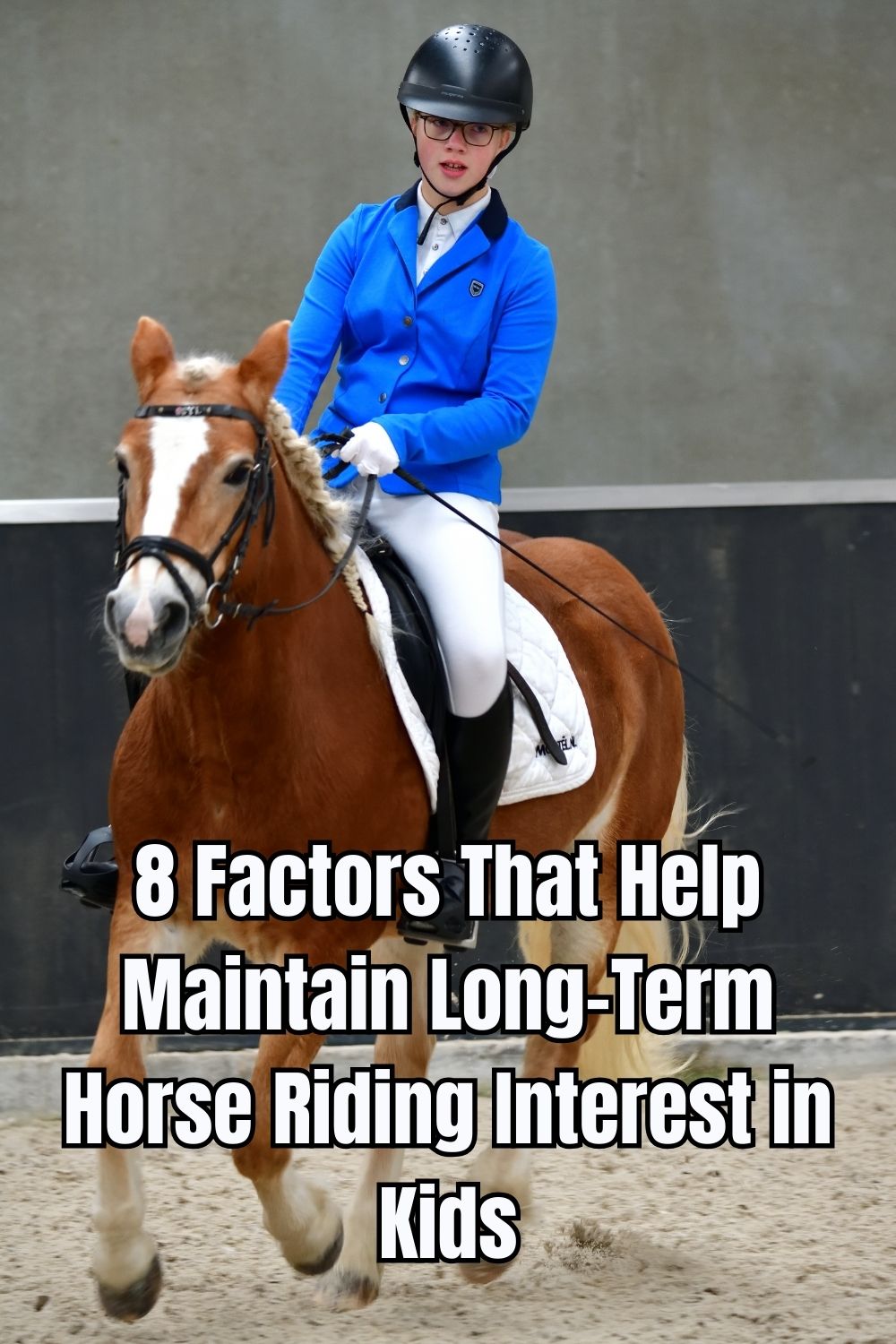
8 Factors That Help Maintain Long-Term Horse Riding Interest in Kids
Keeping kids excited about riding is part art, part structure. The aim is simple but important: help them fall in love with horses and keep that spark alive year after year. These factors give you a roadmap that works in busy barns and beginner programs alike.
Prioritize Fun And Variety
Kids stay longer when riding feels playful and fresh. Rotate activities so lessons never look the same two weeks in a row. Mix arena basics with patterns, poles, tiny trail loops, and stable chores that feel like mini missions.
Use stations to keep energy high. Set 10-minute blocks for things like cone figure-eights, a pole box, and a mailbox halt, then rotate groups so everyone tries everything. Offer a rider choice menu each week, so kids pick one challenge, which builds ownership and keeps motivation strong.
Lean on theme days to spark imagination. Try Pattern Party, Trail Tester, Groundwork Lab, or Bareback Balance minutes at the halt. Finish with a quick debrief where each rider shares one win and one wish for next time, so progress stays visible.
Make Safety Non-Negotiable
Trust is the base of every good lesson. Set clear rules for helmets, footwear, leading, mounting, and spacing in the ring. Review the why behind each rule so kids feel respected, not policed.
The CDC’s Heads Up program reminds families that no helmet stops every concussion, yet a proper equestrian helmet can help guard against serious brain or head injuries. Framing safety as a path to more fun helps kids buy in without fear or pushback.
Organize The Barn And Gear For Independence
Kids stick with riding when the space around the sport feels welcoming and easy to use. When you build an equestrian tack room, everyday tasks like tacking up or cleaning gear feel smoother, which keeps motivation high. Small systems make a big difference.
Quick Wins For Tack And Tools
- Label every bridle, saddle, and girth by horse and size
- Set up color-coded grooming kits at kid height
- Use open bins for boots, gloves, and half chaps by size
- Hang quick-reference cards for tacking steps
- Stage a clean-up caddy with rags, oil, and leather balm
- Keep a spare gear peg for lost-and-found
These tiny touches reduce friction. When riders can find what they need fast, they feel capable, and capable kids come back.
Set Clear Goals And Celebrate Small Wins
Progress fuels passion. Give kids a simple ladder of goals that build from week to week. Match each goal to a visible skill, like steering a figure-eight at the walk or keeping a steady rhythm at the trot.
Simple Milestones To Try
- Mount and adjust stirrups without help
- Keep a soft, steady contact for 1 lap
- Ride a 20-meter circle that stays round
- Trot over 4 ground poles in rhythm
- Halt from the trot in 3 strides or fewer
- Post diagonals correctly around the ring
Kindly make progress public. A stamp chart, a skills board, or a monthly ribbon for effort affirms growth without turning the barn into a pressure cooker.
Foster Positive Coaching And Parent Support
A coach who explains the why behind each cue turns lessons into discoveries. Keep feedback short, concrete, and upbeat. Pair every correction with a doable action, like eyes up, inside leg, breathe.
Layer skills in tiny steps so success is common. Use simple language and one change at a time, then let kids feel the difference before moving on. When a rider gets stuck, switch the task or the environment instead of repeating the same cue.
Parents shape the long game. Encourage them to praise effort, not only results, and to share the drive to lessons and clean tack time. When the stable becomes a friendly routine, kids see riding as part of who they are.
Make Riding A Feel-Good Routine
Horses regulate us. A peer-reviewed study published on ScienceDirect found that horseback riding can boost mood and lower stress in neurotypical youth. You can lean into those benefits with lesson rhythms that start calm and end calm.
Open with grounding. Start at the stall with slow grooming, square breaths, and a body scan from shoulders to heels. Let the first minutes under the saddle be about rhythm and steering at the walk before you add a challenge.
Build sessions like a bell curve. Begin with quiet grooming and breathing, rise to a focused challenge in the middle, then cool down with a loose rein walk and long strokes on the neck. Kids remember how riding feels in their bodies, and that feeling pulls them back.
Encourage Social Bonds And A Team Vibe
A barn that feels like a team keeps kids connected through ups and downs. Set up buddy systems, pair veterans with beginners for tack checks, and cheer for each rider’s first canter. Shared traditions turn fleeting moments into sticky memories.
Make the community visible. Post a team board with lesson goals and shoutouts, rotate a small leadership job each week, and celebrate birthdays with a barn song. Plan low-key hangouts like movie nights, horse trivia, or a barn picnic.
A national youth sports snapshot from Aspen Project Play reported that a majority of kids took part in organized sports in 2023, with classic team games still leading the way. Borrow that team spirit for horseback riding with jersey days, barn colors, or group games on the ground. Social glue makes the sport feel bigger than any one lesson.
Keep Discovery Alive Beyond The Arena
Variety grows grit. Add tiny trail loops, in-hand obstacle walks, bareback balance minutes at the halt, and simple show-and-tell on horse care. Let kids teach a skill back to the group to cement learning.
Create curiosity stations. Set up a knot wall, a parts-of-the-saddle puzzle, or a feed label reading corner that kids can visit before or after rides. Rotate mini challenges weekly so there is always something new to try.
Offer seasonal themes that spark imagination. One month can focus on horse body language, another on stable science like feed or hoof care. When learning shifts lanes often, interest stays fresh while skills broaden.
Kids are wired to love mastery, belonging, and fun. Give them all three with safe habits, smart systems, and steady chances to grow. Riding then becomes a weekly highlight, not a seasonal fling, and the barn becomes a place they are proud to call home.
Leave A Reply!