Discover 7 sneaky ways your HVAC is quietly doubling your energy bill and learn how to save money on energy costs.
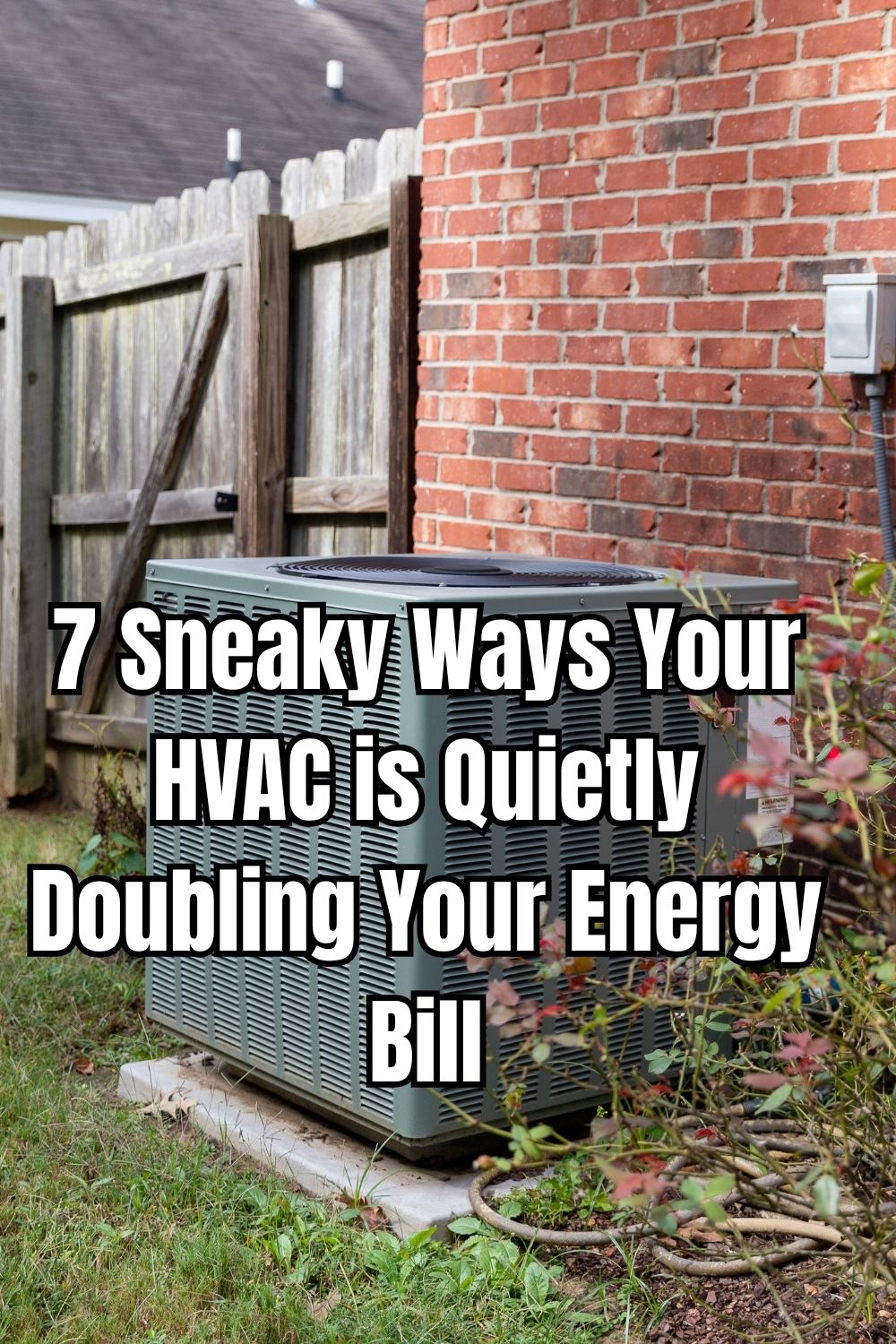
7 Sneaky Ways Your HVAC is Quietly Doubling Your Energy Bill
Most homeowners ignore the complex machinery working behind their walls until something breaks. Your HVAC system is the most expensive appliance to run, but it often operates at a fraction of its potential efficiency. Small, invisible issues can slowly drain your bank account without ever triggering a system failure or a warning light.
Unseen Dust in the Air Filter
A clogged air filter is the most common reason for a sudden spike in your monthly power costs. When the mesh is full of dust and pet hair, your blower motor has to work twice as hard to pull air through the system.
This extra strain doesn’t just wear out the motor – it sucks up massive amounts of electricity. Replacing your filters every 1-3 months can help your system run more efficiently and prevent a service call.
Silent Leaks in Your Air Ducts
Your ductwork is responsible for delivering conditioned air throughout your home. If these metal tunnels develop leaks or gaps, a portion of that cooled or heated air may escape into attics, crawl spaces, or walls.
This means you are paying to heat the empty space under your house instead of your living room. Typical air-duct systems lose 25% to 40% of the heating or cooling energy put out by the cooling and heating system.
The Impact of Loose Seals
Ducts are responsible for delivering conditioned air throughout your home, but if they develop leaks or gaps, a portion of that cooled or heated air may escape into attics, crawl spaces, or walls. This problem often goes unnoticed because the leaks are hidden behind drywall or floorboards. Professional sealing is required to stop this invisible energy drain.
Thermostat Location and Calibration
Where you place your thermostat matters just as much as what temperature you set. If it sits in a drafty hallway or near a sunny window, it will get a false reading of the actual temperature in your home.
Homeowners can save up to 10–15% on heating and cooling by working with HVAC experts, who can install smart thermostats and optimize system performance. These devices learn your habits and adjust for the time of day, ensuring your HVAC system runs efficiently and comfortably.
Neglected Outdoor Condenser Units
The outdoor portion of your AC system needs plenty of space to breathe and release heat. When bushes grow too close or autumn leaves pile up against the metal fins, the unit cannot shed heat effectively.
This forces the compressor to run longer cycles to reach the desired temperature on your thermostat. Keeping a 2-foot clear zone around your outdoor unit prevents it from overheating and doubling your bill.
Improper System Sizing and Installation
More power is not always better when it comes to HVAC equipment. A system that is too large for your square footage will blast cold air quickly and then shut off before it can remove humidity. This constant starting and stopping uses a surge of power every time the motor kicks in. Improperly installed HVAC equipment can reduce system efficiency by 30%.
To keep your system running smoothly, check these common items:
- Clear debris from the outdoor unit fins.
- Seal visible gaps in ductwork with foil tape.
- Set your ceiling fans to rotate counter-clockwise in summer.
- Schedule a professional tune-up before the seasons change.
Aging Parts and Refrigerant Issues
As a system ages, the mechanical parts naturally become less efficient due to friction and wear. If your unit is over 10 years old, the internal components may be drawing significantly more power than they did when they were new.
Low refrigerant levels are another sneaky culprit that causes the system to run indefinitely without cooling the house. The National Energy Assistance Directors’ Association estimates that heating costs will rise 11% this winter.
Leaky Windows and Poor Insulation
Sometimes the problem isn’t the HVAC unit itself, but how well your home holds onto the air. Old insulation in the attic or thin weatherstripping around doors lets your expensive climate-controlled air leak outside.
When your home has poor “envelope” sealing, your HVAC has to work 24/7 just to keep up with the loss. Energy audits reveal that HVAC systems account for nearly 40% of a building’s energy consumption, making their optimization crucial for cost reduction.
Small Fixes for Large Gains
Homeowners often focus on the big machine and forget the smaller components. Simple weatherstripping on a front door or a bead of caulk around a window frame can significantly reduce the load on your furnace. These minor adjustments help maintain the pressure balance within the home. This prevents the HVAC from fighting an uphill battle against the outdoor elements.
Understanding how your home breathes is the first step toward lower utility costs. Most of these sneaky energy drains are easy to fix with a little bit of attention or a quick call to a professional. Taking care of your system ensures it will take care of you when the weather reaches its worst extremes. Keeping your equipment clean and sealed is the best way to keep your hard-earned money in your pocket.
Leave A Reply!