Explore practical approaches to keep bugs and rodents away from homes. Ensure a clean and pest-free living environment.
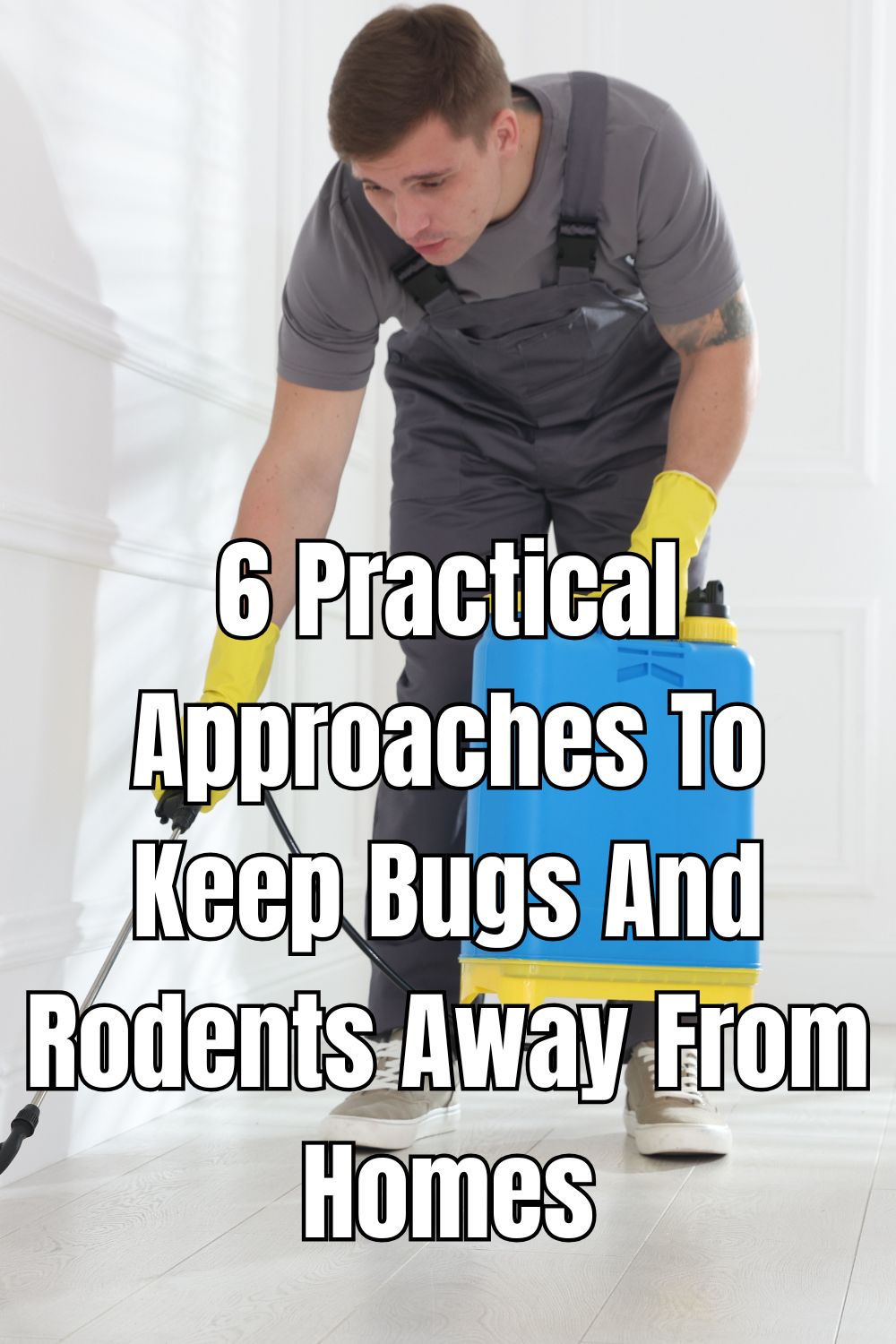
6 Practical Approaches To Keep Bugs And Rodents Away From Homes
Keeping a clean and safe living space is a top priority for every homeowner. Small visitors like ants or mice can turn a relaxing evening into a stressful situation. Professional methods and simple habits provide the best defense against those unwelcome guests. Establishing a routine protects the structural integrity of the building and the health of everyone inside.
Block Common Entrance Points
Cracks in the foundation or gaps around windows serve as open invitations for invaders. Searching for Lexington KY pest control services or other local professionals to help residents secure their property against seasonal invaders. Small rodents can squeeze through surprisingly tiny openings to reach warmth and food.
Applying caulk around window frames and door seals shuts down easy access routes. Metal mesh works well for covering vents or larger holes that insects might use. Checking the attic and basement for light peeking through walls reveals spots that need repair. Tight seals keep the indoor climate controlled and pests outside where they belong.
Weather stripping under doors prevents crawling insects from sliding inside at night. Screens on windows should remain intact without any tears or loose edges. Maintaining the exterior prevents the need for expensive repairs after damage occurs.
Monitor Breeding Habits And Populations
The rapid growth of a population makes removal much more difficult once they settle inside walls. A single female mouse can produce 10 litters in a year, with about 6 to 8 pups per litter. Rapid reproduction rates mean a small issue can become a massive infestation within months. Taking action early stops the cycle before it gets out of hand.
Spotting signs of activity like droppings or chewed wires indicates a growing presence. Seeing one critter means there are many more hidden in the shadows. Set up monitoring stations and track where activity is highest.
Utilize Mechanical Prevention Methods
Hardware and physical barriers offer a way to protect the property without relying on sprays. Mechanical pest control is growing at a rate of 5.9% as more people look for physical exclusion methods. Screens on vents and chimney caps stop wildlife from entering the home during colder months. These tools are reliable and provide constant protection with very little upkeep.
Physical traps capture individuals who manage to bypass exterior defenses. Ultrasonic devices can deter certain animals from nesting in quiet areas. Using copper wool to plug gaps in siding prevents mice from chewing their way back in. Simple mechanical fixes offer long-term solutions for common vulnerabilities.
Installing door sweeps creates a tight barrier against ground-level entry. Sturdy materials stand up to the elements and the persistence of hungry critters. High-quality barriers reduce the reliance on other forms of intervention.
Control Indoor Moisture Levels
Standing water attracts various types of insects that need hydration to survive. Fixing drips in the kitchen or bathroom removes the primary resource that sustains life for unwanted guests. Dehumidifiers in damp areas keep the air dry and less appealing to roaches. Low moisture levels create an inhospitable environment for many common house guests.
Common areas that require attention include:
- Pipes under the kitchen sink
- Basement corners near floor drains
- Areas around the water heater
- Refrigerator drip pans
Repairing leaky faucets saves water and removes a major attractant. Checking the perimeter for pooling water after rain keeps the foundation dry. Proper drainage directs water away from the structure effectively. A dry home is much less likely to host a variety of pests.
Track Professional Industry Trends
The scale of the industry shows how common these issues are for property owners. Data from a market analysis indicated that the global pest control services market reached a value of $25.1 billion in 2024. This growth shows the rising need for professional expertise in managing complex biological threats.
Professionals use advanced tools to find nests without tearing into walls. Higher demand for services results in better innovation in the field. Homeowners benefit from these advancements through safer and more effective methods.
Maintain Proper Food Storage
Cereal boxes and open bags of chips are easy targets for scouts looking for a meal. Storing dry goods in airtight glass or plastic containers keeps the scent from drifting. Wiping down counters after every meal removes crumbs that act as a beacon. Clean floors prevent the buildup of food particles that feed growing colonies.
Pet food left out overnight is a frequent source of nourishment for nocturnal visitors. Storing bags of pet kibble in sealed bins keeps it fresh and inaccessible. Cleaning out the pantry regularly so that no old packages are attracting beetles. Small habits in the kitchen go a long way in keeping the home clean.
Following these steps creates a strong barrier that discourages bugs and rodents from staying. Every small action contributes to a larger shield for the family and the building. A little effort each week prevents major headaches in the future. Small changes result in long-term success in keeping the environment clear.
Leave A Reply!