Uncover the common skin problems new mothers experience. Learn what changes to expect and when to seek help for your skin.
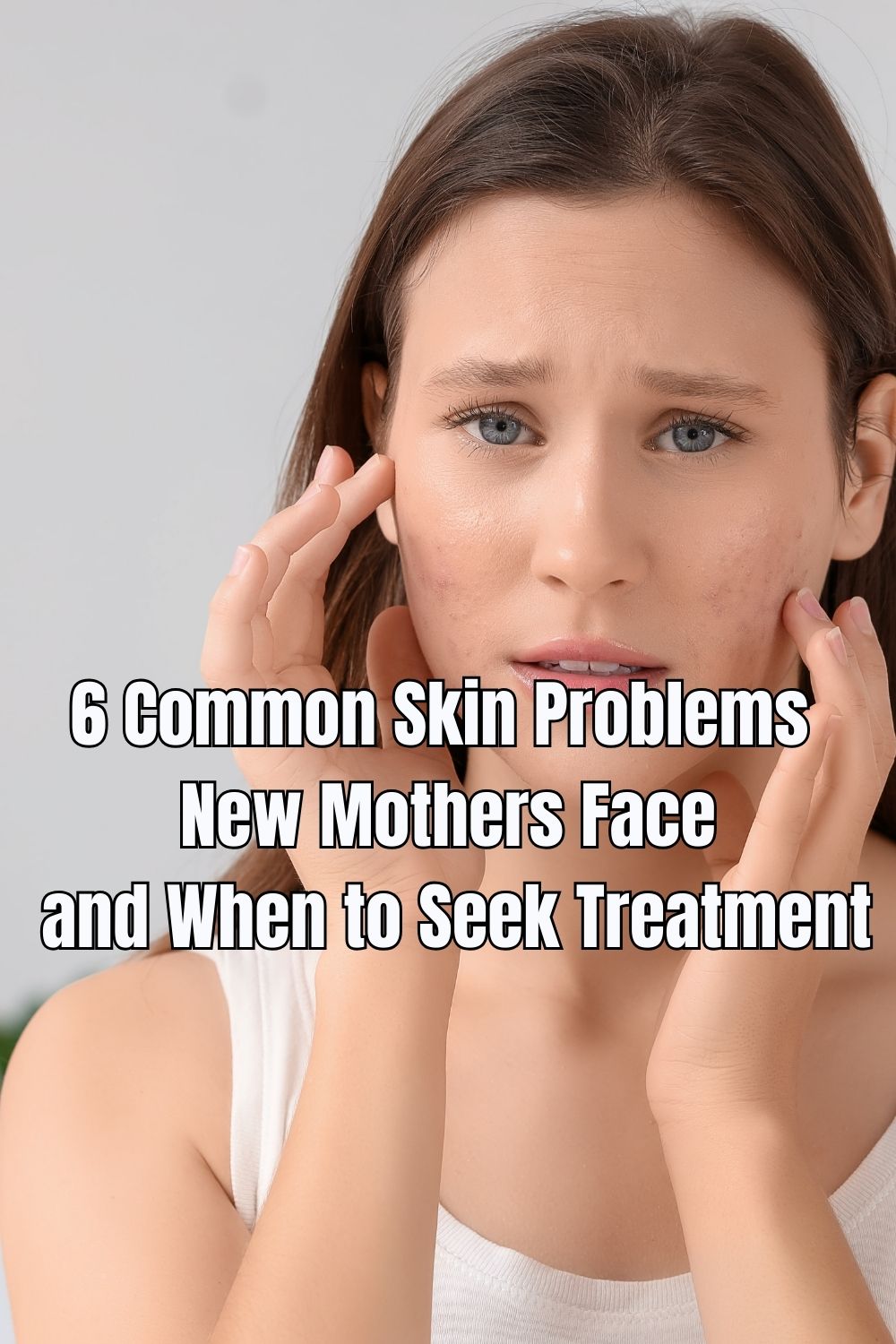
6 Common Skin Problems New Mothers Face and When to Seek Treatment
Becoming a mother changes everything. Sleep schedules shift, routines disappear, and suddenly your body feels unfamiliar in ways you didn’t expect. In a place like Portsmouth, where daily life often feels close-knit and community-driven, many new mothers quietly notice these changes in the mirror while adjusting to their new role. Skin is often one of the first places where the impact shows. Hormones, stress, and lack of rest can all leave visible marks, sometimes in ways that feel surprising.
Many mothers brush these changes off at first, assuming they’ll settle on their own. And sometimes they do. Other times, the issue lingers, worsens, or begins to affect confidence over time. Skin concerns after pregnancy are incredibly common, but knowing when something needs real attention can feel uncertain.
Here are six skin problems new mothers often face, along with signs that it might be time to seek professional care.
1. Stubborn Hormonal Acne
Breakouts aren’t just a teenage problem. After pregnancy, hormone levels can swing dramatically, which can trigger acne in areas that were once clear. Many mothers notice painful bumps along the jawline, chin, and cheeks, sometimes weeks or months after giving birth.
At first, it may seem like typical breakouts that will settle down. But when acne becomes persistent, inflamed, or leaves marks behind, it can start to feel frustrating.
Many mothers start looking into dermatology in Portsmouth when hormonal acne doesn’t settle after the first few months postpartum. As the breakouts linger or begin to leave marks, the need for more focused and reliable care often becomes clearer. Clinics like APDerm offer care for concerns such as adult acne, skin sensitivity, and pigment changes that often appear during this stage.
The time to seek help is when breakouts start affecting confidence or leave scars. Early care can make a noticeable difference.
2. Dark Patches and Uneven Skin Tone
Many women notice patches of darker skin during or after pregnancy, especially around the cheeks, forehead, or upper lip. This condition, often called melasma, can be stubborn. Sun exposure can make it more noticeable, and even gentle skincare products don’t always help.
At first, it may fade on its own. But for some, the discoloration lingers longer than expected. What we’ve seen is that this can quietly affect how someone feels when they look in the mirror, even if it doesn’t hurt physically.
Treatment doesn’t always mean strong procedures. Sometimes it’s just the right topical approach or lifestyle adjustments. The key moment to seek help is when the patches stop fading and begin to feel permanent.
3. Sudden Skin Dryness and Sensitivity
After childbirth, some mothers find their skin reacting in new ways. Products that once felt gentle may suddenly sting. Areas like the cheeks, hands, and neck can become dry, tight, or flaky.
This shift often ties back to hormonal changes and fatigue. When sleep is limited and hydration drops, skin can struggle to maintain balance.
Dryness that doesn’t improve with basic moisturizers may signal that the skin barrier needs extra support. If irritation becomes constant or spreads, that’s usually the point where guidance from a professional starts to help.
It’s not just about comfort. Healthy skin recovers better and feels more resilient over time.
4. Postpartum Hair Loss That Affects the Scalp
Hair loss after pregnancy is well-known, but many don’t expect how much it can impact the scalp itself. Shedding can be heavy. The scalp may feel sensitive, itchy, or dry in the process.
This usually begins a few months after delivery and can last longer than expected. While some shedding is normal, excessive thinning or visible patches can feel alarming.
This is often the moment when new mothers begin asking questions. Is it temporary? Will it grow back? Do I need to do something about it?
Seeking help makes sense when hair loss continues beyond several months or starts affecting how someone feels about their appearance. Even small changes in scalp care can make a difference.
5. Stretch Marks and Texture Changes
Stretch marks are part of the pregnancy journey for many women. They appear on the stomach, thighs, hips, or chest, and while they often fade over time, they don’t always disappear.
What’s less talked about is how the skin texture can change. Some areas may feel thinner or less firm than before. For some mothers, that’s completely fine. For others, it becomes something they notice daily.
The emotional response matters as much as the physical change. If stretch marks or texture shifts start affecting confidence or clothing choices, that’s usually when treatment options become part of the conversation.
There’s no urgency here. But there are ways to support skin health and gradual improvement over time.
6. Persistent Rashes or Irritation
New routines bring new triggers. Constant handwashing, new baby products, and stress can lead to rashes or irritation that weren’t there before. Some mothers develop redness around the eyes, neck, or hands. Others notice patches that itch or feel warm.
At first, it may seem minor. A reaction to soap. A temporary change. But if it keeps coming back or spreads, it can become uncomfortable and distracting.
Ongoing irritation often signals that the skin needs a more tailored approach. The right treatment can calm inflammation and prevent it from getting worse.
The best time to seek help is when a rash doesn’t clear within a couple of weeks or keeps returning despite basic care.
Conclusion
Skin changes after pregnancy are incredibly common, yet they often catch new mothers off guard. One day, your skin feels familiar, and the next it reacts in ways you didn’t expect. Some concerns fade naturally. Others linger a little longer.
The important thing to remember is that you don’t have to ignore changes that make you uncomfortable. Whether it’s acne, dryness, pigmentation, or irritation, small steps taken early can prevent issues from becoming more difficult later.
In practice, many mothers wait until they feel settled into their new routine before thinking about their own needs again. That’s completely understandable. But paying attention to your skin is part of caring for yourself, too. And that matters just as much.
Leave A Reply!