Explore tips for reducing your footprint on your next outdoor adventure and enjoy nature responsibly while protecting the environment.
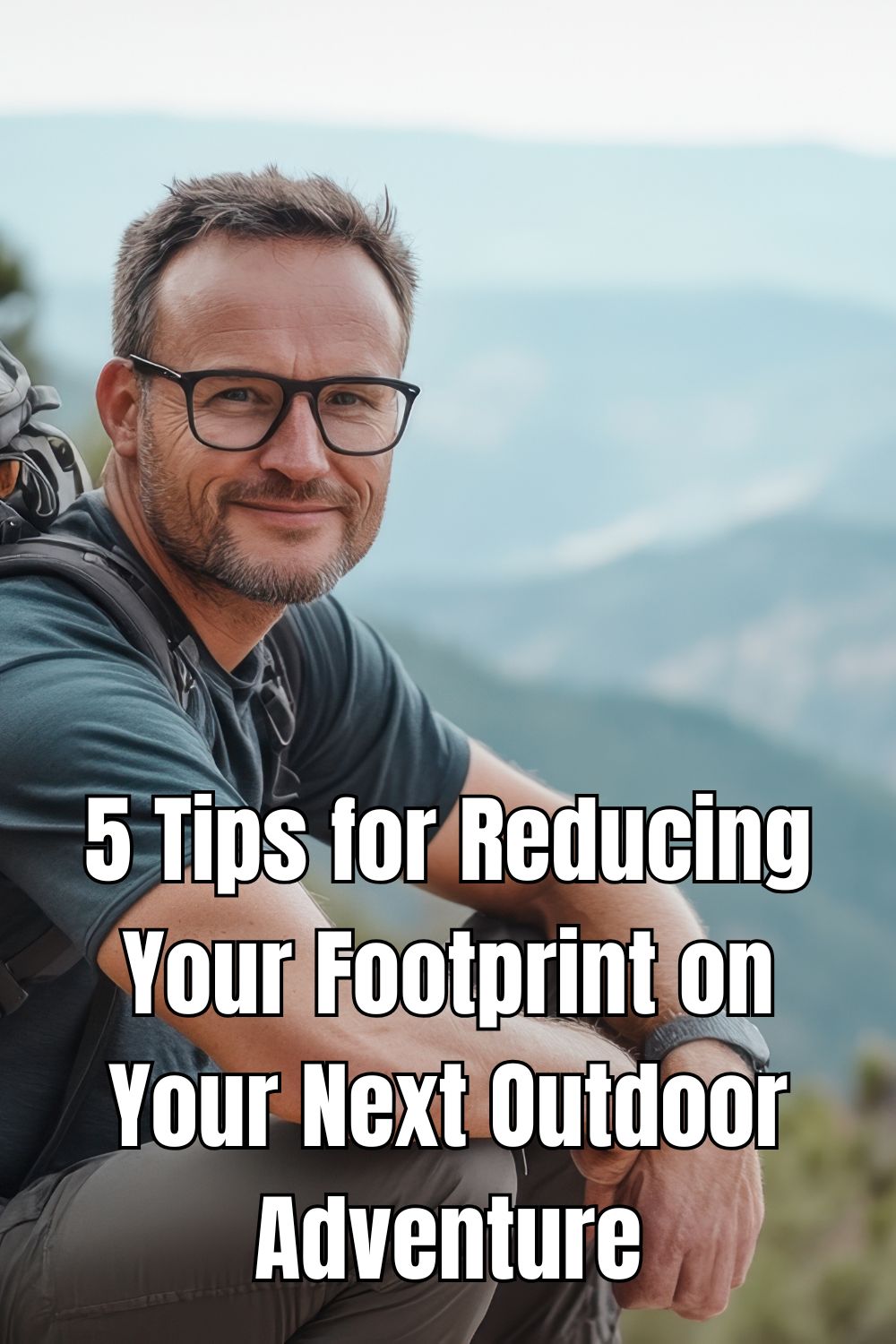
5 Tips for Reducing Your Footprint on Your Next Outdoor Adventure
Heading out on an outdoor adventure is one of the simplest ways to reset your brain – fresh air, wide-open spaces, and that lovely feeling of being far away from email notifications.
But stepping into nature also means stepping into a place that doesn’t need us rearranging it like we’re redecorating a living room. The wild has its own rhythms, its own quiet routines, and its own little workers – plants, insects, birds, all getting on with life quite successfully without your help.
To reduce your footprint while in the great outdoors, follow these five tips:
- Plan Your Route
Start planning your route by studying the existing trails.
Following them means you get the beauty without leaving scars behind. Check for seasonal closures, water sources, and weather patterns too -not only for safety, but because nature has its own rhythms, and travelling in harmony with them makes for a far better experience.
Mapping out realistic distances is another kindness to yourself and will keep you from being tempted to take shortcuts.
- Pack Light
Packing light for a family vacation is one of those lessons you only truly appreciate the first time you haul an unnecessarily heavy pack up a hill and question every life choice that led you there.
Suddenly, that extra fleece, the “emergency” snacks for your emergency snacks, and the fourth pair of socks feel a lot less essential.
Nature isn’t out there judging your gear choices – it just rewards the person who shows up ready and not overloaded like a walking storage unit.
- Overnight Stays
Overnighting in the outdoors is where a trip truly finds its heartbeat. The walking, the weather, the little victories of the day – they all settle into the background once you stop moving and start building your home for the night.
Whether you’re pitching a tent or going minimalist and plan to use a bivy camp for overnight stays, the magic is the same: it’s just you, the quiet, and a patch of earth that holds you for a few hours.
Look for durable ground, avoid soft vegetation, and stay well clear of water sources so wildlife can drink undisturbed. A bivy setup makes this easier. It’s small, subtle, and leaves minimal trace, which is exactly what you want when you’re trying to blend into the landscape instead of reshape it.
- Respect Nature
Respecting nature starts with a simple reminder: the outdoors isn’t waiting for us to arrive.
It’s already busy, quietly getting on with its day.
So, stay on the paths that already exist so the ground around them can keep growing undamaged and leave no trace. Keep your gear and rubbish with you so nothing unnatural lingers behind.
- Wash Wisely
Just because the label says biodegradable doesn’t mean you get a free pass to scrub up in rivers or streams.
Biodegradable soap is useful, but it still doesn’t belong anywhere near a river or stream. Once soap hits moving water, it doesn’t just disappear – it changes things. What looks like a quiet pool to us is actually a whole community of tiny creatures, plants, and fish relying on that water staying pure.
The simplest way to protect all of that is to keep your washing well away from natural water sources. Move at least 60 metres back, wash on land, and keep the amount of soap to a bare minimum. The ground naturally filters what you use, and you get everything cleaner without sending suds into a place that can’t handle them.
In Conclusion
With these simple tips, respectful habits, and a little awareness, you can enjoy every adventure while keeping your impact light, respectful, and genuinely meaningful.
Leave A Reply!