Discover essential things to know before booking laser skin resurfacing to enhance your skin and boost your confidence.
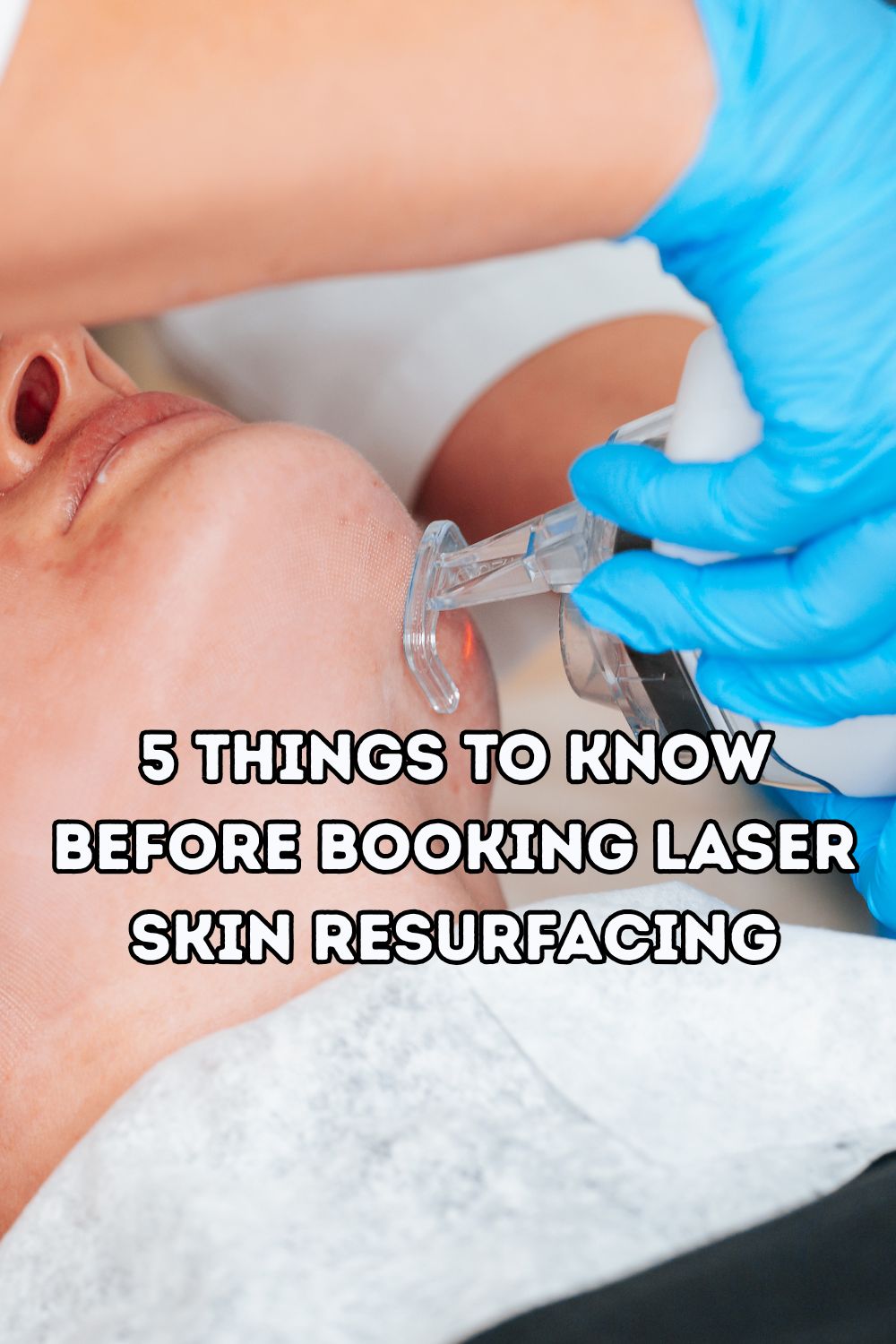
5 Things to Know Before Booking Laser Skin Resurfacing
Fine lines in the mirror, uneven patches from sun damage, or scars that makeup won’t fully cover — these skin concerns often feel impossible to solve. Many people spend years trying creams, facials, or home remedies, only to see little change.
That frustration can take a toll on confidence, especially when you want your skin to reflect how vibrant you feel inside. In cities like Philadelphia, where skin health is often a top concern, more people are exploring advanced solutions. By the way, laser skin resurfacing has become one of the most trusted options for renewal.
Curious whether it’s the right step for you? This article will walk you through five important things to know before booking your treatment.
1. It Targets More Than Just Wrinkles
Many assume lasers are only for smoothing out fine lines. In reality, the treatment addresses a wide range of skin concerns. Acne scars, age spots, uneven tone, and even sun damage can all be improved with the right laser approach.
Think of it as a multipurpose tool for skin renewal. Patients who want to brighten dull skin or reduce visible scars often benefit just as much as those looking to soften wrinkles. Therefore, if your concerns extend beyond aging, laser resurfacing may still be a fit.
2. Types of Laser Treatments Differ
Laser resurfacing just does not use a single method. Instead, it comes in two main approaches, each with unique benefits. Understanding them helps you know what to expect. These include:
- Ablative lasers: These remove the outer layer of skin while heating the tissue beneath. By doing so, they trigger collagen growth, soften scars, and smooth wrinkles. The results are often dramatic, but the healing period can last one to three weeks. Patients must follow careful aftercare routines to protect their skin during recovery.
- Non-ablative lasers: Instead of removing the top layer, these work beneath the surface. They encourage gradual renewal with far less downtime. However, multiple sessions are usually needed to reach visible improvement.
The choice depends on your skin type, lifestyle, and goals. That’s why expertise matters. Clinics offering laser skin resurfacing in Philadelphia, such as WCosmetic Surgery, tailor treatment plans to match each individual. The right guidance ensures safety while also maximizing results. Hence, a careful consultation helps decide whether ablative or non-ablative options fit best.
3. Recovery Takes Patience
A common surprise for first-timers is the healing process. Skin often looks red, swollen, or flaky right after treatment. For some, this lasts only a few days, while for others, it may take a couple of weeks.
Aftercare plays a huge role. Patients are usually advised to keep the skin moisturized, avoid direct sun, and use gentle cleansers. Neglecting these steps can slow down healing or affect the final outcome. By the way, it’s smart to schedule treatments when you can take time off from big events, since your skin needs space to recover properly.
4. Results Improve Over Time
Laser resurfacing isn’t an instant transformation. Yes, many people notice improvements within weeks, but the skin continues to heal and rebuild collagen long after. Some of the best results show up gradually over three to six months.
This is actually a positive thing. Improvements look natural and steady, rather than abrupt. Patience here really pays off. Instead of expecting overnight miracles, think of it as an investment where your skin slowly but surely becomes healthier, smoother, and more radiant.
5. Not Everyone Is an Ideal Candidate
Although laser resurfacing offers amazing benefits, it’s not right for everyone. People with certain medical conditions, very dark skin tones, or those taking specific medications may face higher risks of complications. For example, skin prone to keloid scarring or hyperpigmentation requires extra care.
That doesn’t mean treatment is off the table. It simply means a thorough consultation is essential. Professionals can recommend alternative treatments or adjusted techniques that better suit your situation. Hence, honesty about your medical history and goals ensures the safest and most effective outcome.
Things to Consider Before Booking
Before committing, take a moment to consider the bigger picture:
- Number of sessions: Non-ablative lasers often need multiple appointments.
- Costs: Insurance rarely covers cosmetic procedures, so plan your budget.
- Maintenance: Sunscreen, hydration, and follow-up visits help results last.
- Lifestyle adjustments: Avoid smoking or excessive sun exposure before and after treatment.
These small considerations may feel inconvenient, but they directly influence your results and recovery.
Conclusion
Laser skin resurfacing can be a powerful way to refresh your skin, reduce imperfections, and restore confidence. However, success depends on preparation, patience, and choosing the right type of treatment for your needs. By understanding the options, planning for recovery, and being realistic about outcomes, you’ll set yourself up for lasting results. Therefore, if you’re considering this treatment, remember it’s not just about looking younger — it’s about giving your skin the chance to heal, rebuild, and shine with renewed health.
Leave A Reply!