Explore the signs it’s time to consider a facelift. Learn how to recognize when aging effects may require a procedure.
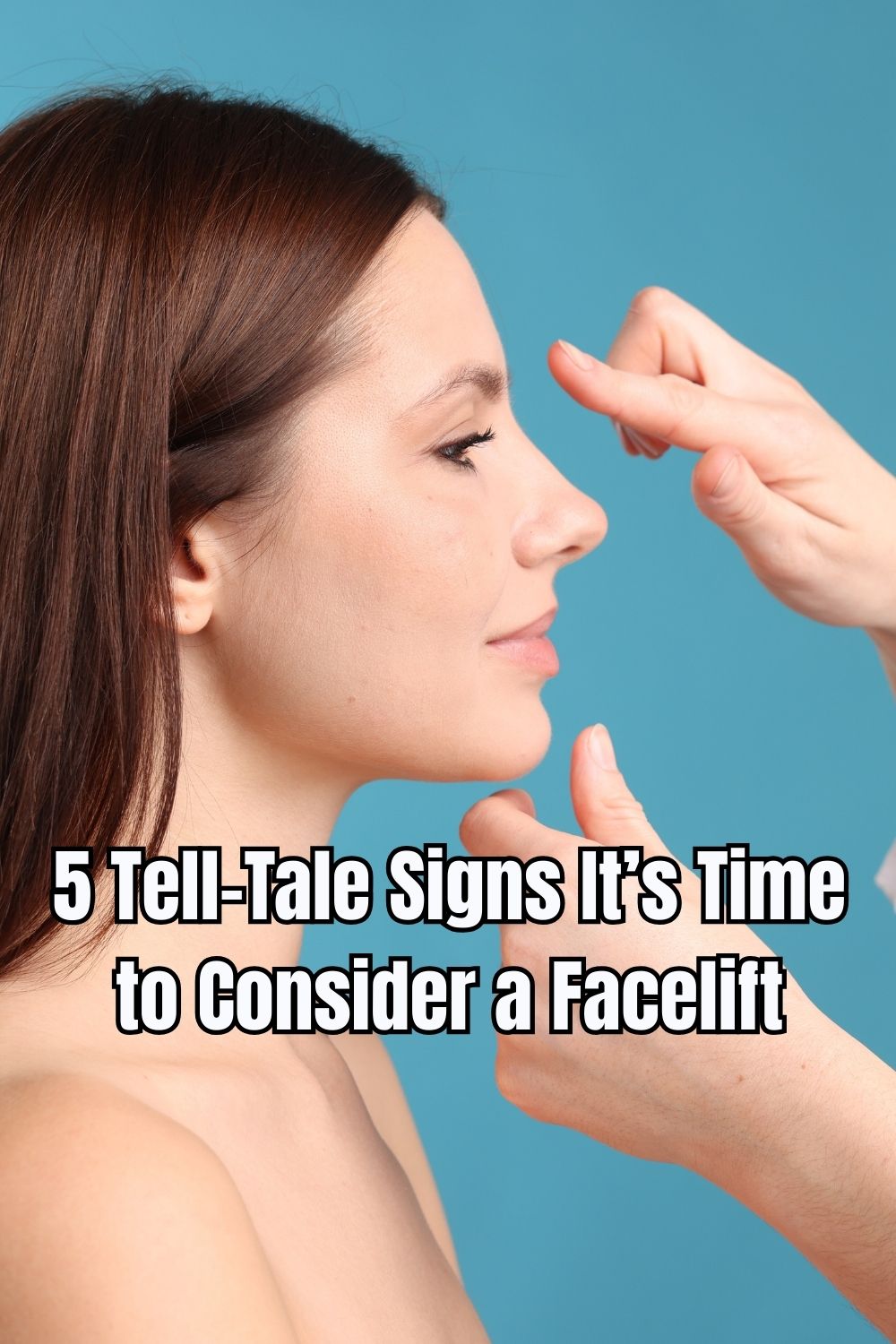
5 Tell-Tale Signs It’s Time to Consider a Facelift
Aging shows up differently for everyone. Some people notice changes early. Others see them build slowly year after year. One known fact is that collagen production drops by about one percent each year after your mid-20s. That adds up, even if you take good care of your skin.
For people who live in image-conscious areas like Beverly Hills, going for a facelift is one of the solutions the mind readily goes to. A facelift is a big decision, so the signs need to be clear that you really need it.
First off, let’s talk about what a facelift can do
What a Facelift Does
A facelift helps with sagging, deep folds, and loss of facial support. If you’re battling with these already, the procedure can help you fix that.
But note, a facelift does not change who you are or freeze your expressions. People often worry about looking “done,” but that fear usually comes from outdated examples. One thing about the facelift in Beverly Hills is that providers typically focus on natural-looking results that look subtle rather than overly done. In fact, industry professionals like Sunder Plastic Surgery often explain that lifting and repositioning deeper facial layers can soften these creases more naturally than adding volume on top with fillers. This results in natural-looking results that do not seem superficial.
That said, here are a few facts many patients find reassuring.
- Most facelifts focus on the lower face and neck
- Results can last ten years or more for many people
- Recovery timelines vary, but swelling improves steadily
These should be your expectations. Now, let’s talk about the signs.
5 Signs It’s Time to Consider a Facelift
Here are five tell-tale signs that it’s time to consider a facelift:
1. Sagging Skin Around the Jaw and Neck
The jawline and neck are often the first places where aging becomes hard to ignore. Skin in this area loses firmness as collagen and elastin slow down, and gravity does the rest. You might notice that your jawline no longer has a clean edge, or that loose skin under the chin shows up more in photos than in the mirror. Neck bands and folds can also become more visible, even if your weight has stayed steady. These changes usually do not respond well to creams or at-home tools.
When sagging shifts from mild to noticeable, it often signals deeper tissue movement rather than surface aging alone.
2. Deep Creases That Stay Put
Some lines are part of your facial expression. Laugh lines and soft folds show movement and personality. The issue starts when those lines become etched into the face and stay visible even when your muscles are relaxed.
Nasolabial folds, the lines running from the nose to the corners of the mouth, tend to deepen as cheek tissue shifts downward. Marionette lines can pull the mouth into a permanent downward shape, which can make you look upset or worn out even when you feel fine.
When folds stop responding the way they used to, it is usually a sign that the issue sits below the skin.
3. Your Face Looks Tired Even When You Are Not
Many people notice that their face appears worn out even after rest, hydration, and a solid routine. This happens when facial tissues settle lower than they used to, especially in the cheeks and around the mouth.
Under-eye hollows, drooping corners of the lips, and flattened cheeks can create a heavy look that does not match how you feel. When others comment on fatigue that you do not feel, it often points to structural changes rather than lifestyle issues.
4. Makeup Tricks Stop Working
There is a point where contouring cannot hide sagging. If you find yourself spending more time trying to fix shadows and droop instead of enjoying getting ready, that frustration is worth noting. Many people say this is when aging stops feeling subtle and starts feeling distracting.
Here are common complaints at this stage.
- Makeup creases within hours
- Products sit unevenly on the skin
- You avoid certain hairstyles or lighting
If these become major concerns, it may be time to consider a facelift.
5. Non-Surgical Options No Longer Deliver
Fillers, threads, and skin treatments all have their place. They work best for mild to moderate changes. A known limitation is that they cannot lift significant sagging without overfilling, which can lead to an unnatural look.
If you have tried several non-surgical anti-aging treatments without significant results, that is often the clearest sign. A facelift can reset the foundation, so smaller treatments work better again later.
Final Thoughts
The right time for a facelift is personal. Age alone does not decide it. Your face, your comfort, and your expectations matter more.
If you feel confident and at ease, that is what counts. If you feel distracted by changes that no longer reflect how you feel inside, it may be time to learn more. Paying attention to these signs helps you make that choice with clarity, not pressure.
Leave A Reply!