Explore how med spa treatments can fix skin issues that creams cannot. Discover effective solutions for deeper problems.
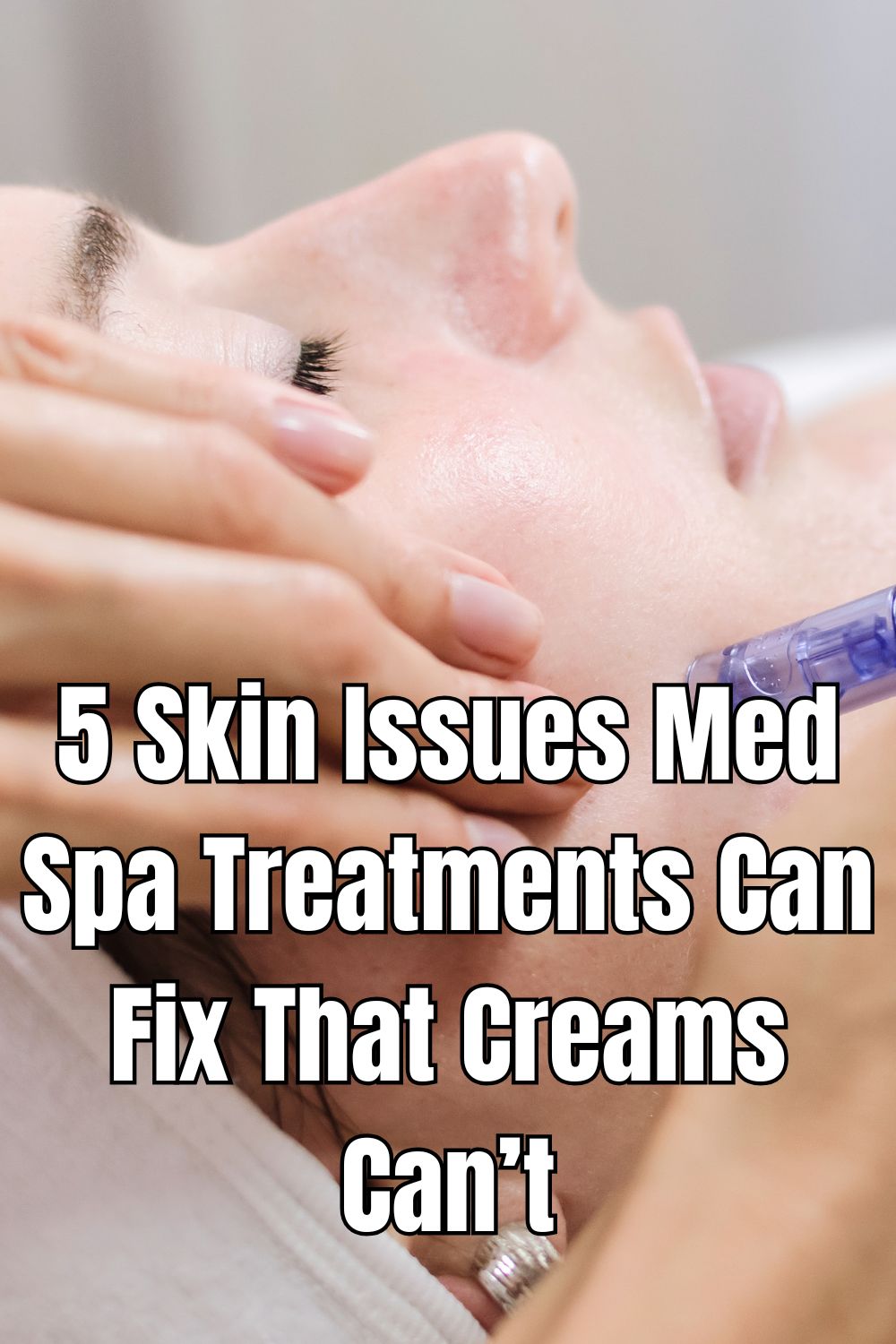
5 Skin Issues Med Spa Treatments Can Fix That Creams Can’t
Most of us start with creams. A new serum, a rich night cream, maybe a mask we saw online. Sometimes they help for a while. But certain skin problems run deeper than what a bottle or jar can reach. That’s when people start looking at more advanced treatment options, especially in places like Annapolis, where medical spas have become part of many skincare routines.
Many stubborn skin issues sit several layers below the skin surface that topical creams can’t get to. Treatments done by trained professionals can reach those deeper layers and correct problems that creams are ineffective against.
Below are five common skin concerns where professional med spa treatments often succeed when over-the-counter products fall short.
1. Stubborn Acne That Keeps Coming Back
Acne creams can calm mild breakouts. Yet for many people, acne becomes a cycle. It fades for a week or two and then returns in the same spots. The reason is that acne often begins under the skin before it ever shows on the surface. Oil buildup, bacteria, and clogged pores can stay trapped deep inside the follicle.
Med spa treatments work beneath the surface where the blockage starts.
Common options may include:
- Medical-grade chemical peels that clear clogged pores
- Light or laser treatments that target acne-causing bacteria
- Professional extractions done in a controlled setting
According to the American Academy of Dermatology, acne affects up to 50 million Americans each year, and many cases require more than basic skincare products to manage.
2. Fine Lines That Skincare Alone Can’t Smooth
Many skincare products promise smoother skin. Some even help for a while by adding moisture or encouraging mild skin renewal. But fine lines usually form because collagen in the skin slowly declines. Collagen gives skin its structure and firmness. As production slows, lines begin to settle in.
Surface creams cannot reach the deeper dermal layers where collagen lives. While researching effective solutions, some readers eventually come across discussions around visiting a med spa in Annapolis since treatments there are designed to address skin concerns beneath the surface where topical products cannot reach.
Injectables are also among the most common treatments used at med spas to soften fine lines and support smoother-looking skin. Other options include chemical peels, which help to stimulate collagen formation. In some clinics, including Adoro Medical Spa, the discussion is usually about tailoring the aesthetic care to individual goals, helping results feel natural and refreshed rather than overdone
3. Dark Spots and Uneven Skin Tone
Dark spots can feel stubborn. You apply brightening creams for months, but the marks barely fade. That’s because discoloration often sits deeper in the skin’s pigment layer. Sun exposure, hormones, or past breakouts can trigger extra melanin production. Creams sometimes fade the top layer slightly, but deeper pigment remains.
Treatments at a professional clinic can break up that pigment so the body can clear it naturally.
You might see approaches like:
- Laser treatments designed to target pigment clusters
- Medical chemical peels that remove damaged skin layers
- Light therapies that help even out skin tone over time
When pigment is treated at its source, results tend to appear more gradually but also more noticeably than topical products alone.
4. Acne Scars That Refuse to Fade
Even after acne clears, the marks it leaves behind can linger. Some scars create small dents in the skin. Others leave darker spots that stay visible long after the breakout ends. Scar tissue forms when the skin heals unevenly. Creams struggle here because they mainly affect the outer layer of skin.
Professional treatments often focus on resurfacing the skin and encouraging new tissue growth. Common options may include microneedling, which creates tiny controlled micro-injuries that trigger repair, and laser resurfacing that smooths uneven skin texture. Combination treatments may also be recommended to improve both pigment and skin depth
Research published in Dermatologic Surgery notes that microneedling treatments can improve acne scars by up to 50 percent in some patients after an average of 2.5 sessions.
While scars rarely vanish overnight, with consistent treatments, the skin often becomes smoother and more even over time.
5. Loose or Crepey Skin
Sagging skin relates to deeper structural changes that topical creams cannot reach. Collagen and elastin fibers weaken, and the skin gradually loses its ability to bounce back. Med spa treatments aim to stimulate the body’s natural repair response so the skin slowly regains some of its firmness.
Popular approaches often include:
- Radiofrequency treatments that heat deeper skin layers
- Ultrasound-based therapies that stimulate collagen activity
- Microneedling combined with regenerative treatments
These treatments work gradually. Over several months, many people begin noticing that their skin looks tighter and smoother.
Conclusion
Creams and serums still play an important role in skincare. They help protect the skin, keep it hydrated, and maintain results between treatments. Yet some problems simply start too deep beneath the surface. Persistent acne, dark spots, scars, and early skin laxity often require treatments that can reach the layers where those issues begin.
For many people, the biggest shift comes when skincare moves beyond the bathroom shelf and into treatments that work deeper within the skin. The difference can be gradual, but over time it often becomes noticeable in the mirror.
Leave A Reply!