Explore the types of tummy tuck surgery and discover how to choose the right one for your body and confidence.
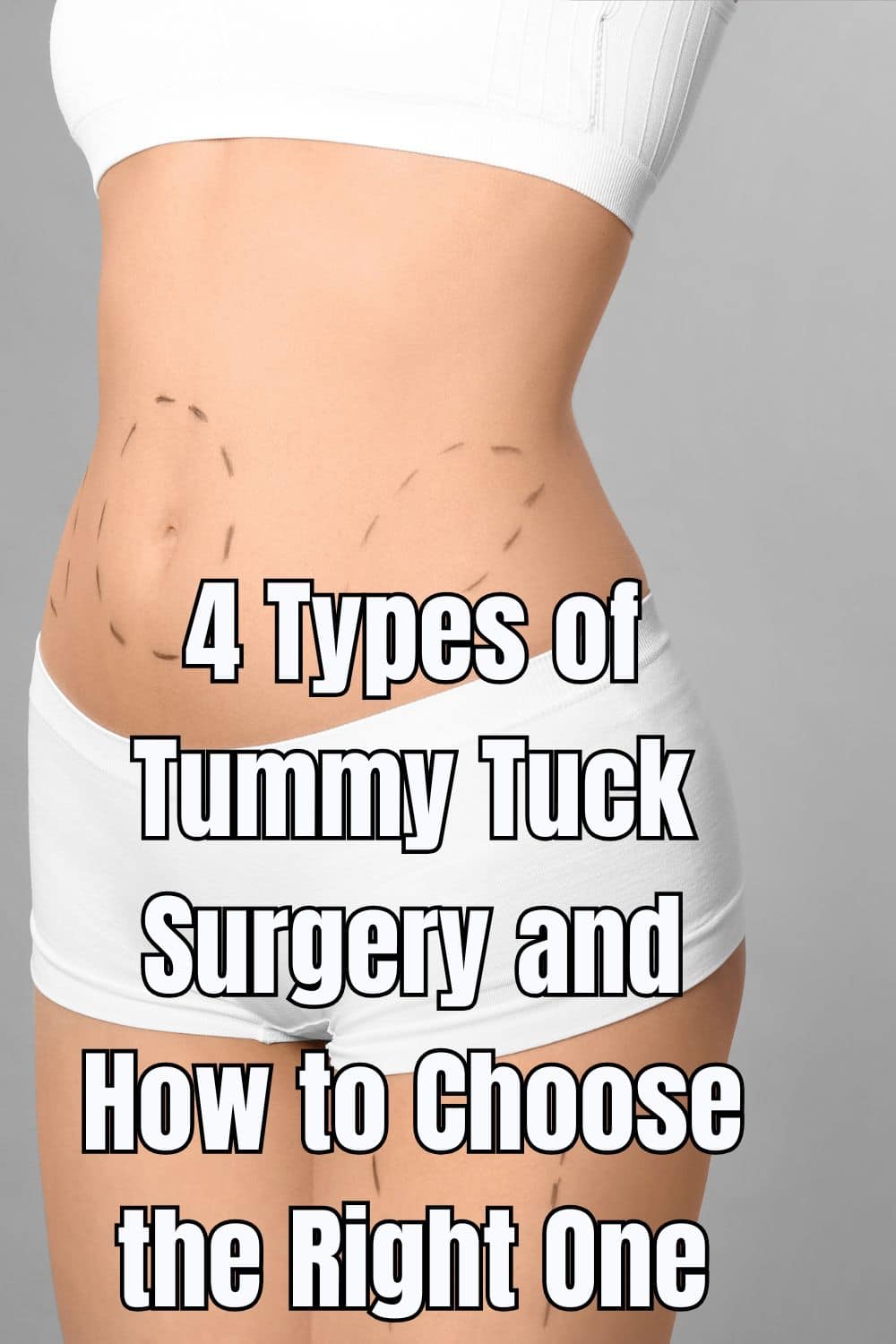
4 Types of Tummy Tuck Surgery and How to Choose the Right One
Have you ever looked in the mirror and wondered why your abdominal area doesn’t look as firm as you expected, even after maintaining a healthy lifestyle? Many people experience this frustration. While regular exercise and balanced nutrition play an important role in overall health, they may not fully address concerns such as loose skin, stretched abdominal muscles, or stubborn fat that can persist after pregnancy, weight loss, or aging.
For some individuals, these changes become noticeable over time and can affect both comfort and confidence. This is one reason why tummy tuck surgery is often discussed as a body contouring option designed to improve abdominal shape and muscle support.
The American Society of Plastic Surgeons (ASPS) reports that tummy tuck (abdominoplasty) remains one of the most common cosmetic surgeries in the U.S., with about 170,000 procedures performed in 2023, reflecting continued demand for body-contouring procedures. In growing communities such as McKinney, Texas, interest in cosmetic and reconstructive procedures has gradually increased as more people explore ways to address these physical changes.
For those considering surgery, learning about the different types of tummy tuck procedures is an important first step toward understanding which option may best match their goals and expectations.
Understanding Tummy Tuck Options and Surgical Approaches
A tummy tuck, medically known as abdominoplasty, generally involves removing excess skin, tightening abdominal muscles, and improving the contour of the midsection. However, the procedure is not the same for everyone. Surgeons may recommend different techniques depending on the amount of excess skin, muscle separation, and overall body contouring goals.
Learning about abdominoplasty techniques is often the first step for individuals exploring surgical solutions for abdominal laxity. A tummy tuck in McKinney focuses on improving the midsection by addressing excess skin and, when appropriate, tightening underlying muscles. Surgical approaches are customized to each patient’s anatomy, goals, and lifestyle, with a focus on natural-looking results and a safe, supported recovery.
In many practices, such as Setty Plastics & Aesthetics, consultations usually involve evaluating the patient’s anatomy and discussing recovery considerations before determining the most suitable treatment plan. Reports from these consultations often highlight differences in surgical techniques and typical recovery timelines, helping individuals understand what to expect from the procedure.
Common Types of Tummy Tuck Surgery
Tummy tuck procedures can vary in complexity and scope depending on the patient’s needs. Understanding these options can help individuals determine which type of surgery may address their concerns most effectively.
1. Mini Tummy Tuck
A mini tummy tuck is typically recommended for individuals who have mild skin laxity or small pockets of excess tissue below the belly button. This procedure focuses on tightening the lower abdominal area and usually involves a smaller incision compared with a traditional tummy tuck.
Because the treatment area is more limited, recovery time may be shorter than with more extensive procedures. A mini tummy tuck may be suitable for individuals who maintain a stable weight but want to improve the appearance of the lower abdomen.
2. Full (Traditional) Tummy Tuck
A full tummy tuck is the most commonly performed type of abdominoplasty. This procedure addresses both the upper and lower abdomen and is often recommended for individuals with more significant skin laxity or muscle separation.
During the procedure, the surgeon removes excess skin, tightens weakened abdominal muscles, and may reposition the belly button to achieve a more natural look. A full tummy tuck can help restore abdominal firmness and improve the overall contour of the midsection.
3. Extended Tummy Tuck
An extended tummy tuck is designed for individuals who have excess skin not only in the front of the abdomen but also along the sides of the waist. This procedure typically involves a longer incision that allows the surgeon to remove additional skin and reshape the abdominal area more extensively.
Extended tummy tucks are often considered by individuals who have experienced significant weight loss and want to address loose skin around the abdomen and flanks.
4. Circumferential Tummy Tuck (Body Lift)
A circumferential tummy tuck, sometimes referred to as a body lift, is a more comprehensive body contouring procedure. It targets excess skin around the entire lower torso, including the abdomen, sides, and lower back.
This procedure is commonly recommended for patients who have undergone major weight loss, particularly after bariatric surgery. Removing excess skin can improve both comfort and body contour while helping patients achieve a more balanced silhouette.
How to Choose the Right Type of Tummy Tuck
Choosing the right type of tummy tuck depends on several important factors. Surgeons usually evaluate each patient individually to determine the most appropriate approach.
- Amount of Excess Skin:– The amount and location of loose skin often determine which procedure is recommended. Mild concerns may be addressed with a mini tummy tuck, while more extensive skin laxity may require a full or extended procedure.
- Abdominal Muscle Separation:– Muscle separation, known as diastasis recti, often occurs after pregnancy. If the abdominal muscles have stretched apart, a full tummy tuck may be required to repair and tighten the muscles.
- Overall Body Contouring Goals:– Some individuals are primarily concerned with improving abdominal firmness, while others want to address excess skin along the waist or lower back. Understanding personal goals helps guide the choice of procedure.
- Health and Lifestyle Considerations:- General health, stable weight, and lifestyle habits also influence whether someone may be a good candidate for surgery. Surgeons typically recommend maintaining a stable weight and healthy lifestyle before considering body contouring procedures.
What to Expect During Recovery After a Tummy Tuck
Recovery after tummy tuck surgery varies depending on the type of procedure performed. Most patients experience swelling, soreness, and limited mobility during the early stages of healing.
Following post-operative instructions is essential for proper recovery. Patients are often advised to avoid strenuous activities for several weeks while the body heals. Over time, swelling gradually decreases and the abdominal area begins to settle into its new contour.
Maintaining healthy habits such as regular exercise and balanced nutrition can also help preserve long-term results.
Conclusion
Tummy tuck surgery offers several options for addressing excess abdominal skin and weakened muscles. Understanding the differences between mini, full, extended, and circumferential procedures can help individuals choose an approach that aligns with their needs. By learning about these options and consulting qualified professionals, patients can make informed decisions about achieving improved abdominal contour and confidence.
Leave A Reply!