Explore 11 practices that help foster closer relationships between generations in your family through shared moments and understanding.
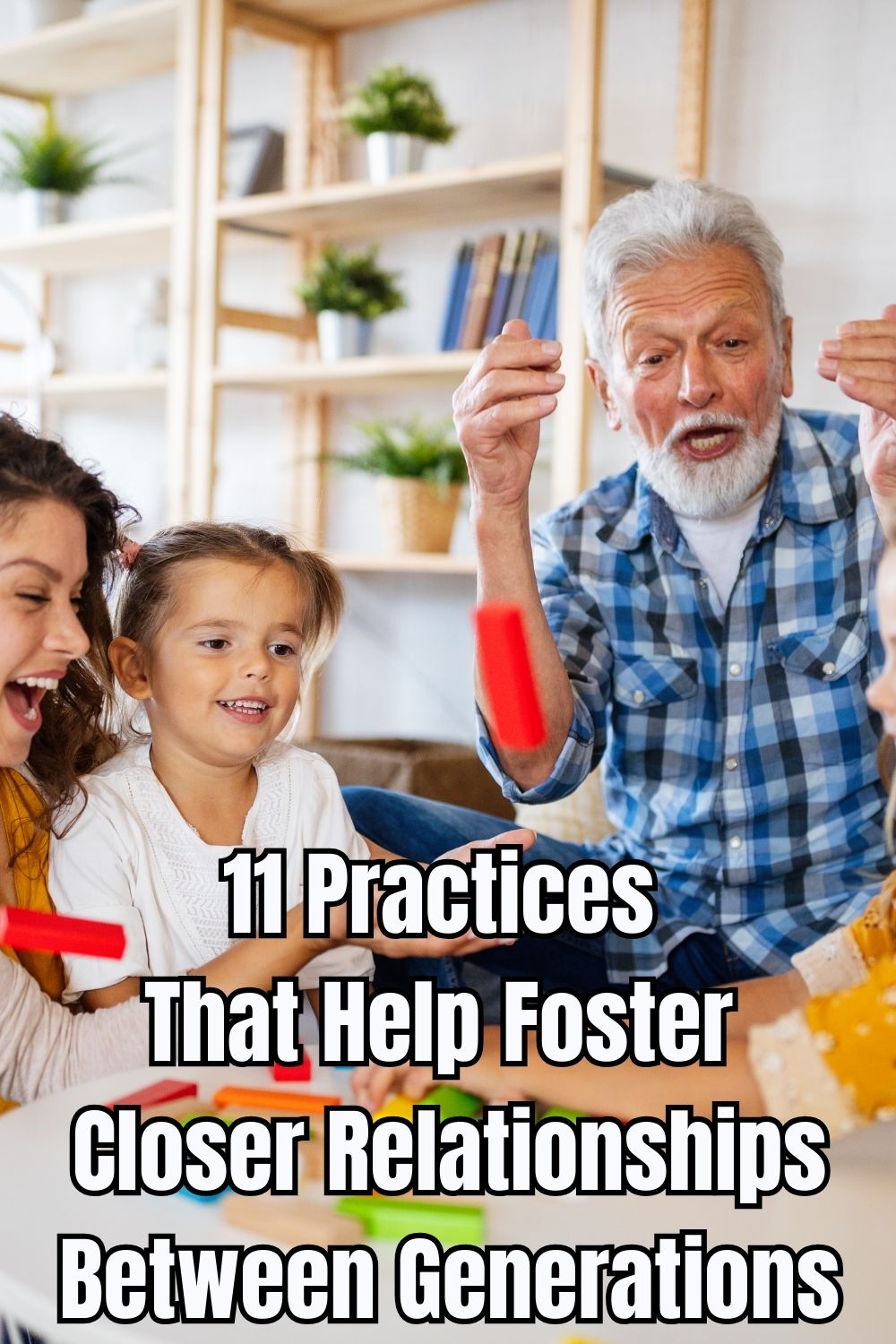
11 Practices That Help Foster Closer Relationships Between Generations
Families thrive when different ages learn from one another, share time, and make room for each person’s story. The goal is not to agree on everything but to understand what matters to each generation. These practices are simple to start, flexible to keep, and strong enough to carry through busy seasons.
Share Regular Meals
Eating together sets a gentle pace that invites conversation. Keep it short on weeknights and linger on weekends so the tradition feels doable.
- Rotate who chooses the menu or playlist
- Keep the table phone-free
- Use one question per meal to spark talk
- Invite quiet family members to choose the closing toast or takeaway
Start Weekly Coffee Chats
A short ritual beats a long talk that never happens. Choose a weekly 20-minute window to focus on improving family bonds, then add a simple check-in question. Treat it like you would a doctor’s appointment.
Pick one spot at home or a nearby cafe. Keep the same day and time so the habit sticks without extra planning. If a week gets busy, switch to a 10-minute phone call and return to the usual schedule next time.
End each chat with one small action. Write it on a sticky note so everyone sees the next step. Celebrate progress the following week and adjust what did not work.
Co-Teach Digital Skills
Every generation has something to teach. Teens can show camera tricks or group texting. Grandparents can share privacy habits and news sense.
Keep it playful so no one feels judged. Use a timer for short demos and swap roles each round. Save favorite tips on a shared note so they last.
Pair a tech skill with a life skill. Trade a lesson on photo storage for a family recipe or a budgeting tip. Equal exchange builds respect while skills grow on both sides.
Make Room For Grandfamilies
Many homes include grandparents and grandchildren under one roof. In some families, grandparents handle daily care. Clear plans help the setup work for everyone.
A recent U.S. Census Bureau brief noted that millions of adults live with their grandchildren and that roughly one-third take on primary caregiving. Name the role each person plays so jobs are not doubled or dropped. Post a simple chart that shows who does what on school nights and weekends.
Protect personal space even in a full house. Set quiet hours and a shared calendar. Agree on three house rules everyone can repeat.
Name The Feelings, Not Just The Facts
Feelings shape family dynamics, even when the talk sounds like it is only about chores or plans. Begin by asking how each person is doing before you jump to fixes. Slow the pace so quieter voices can enter and be heard.
Give everyone simple tools to name emotions. Use short I-statements like, I felt worried when the plan changed, and I need a quick text next time. Keep tone neutral so the focus stays on understanding, not blame.
Practice reflective listening to show you got it. First, repeat what you heard in plain words, then add one feeling word, and only then offer the next step. Small moments of being seen add up to trust over time.
Build Traditions You Can Carry
Traditions do not need to be grand to matter. Pick a small anchor you can keep in tight weeks, like Friday pancakes or a Sunday walk. The point is repetition over time, not perfection in the moment.
Design rituals that scale up or down. If time is short, keep the core and drop the extra steps so the habit survives. When energy returns, add back the music, the photos, or the longer version.
Let each generation own a piece so it feels shared. Kids can choose the playlist or the first toast, adults can handle setup, and elders can tell the story behind the ritual. Rotating roles keeps interest high and the tradition fresh.
Volunteer Across Ages
Serving together moves attention from personal differences to a shared goal. It also creates ready-made conversation starters that last beyond the event. Choose roles that match different abilities so everyone can help.
Start small and make it predictable. Pick one cause, one time, and one task, then put it on the calendar like any other plan. A monthly shift or seasonal project is enough to change the tone at home.
Close the loop with a short debrief. Take a quick photo, write one sentence about why it mattered to each person, and post it where everyone can see it. The story you build together becomes part of your family culture.
Plan Cross-Generational Play
Play is a shortcut to trust. Choose activities that are easy to learn, low on gear, and kind to different energy levels.
- Walk-and-talks or neighborhood photo hunts
- Board games with cooperative goals
- Family playlists with mini dance breaks
- Backyard projects like herb boxes or bird feeders
Create Story-Sharing Rituals
Stories turn facts into meaning across ages. Pick an easy cue, like dessert or a walk, and invite one short story each time. Keep it light so everyone feels safe to share.
Use prompts that jog memory. Try the first job, a time I felt brave, or the funniest family moment. Record audio on a phone so the memories last.
Rotate the storyteller so every voice gets a turn. Let people pass if they are not ready. Jot a few notes afterward to build a simple family archive.
Practice Two-Way Mentoring
Treat mentoring as a swap, not a ladder. Teens can teach shortcuts on photos or search, while adults model budgeting or time planning. Set one small goal for each partner.
Keep sessions short and practical. Share one tip, then practice it together for 10 minutes. End by naming where it will be used in the coming week.
Review progress at the next meet-up. Celebrate what worked and adjust what did not. The steady back and forth builds skill and respect.
Set Clear Boundaries For Shared Spaces
Different routines can clash under one roof. Name simple rules for noise, privacy, and chores so surprises are rare. Write them down where all can see.
Use a shared calendar to map busy hours. Add quiet times, study windows, and visiting plans. Color codes help kids and elders track changes quickly.
Create a repair plan for when boundaries break. Start with a quick check-in, agree on one fix, and choose a small make-it-right step. Clear resets keep the home calm and connected.
A strong family is not built in a weekend. It grows through short, steady practices that honor each person’s strengths. Start with one idea, keep it gentle, and let the wins add up until closeness feels like your family’s normal.
Leave A Reply!