Returning to work after medical leave can bring unexpected job changes. Discover how to address these issues effectively.
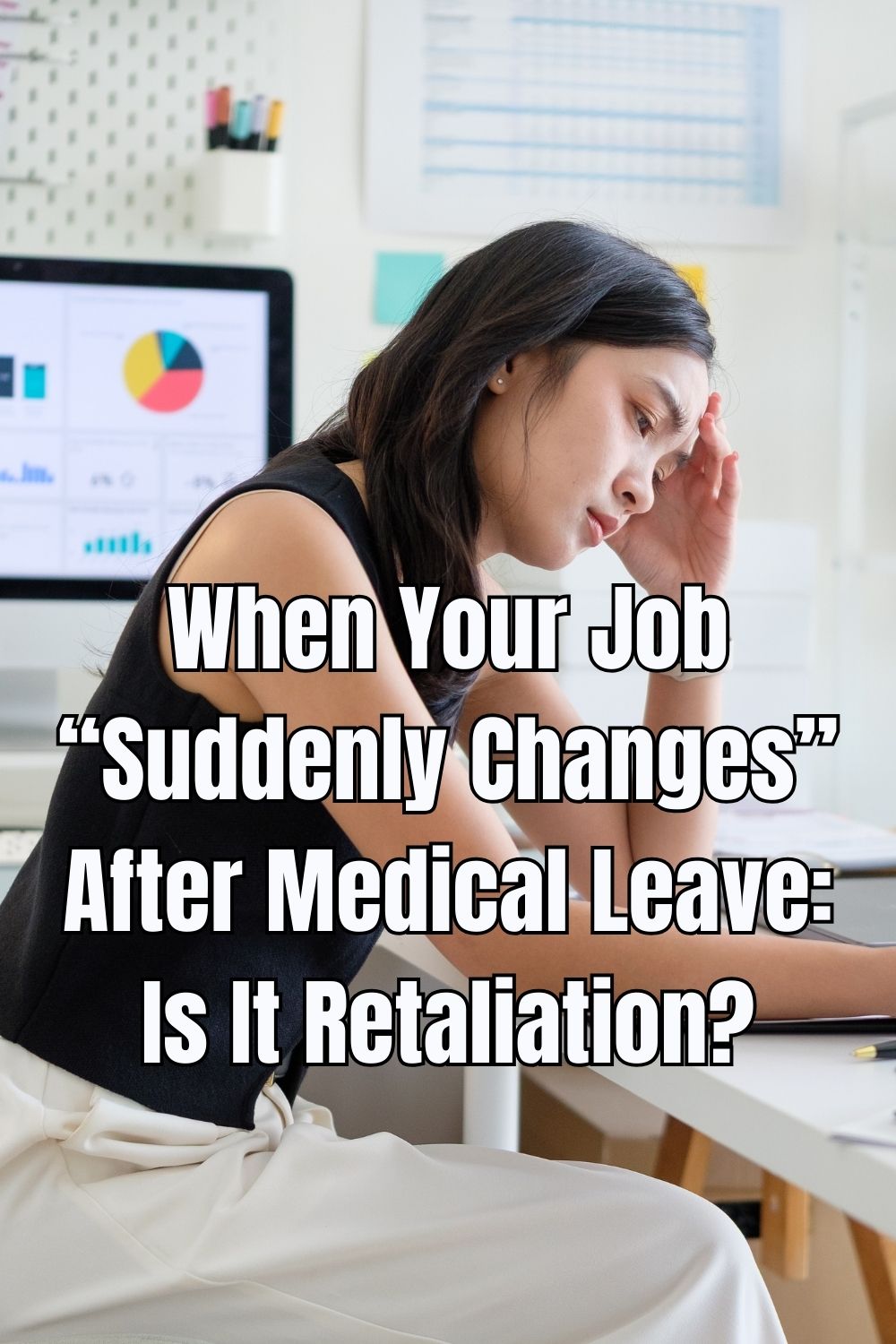
When Your Job “Suddenly Changes” After Medical Leave: Is It Retaliation?
Returning to work after medical leave should feel stable, but many employees find something is off. Job duties may change, schedules may worsen, and supervisors might seem less friendly. Employees might be left out of meetings, given unimportant tasks, or told their roles have been “restructured.” These changes can be subtle, making it hard to prove, but it’s clear the treatment has changed since the leave.
A job change after leave isn’t always illegal, as businesses and teams can evolve. The problem arises when employers use these changes to punish or quietly push out employees who took protected leave. Knowing what changes are acceptable and how to document them can help protect your rights. If you suspect retaliation, a Los Angeles FMLA retaliation attorney can help you assess the situation and decide on the next steps.
Why Sudden Job Changes After Leave Are So Common
Medical leave can disrupt workflows, and employers often reassign tasks while someone is out. The issue starts when those temporary changes become permanent—and the returning employee is treated as less valuable, less trusted, or less welcome.
Some managers also hold grudges. They may see leave as an inconvenience, doubt your commitment, or worry you’ll need time off again. Even when those attitudes aren’t spoken aloud, they can show up in how your job is shaped after you return.
The Key Question: Did You Return to the Same or “Equivalent” Role?
Under FMLA, eligible employees are typically entitled to return to the same job or an equivalent position. “Equivalent” generally means similar pay, benefits, schedule, status, duties, and opportunity for advancement—not a role that looks the same on paper but feels like a downgrade in reality.
A job can be “technically” similar while still harming your career. Losing leadership tasks, client relationships, premium shifts, or high-visibility projects can reduce long-term income and promotion potential.
Red Flag Change: Your Duties Shrink or Become Lower-Value
A common post-leave retaliation pattern is being given less meaningful work. You may be removed from the projects you built, replaced as lead, or reassigned to administrative tasks that don’t match your skill level. Employers may say, “We had to move forward,” but that explanation doesn’t always justify permanently sidelining you.
This type of change can also set you up for later discipline: if you’re no longer doing the work you’re best at, your performance may slip, giving the employer an excuse to claim you’re “not meeting expectations.”
Red Flag Change: You Lose Schedule Quality, Hours, or Flexibility
A worse schedule is one of the most common forms of retaliation because it’s easy to disguise as “staffing needs.” You may be moved to nights or weekends, assigned split shifts, lose remote work privileges, or lose predictable hours.
For hourly workers, reduced hours can be especially damaging. It can quietly cut your income and pressure you to quit. Compare your schedule before and after leave and note whether others were treated similarly.
Red Flag Change: “Performance Issues” Appear Out of Nowhere
Another frequent sign is sudden criticism. Employees who had solid reviews may return to write-ups, negative feedback, or micromanagement. Small mistakes may be treated like major incidents. Expectations may shift without training or notice.
Employers often build a paper trail after leave to justify termination later. If you see this happening, save old reviews, praise emails, and metrics that show your earlier performance.
Red Flag Change: You’re Excluded From Meetings and Information
Exclusion is a powerful tool because it affects performance and visibility. You may be left off meeting invites, removed from group chats, or stopped from receiving key updates. Sometimes it’s framed as “we didn’t want to overwhelm you,” but the result is the same—you’re cut out of the workflow.
If you’re being excluded, document what meetings you used to attend and what information you’re no longer receiving. If the exclusion makes it harder to perform, that’s important too.
Red Flag Change: You Lose Accounts, Territory, or Incentive Opportunities
In sales or commission roles, post-leave retaliation may show up as losing high-value accounts, being moved to a weaker territory, or losing access to leads. Even if your base salary stays the same, your earning power can drop sharply.
Track the numbers. Compare your pipeline before leave to what you were given after return. If the employer “redistributed” accounts during leave but never restored equivalent value, the change can matter.
Legitimate Changes vs. Retaliation: How to Tell the Difference
Not every post-leave change is retaliation. A legitimate change is more likely when:
- The employer can show the change was planned before your leave
- Multiple employees were affected similarly
- Your pay, status, and opportunity stayed truly equivalent
- The employer communicated changes clearly and consistently
- The changes make business sense and aren’t punitive
Retaliation is more likely when:
- The change starts immediately after your return
- You’re the only one affected
- The change feels like a downgrade in duties or status
- The employer’s explanation keeps shifting
- The change is followed by increased discipline or pressure to quit
Timing, consistency, and comparative treatment often reveal the difference.
How to Document “Sudden Changes” the Right Way
If you suspect retaliation, a clean record can protect you. Focus on objective details:
- Your job description, responsibilities, and schedule before leave
- What changed on return (duties, hours, accounts, reporting structure)
- Emails or written announcements showing reassignment decisions
- Meeting invites or project lists showing exclusion
- Performance reviews before leave and after return
- Any comments about your leave or reliability
If possible, request clarification in writing when your duties change. This helps create a paper trail and reduces the chance the employer can later claim you “agreed” to the changes.
What Not to Do: Emotional Confrontations and Guessing
It’s normal to feel angry, but emotional confrontation can be used against you. Avoid accusing people in heated conversations or sending messages you may later regret. Also avoid guessing or exaggerating when describing changes.
Stick to facts: what changed, when it changed, and how it affects your job. Calm, factual communication can strengthen credibility and protect you if the situation escalates.
A Sudden Job Change After Leave Can Be a Warning Sign
Returning from medical leave should not hurt your career. Sudden changes in your duties, schedule, status, or opportunities—especially if accompanied by criticism—may indicate retaliation.
If your role changed after your leave, take note. Document the differences, stay professional, and keep a timeline. If you can show your leave caused the change, you may have options to challenge the retaliation.
Leave A Reply!